
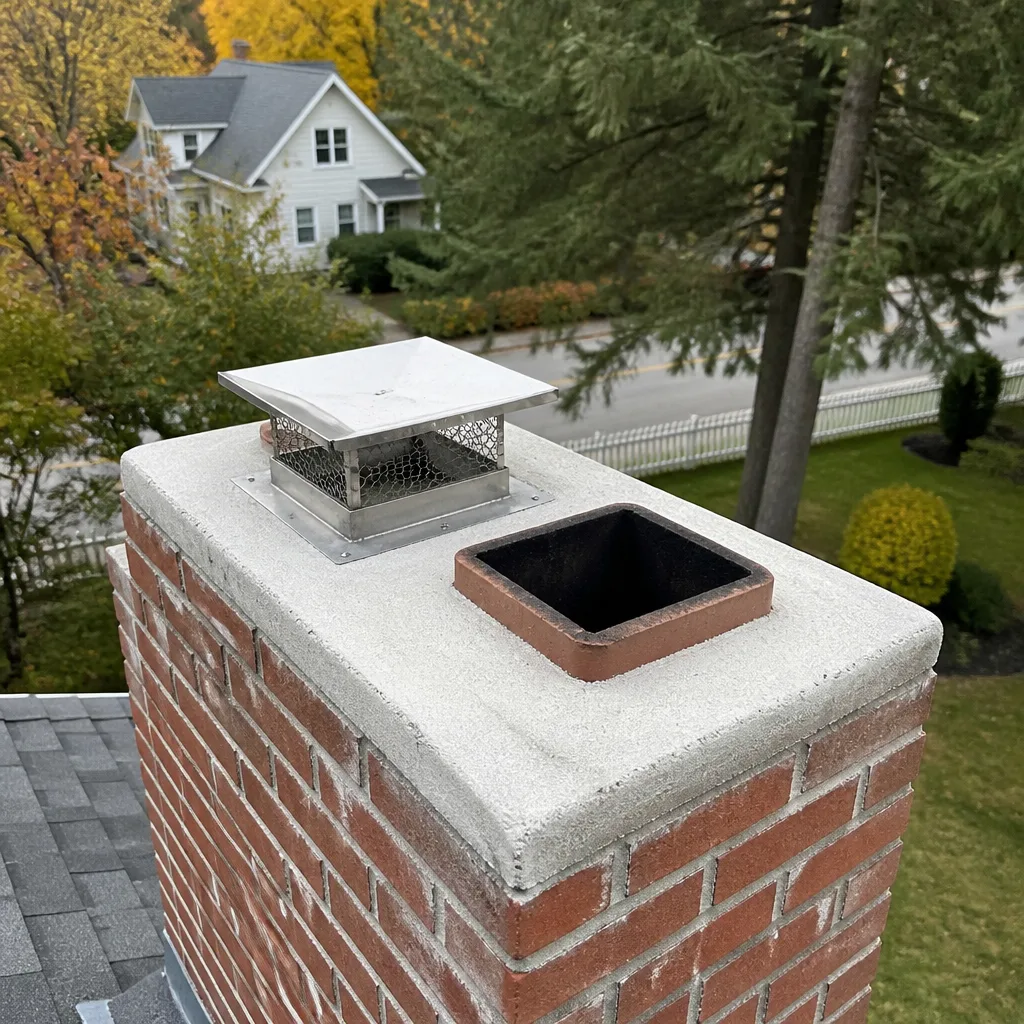
 Sweep & inspection
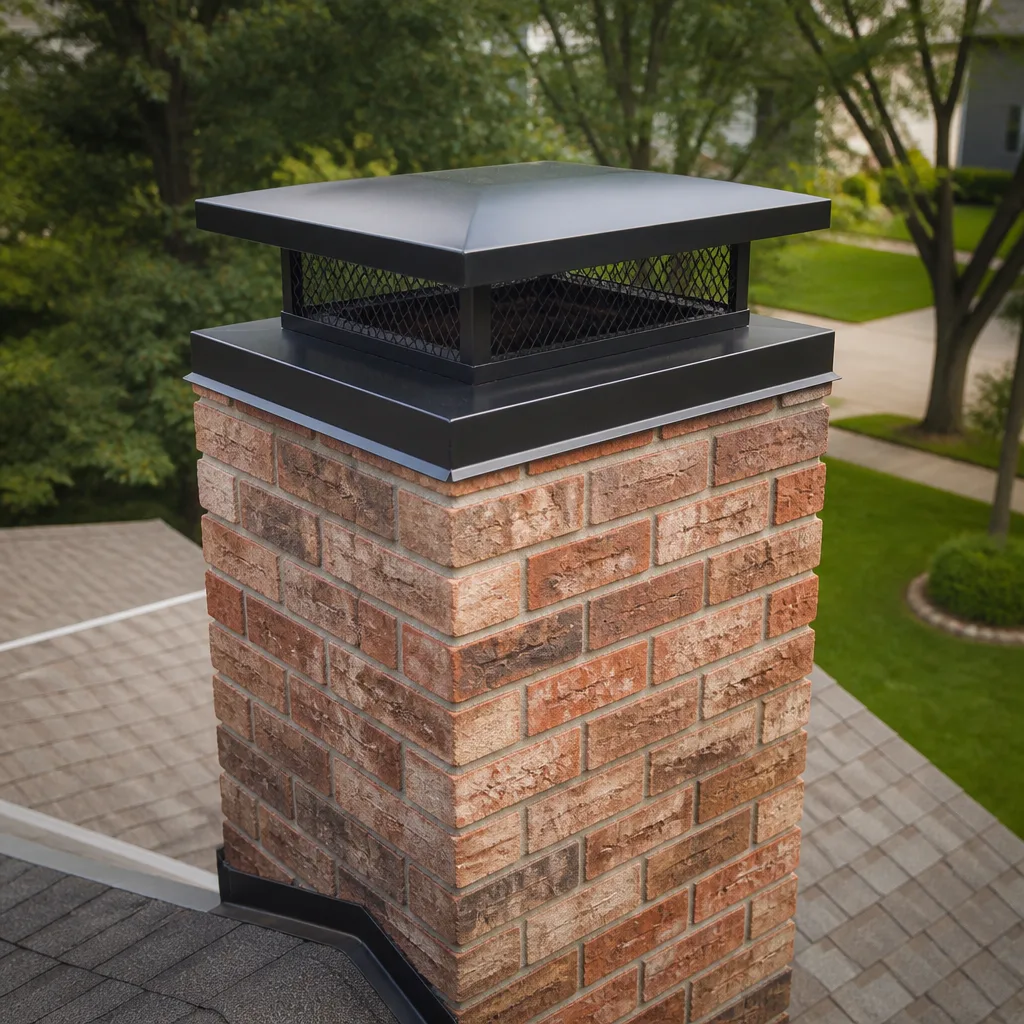 Caps & crowns
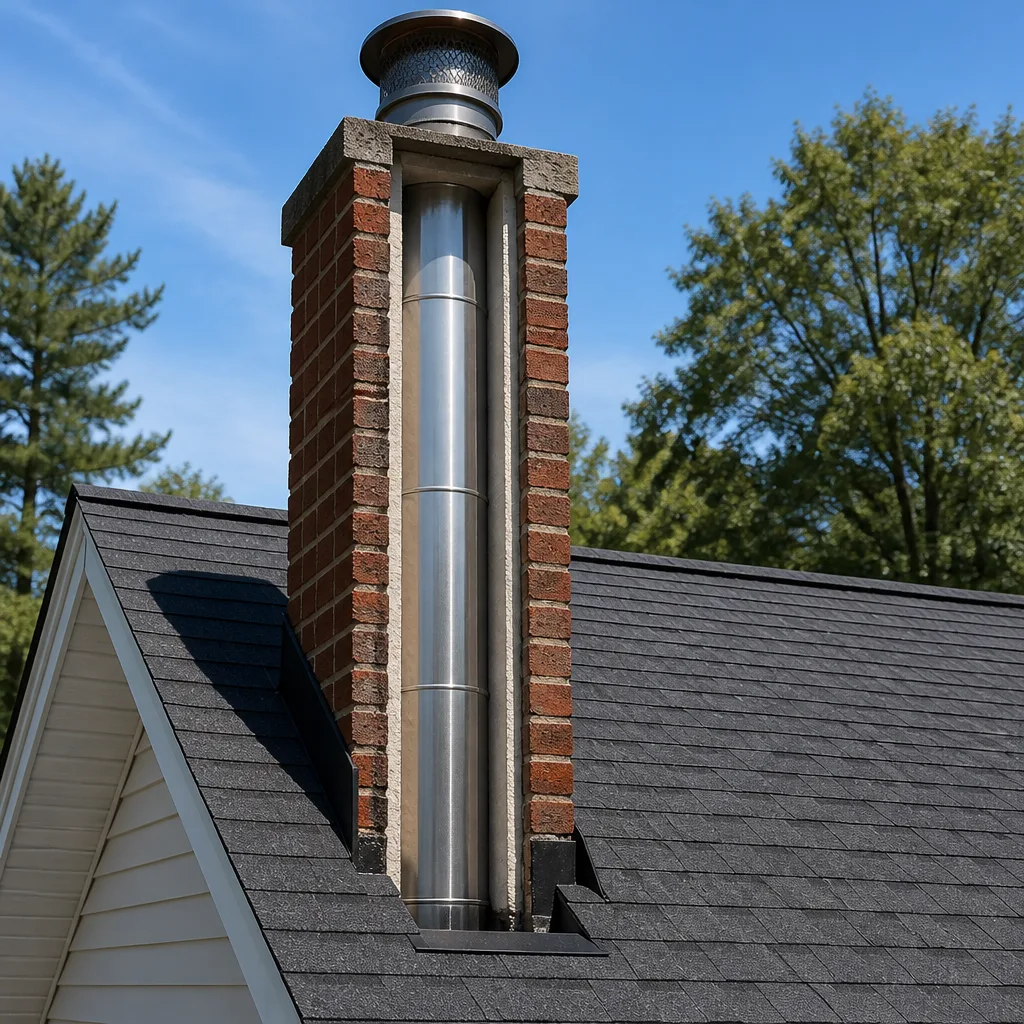 Flue relining
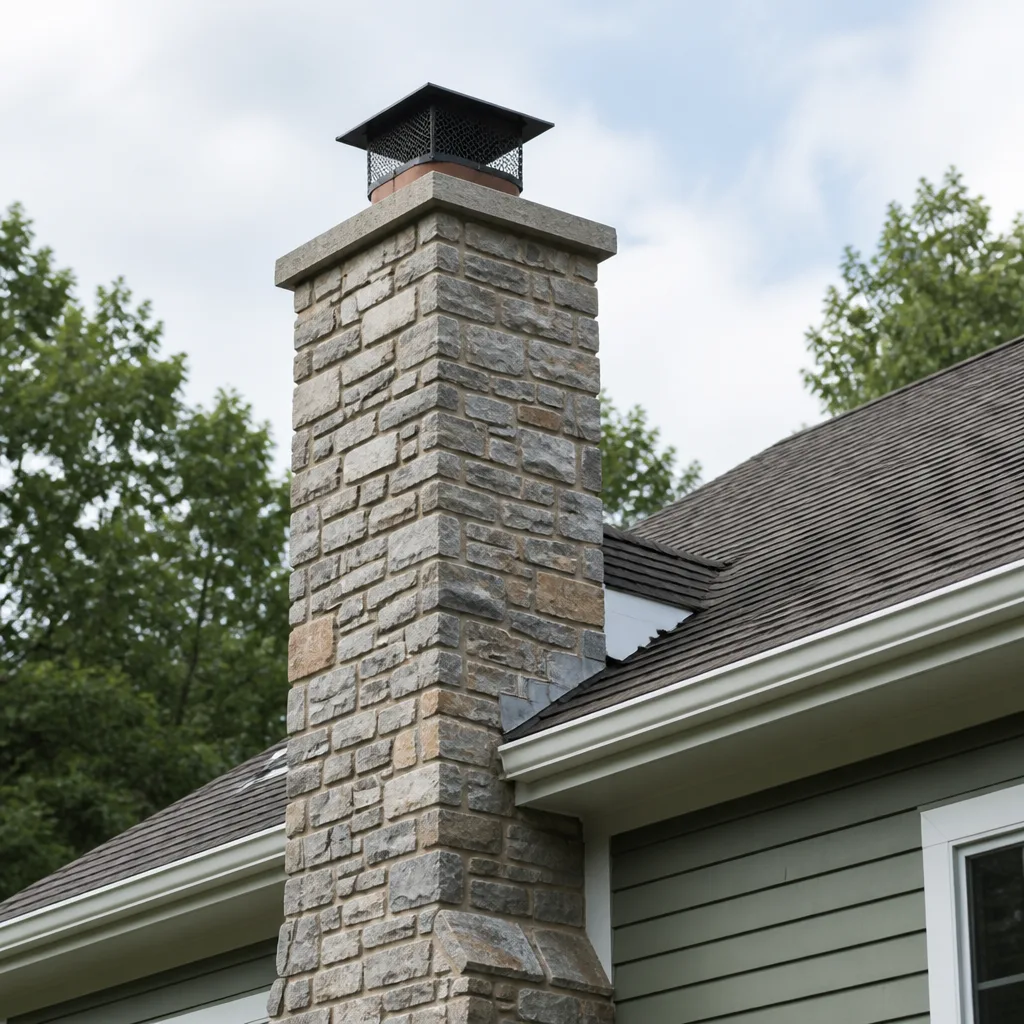 Masonry repair
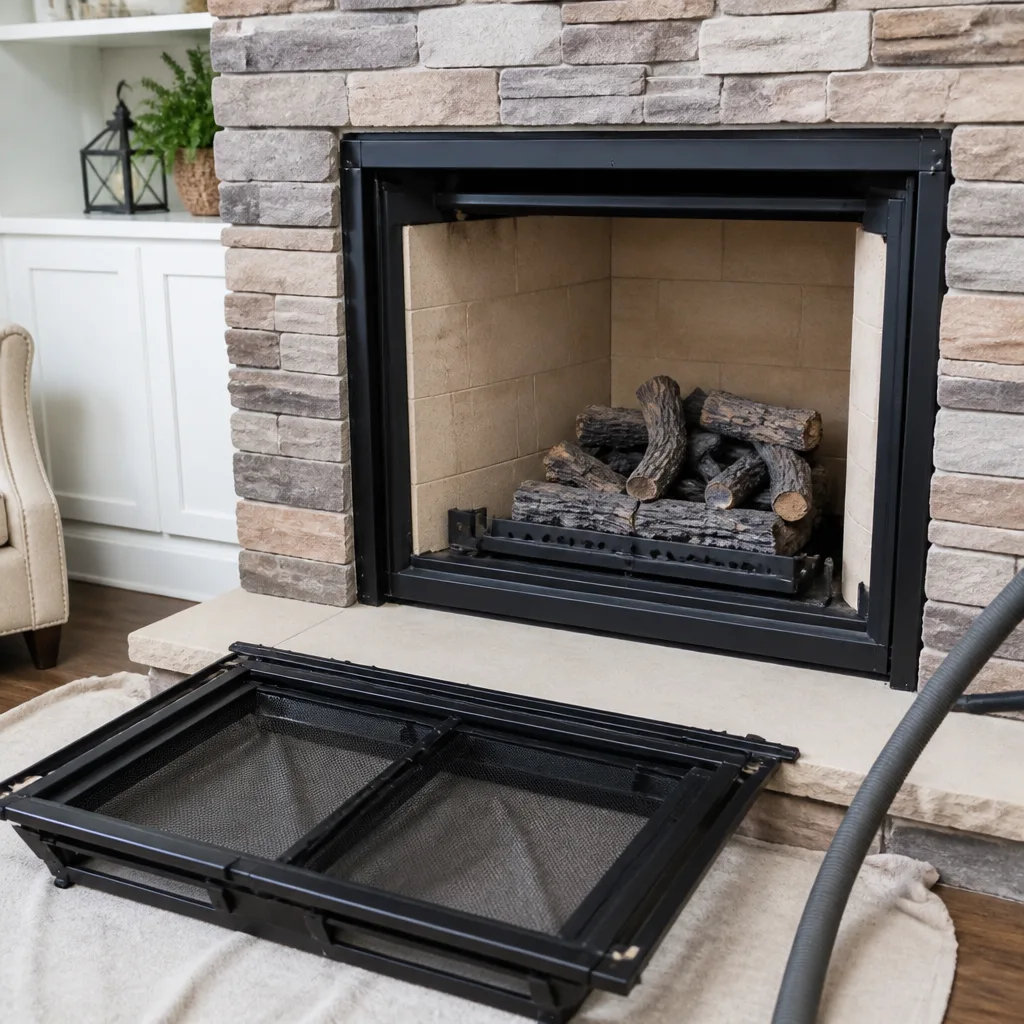 Gas fireplace service
Level 1 sweep and inspection to the NFPA 211 annual standard - flue, crown, cap, and flashing checked and photographed
Chimney sweep logs do not sweep chimneys. They loosen some creosote - which then falls where a brush and vacuum still have to collect it.
Styles & brands we work with
See the difference
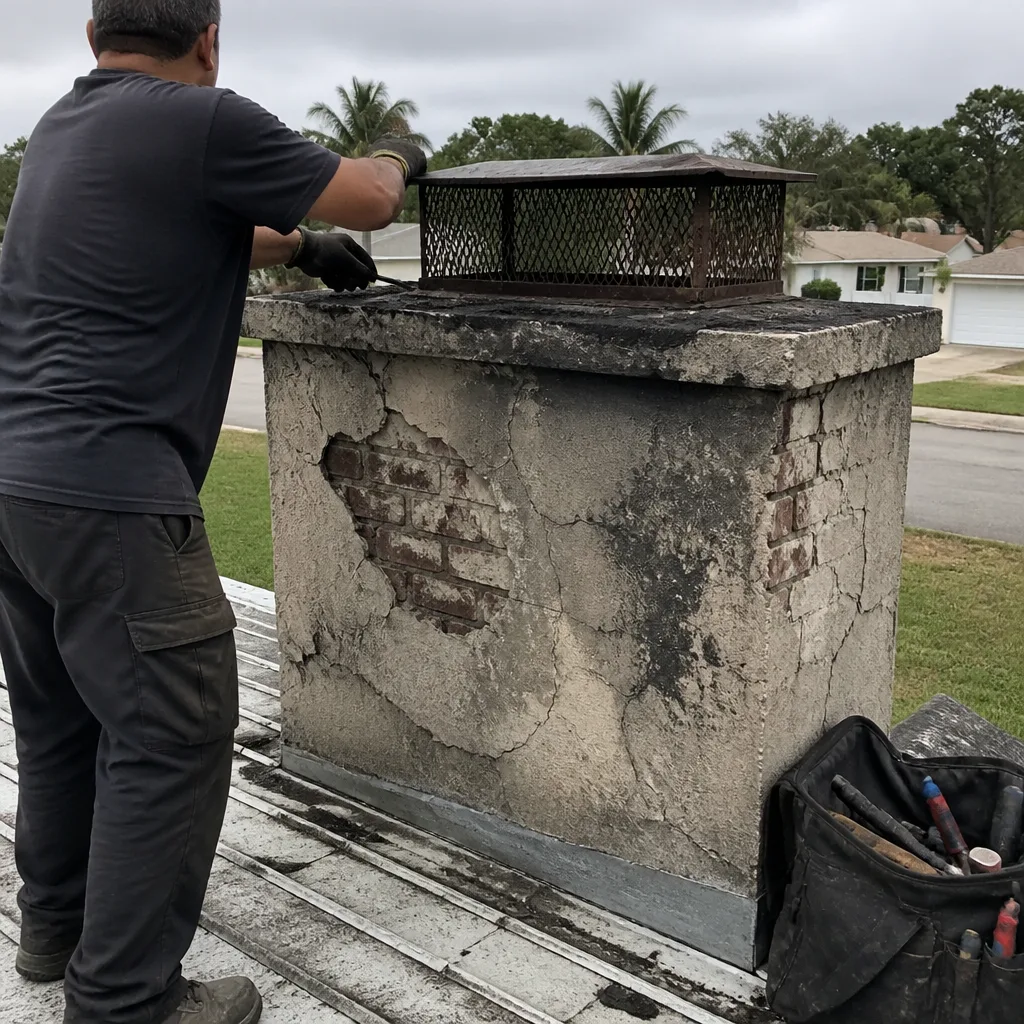 Before
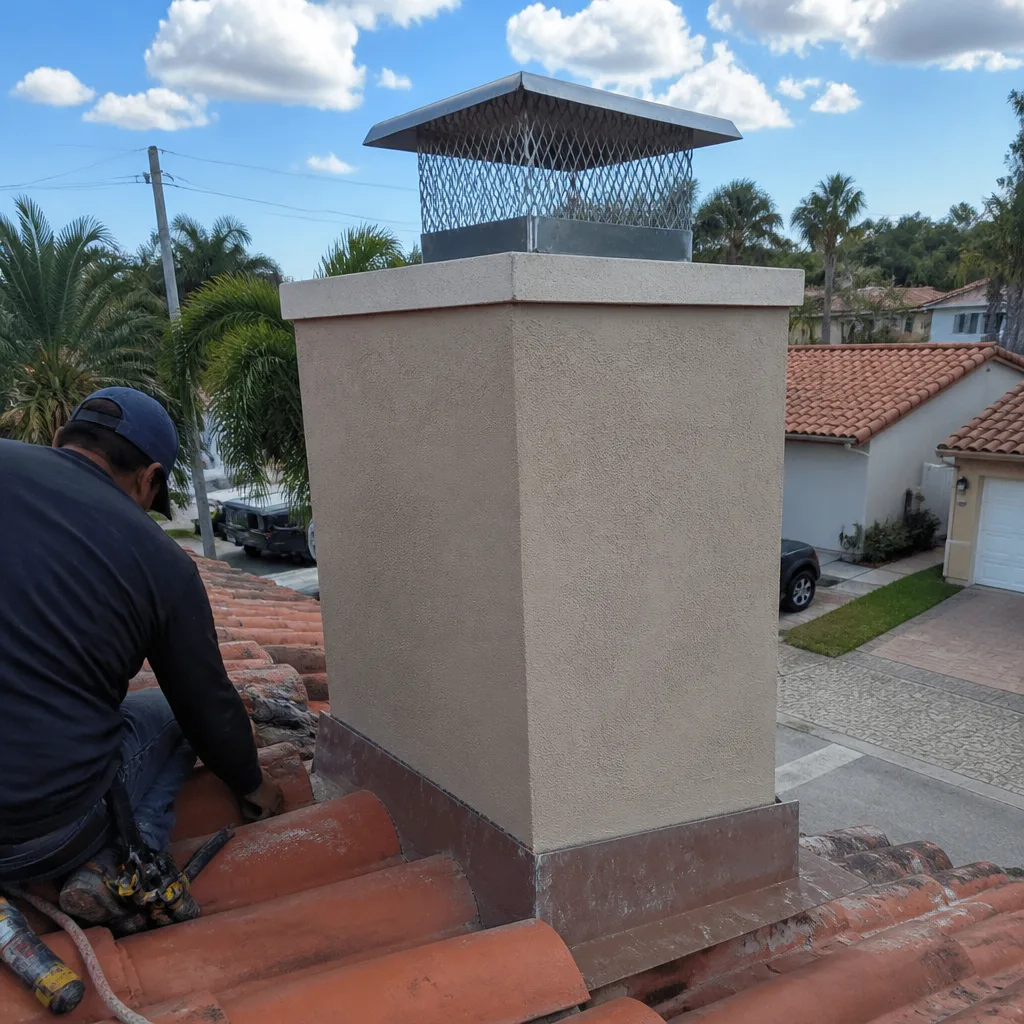 After
After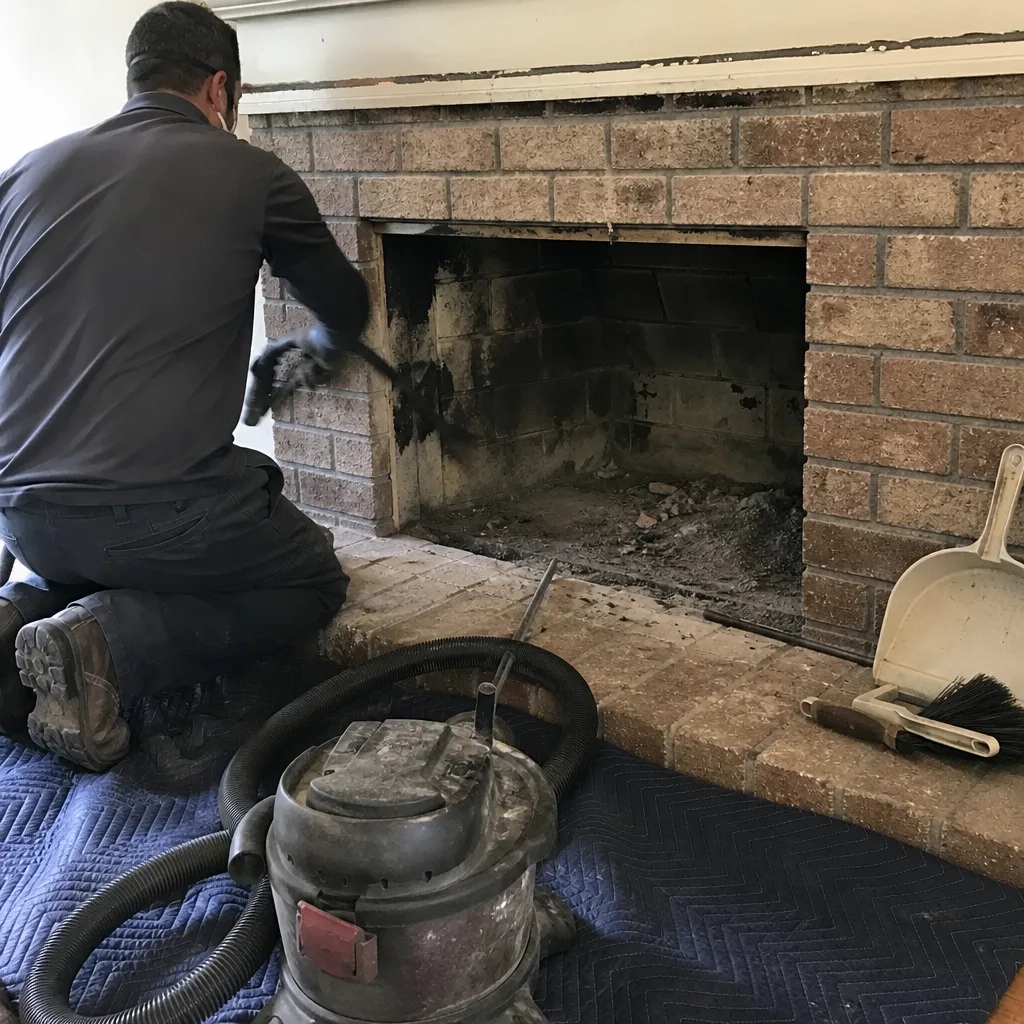 Before
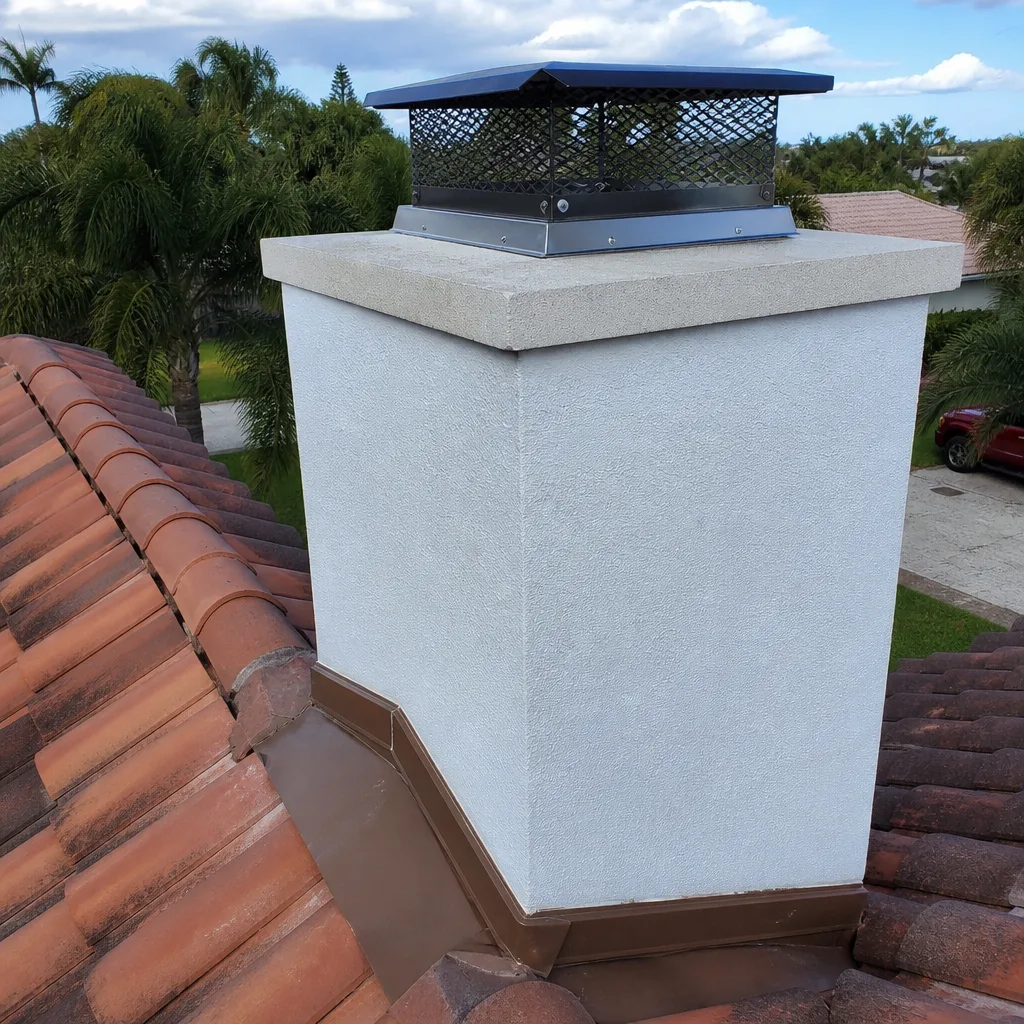 After
After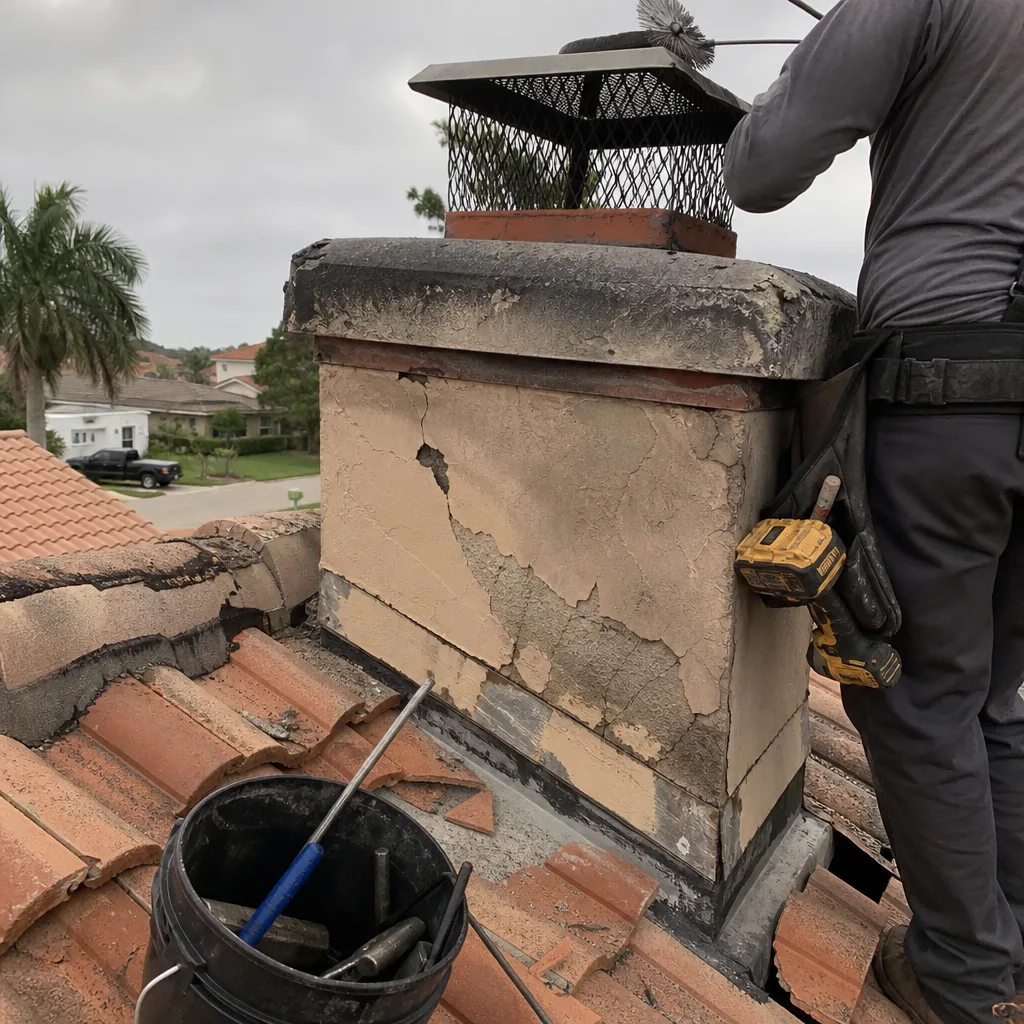 Before
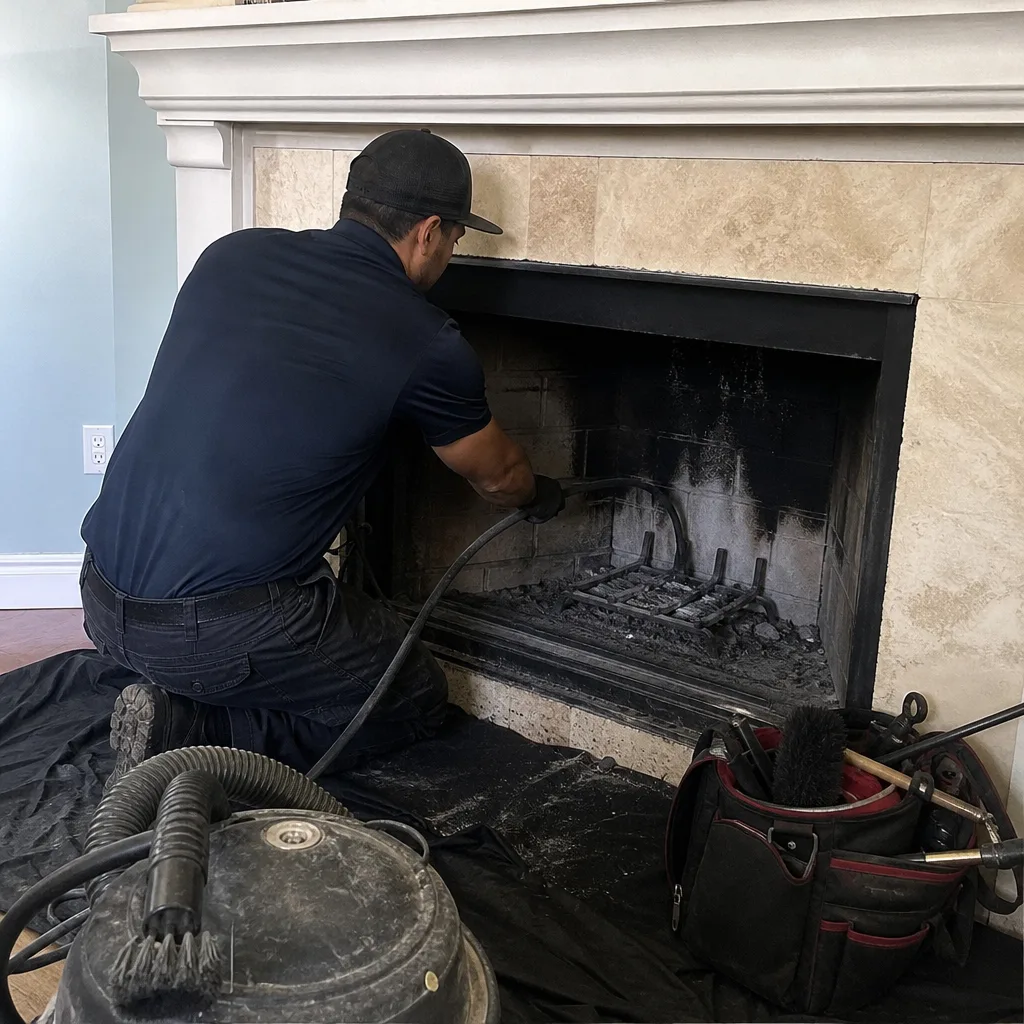 After
AfterCreosote Removal in West Palm Beach, FL
Creosote removal in West Palm Beach typically costs between $180 and $450 for a standard chimney cleaning that includes creosote removal, with heavier buildup or glaze-stage creosote running higher. Most homeowners in our area need this service every year, especially if they burn wood during the cooler months. At Alcott Chimney West Palm Beach, we handle creosote removal as part of a full Chimney Cleaning & Sweep service, because the two go hand in hand: you can’t properly clean a chimney without removing the creosote inside it.
Call (728) 203-8687 for a free estimate. We’ll give you a written price before any work starts, so you’ll know exactly what creosote removal costs before we lift a brush.
If you’re noticing a sharp, campfire-like smell in your living room, thick black soot building up faster than usual, or you can see a dark, tar-like coating inside your flue when you look up from the fireplace, you’re dealing with creosote. And in South Florida, where humidity and salt air are part of daily life, creosote can behave differently than it does in drier climates. It gets sticky. It traps moisture. It lingers. Removing it properly takes the right tools and someone who knows what three stages of creosote look like, because each one requires a different approach.
Ruben Castellano has been running chimney work in West Palm Beach since 2002. He and his technicians have removed creosote from thousands of fireplaces across Palm Beach County, from the historic homes in El Cid and Flamingo Park to the newer builds in Ibis and RiverWalk. The point is simple: creosote removal isn’t a one-size-fits-all job. It’s a service that has to match the fireplace, the burn habits of the household, and the specific way creosote forms in this climate.
When You Need Creosote Removal
Creosote builds every time you burn wood. It’s the byproduct of incomplete combustion: smoke cools as it rises through the flue, and the particles in that smoke condense on the chimney walls. Burn enough wood and you get layers. Those layers range from flaky and brushable to a hard, glassy glaze that can’t be removed with a standard wire brush. Here’s when you should pick up the phone.
- A strong smell like a campfire that won’t leave the room. In West Palm Beach’s humidity, creosote absorbs moisture and releases odor even when the fireplace isn’t in use. If the smell is stronger on humid days, that’s a sign there’s a creosote film coating the flue.
- You can hear or see black flakes falling into the firebox. This is stage-one creosote shedding from the flue walls. It brushes out easily, but if left alone it becomes stage two: a thicker, tar-like layer that hardens into a crust.
- White or gray smoke spilling back into the room instead of drawing up. This often means the flue opening has narrowed because of creosote buildup, which slows the draft. It can also point to an obstruction on top of the creosote, like a bird nest or storm debris.
- You haven’t had the chimney cleaned in two years or more, and you burn wood seasonally. Even if you only burn between December and February, a year of South Florida humidity on top of last season’s residue creates a sticky, gummy creosote that clings harder than dry flake.
- There’s a visible black, glossy surface inside the flue when you shine a flashlight up. That’s stage-three creosote, often called glaze creosote. It’s the most dangerous form, and it can’t be removed with a standard brush. You need chemical treatments or mechanical removal tools designed specifically for glaze.
- Homes near the coast, like those in Lake Clarke Shores or along the Intracoastal, often see accelerated creosote problems, because the air carries salt and moisture that mix with creosote and accelerate its hardening.
One thing we want to be straight about: creosote is the leading cause of chimney fires. It’s combustible. It ignites at around 451 degrees Fahrenheit, and a hot fire with good airflow can reach four times that. If you suspect heavy creosote, don’t try to burn it off with a hot, roaring fire. That is exactly how chimney fires start. And a chimney fire in a wood-frame Florida home can spread into the attic quickly. Have a trained professional remove it. No exceptions.
Our Creosote Removal Process
When you call us, a live person answers. Always. That person is not a call center. It’s our team in West Palm Beach, and they’ll take your information, talk through what you’re seeing, and schedule a visit. You’ll get the technician’s name and photo before we arrive, and when that technician steps onto your property, they’ll show you a photo ID badge at the door. That’s our standard, not an upgrade. Here’s how the job itself goes.
- Before anything, we look. The technician starts with a visual inspection of the firebox and the first few feet of the flue, then uses a chimney camera to see the full length. This tells us what stage of creosote we’re dealing with, whether there’s an obstruction, and whether the flue liner is intact. That information shapes the rest of the job.
- We stage the work area. Creosote is nasty stuff: sticky, powdery, and it stains. We lay drop cloths and run a high-powered HEPA vacuum to create negative air pressure in the firebox, which keeps the dust out of your living room. You should not see a black haze floating through your house during or after the job.
- We choose the right removal method for the creosote stage. Stage one and two creosote come out with rotary brushes: wire or poly, sized to the flue, run from a drill at the top or bottom. Stage-three glaze requires a more aggressive mechanical approach, often with chains or a specialized whip head, combined with a chemical treatment that breaks down the glaze so it can be removed. We use professional-grade products, not box-store substitutes. Depending on the flue, that can mean treatments we trust, like Gelco or Copperfield ACS, which are the same products chimney professionals specify.
- We remove the creosote completely, then clean the firebox and smoke chamber. The smoke chamber above the damper is where a lot of creosote hides, and one of the most common places a quick-and-cheap cleaning skips. We don’t skip it.
- We run the camera again. This is the part most companies don’t do. After the brush work is finished, we send the camera back up to document what the flue looks like clean. You’ll see the before-and-after with your own eyes, not just our word for it. If we find damage like a cracked liner tile or a rusted damper, we’ll show you that too, and we’ll give you a written price for the repair before any additional work begins. No surprises.
- We close out with a written guarantee. Every creosote removal job comes with our 365-Day Done Right Promise. If anything isn’t right, we make it right. If a related repair we made fails within the coverage period, the second visit is free. That’s in writing, every time.
This is straightforward work when it’s done correctly, which is why we can write the process down step by step. The technician who arrives at your door is background-checked and identity-verified before they ever set foot on your property. We call it the Threshold Standard, and it’s not optional. You’ll know exactly who is coming, and that person will match the name and photo we sent you.
Creosote Removal Pricing in West Palm Beach
Here’s the honest range. A standard chimney sweep with creosote removal in West Palm Beach runs between $180 and $300 for a single flue with light to moderate buildup. If you’ve got a second flue, add $75 to $125. Heavier stage-two buildup, which requires more time and more aggressive brushing, typically lands between $300 and $450. Stage-three glaze creosote, which requires chemical treatment and mechanical removal, runs $450 to $800 depending on the flue length and severity. If the creosote has caused damage to the liner or damper, those repairs are priced separately, and we quote them in writing before anything happens.
| Service | Typical Price Range in West Palm Beach |
|---|---|
| Standard chimney sweep with creosote removal (1 flue) | $180 – $300 |
| Heavy stage-two creosote removal | $300 – $450 |
| Stage-three glaze creosote removal (chemical + mechanical) | $450 – $800 |
| Additional flue (same visit) | $75 – $125 |
| Chimney camera inspection | $75 – $150 (often included with sweep) |
What affects your price: the number of flues, the stage of creosote we find during inspection, the flue length and accessibility from your roof, and whether your chimney cap needs replacement. In neighborhoods like Sunshine Park or Garden Beach, where chimney heights and roof pitches vary widely from lot to lot, those factors shift the labor time significantly. A two-story colonial in Old Northwood is a different job than a single-story ranch in Westgate.
Here’s what you won’t get at the end: a surprise line item. Every job gets a written price before the work starts. That price includes the labor, the materials, and the disposal. If we find something during the job that requires a change, we stop, show you what we found, and get your approval in writing before we continue. Nobody has ever paid a dollar to Alcott Chimney West Palm Beach that they didn’t agree to ahead of time. That’s how Ruben has run things since 2002.
Call (728) 203-8687 for a free estimate. A live person answers, around the clock, even at 11 p.m. when you smell smoke and don’t know where it’s coming from.
How Often Should You Schedule Creosote Removal in South Florida?
The National Fire Protection Association recommends a chimney inspection at least once a year, and a cleaning whenever creosote buildup reaches one-eighth of an inch. For most West Palm Beach wood-burning households, that means an annual sweep before the winter burn season. The months when we actually burn in Florida are short, but the humidity works against you the rest of the year. Creosote left over from a February fire is still sitting in the flue in August, absorbing moisture, getting stickier, and releasing odor into the house. Every summer month that passes makes it harder to remove.
If you have a gas fireplace, you don’t have the same creosote concern, but that’s a different topic. What you do need to know is that if you ever used the fireplace as a wood-burning appliance at some point in the house’s history, the flue may still carry residue from those years. A camera inspection tells you for sure, and we include it with most sweeps so you’re not guessing.
Why Choose Alcott Chimney West Palm Beach for Creosote Removal
There are companies in Palm Beach County that will clean your chimney for a lower price than we charge. Some of them do good work. The difference with Alcott is that you can verify our people and our promises before the work starts. Every technician is background-checked and identity-verified, and you get their name and photo before the visit. They show a photo ID at the door. That’s a Threshold Standard requirement, and it matters just as much when you’re a parent with young kids, or you work from home alone, or you’re an older homeowner who has every right to be careful about who walks through the door.
Then there’s the 365-Day Done Right Promise. It’s a written guarantee on every repair we make. If the repair fails within 365 days, the second visit is free. That’s not marketing language, it’s the actual coverage. We also carry and install professional trade brands like DuraFlex and Famco, the same materials chimney professionals specify across the country. When your chimney needs more than a cleaning, those are the products we use, and they’re warrantied by the manufacturers as well.
At the end of the job, you’ll have a clean flue, a written record of what we did, and a guarantee that stands for a full year. No vague promises. No “trust us” without a way to verify. That’s how Ruben Castellano has run this company for more than two decades, and that’s how it’ll be for the next one.
FAQs – Creosote Removal
Is it cheaper to remove creosote myself?
No, and in most cases it’s not safer either. A basic chimney brush kit costs between $40 and $80, but stage-two and stage-three creosote won’t come off with a brush alone, and you’ll be working from a ladder or roof without the training to spot liner damage. Plus, creosote is a respiratory irritant and a skin irritant. When a professional removes it in West Palm Beach, the cost includes proper containment, disposal, and a camera verification that the flue is actually clean, not just brushed.
Call (728) 203-8687 and we’ll give you a written quote, so you can compare the real number before deciding.
How much does creosote removal cost in West Palm Beach?
Most West Palm Beach homeowners pay between $180 and $450 for creosote removal depending on the stage of buildup and the number of flues. This includes the full sweep: firebox, smoke chamber, flue, and the camera check afterward. If you’re dealing with stage-three glaze, you’ll likely be in the $450 to $800 range because it takes chemical treatment and specialized tools to break down that hard, glassy coating.
For an exact quote, call (728) 203-8687. Estimates are free, and the price we quote is the price you pay. Written, before work starts.
Can you remove creosote the same day?
In most cases, yes. We keep our scheduling tight enough that standard creosote removal can happen same-day or next-day, especially during the fall and winter in West Palm Beach. If you have urgent smoke problems or a heavy creosote situation that feels dangerous, tell the person on the phone and we’ll make that call a priority. Live person answers, every time.
Will creosote removal make my house smell better?
Yes. The sharp, smoky odor that hangs in a room with a fireplace is almost always creosote, especially in West Palm Beach’s humid air. Once the creosote is removed, that smell goes with it. Some fireplace odors come from outside air pulling down the flue, which a good chimney cap can fix, and we’ll check for that during the same visit. If there’s a lingering odor from moisture in the masonry, we’ll tell you exactly what’s causing it and what it takes to solve it.
Written by Ruben Castellano, Owner at Alcott Chimney West Palm Beach, serving West Palm Beach since 2002.