
Last updated October 15, 2026
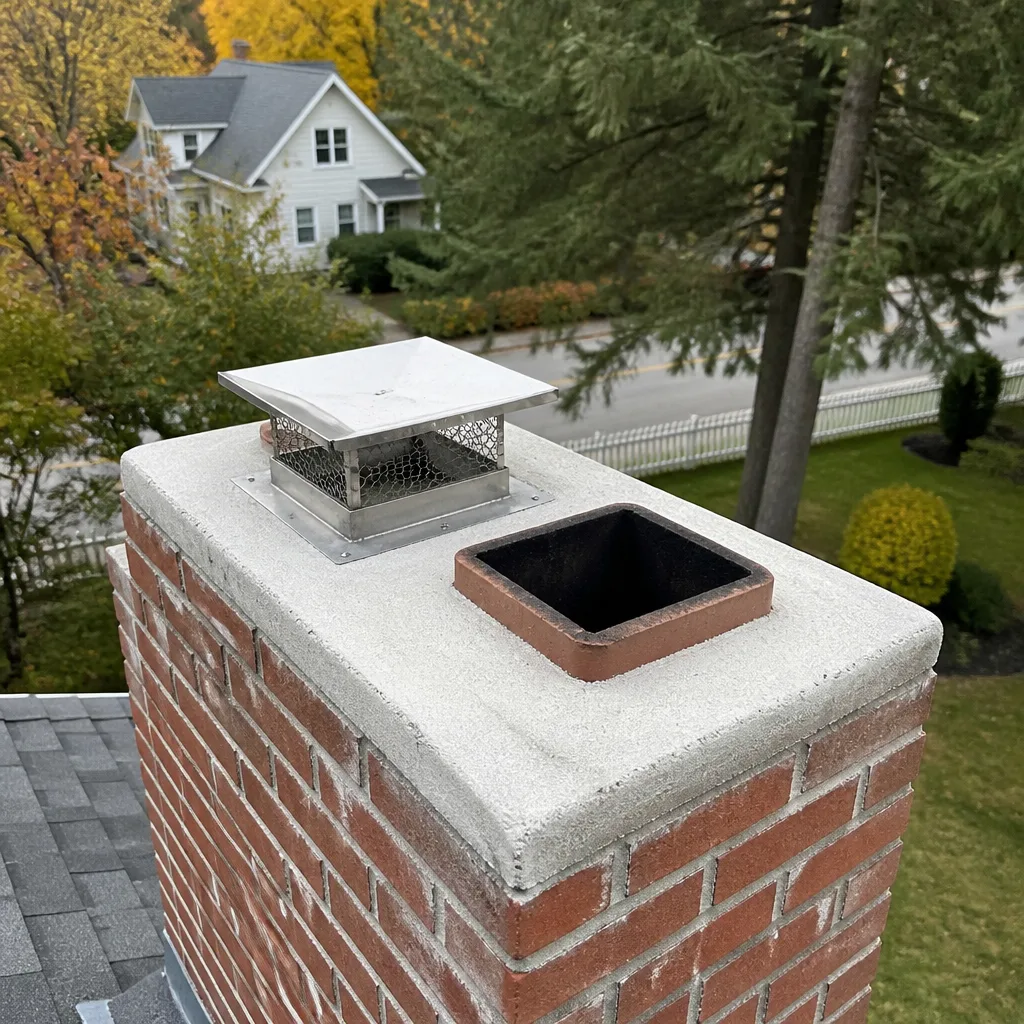 Sweep & inspection
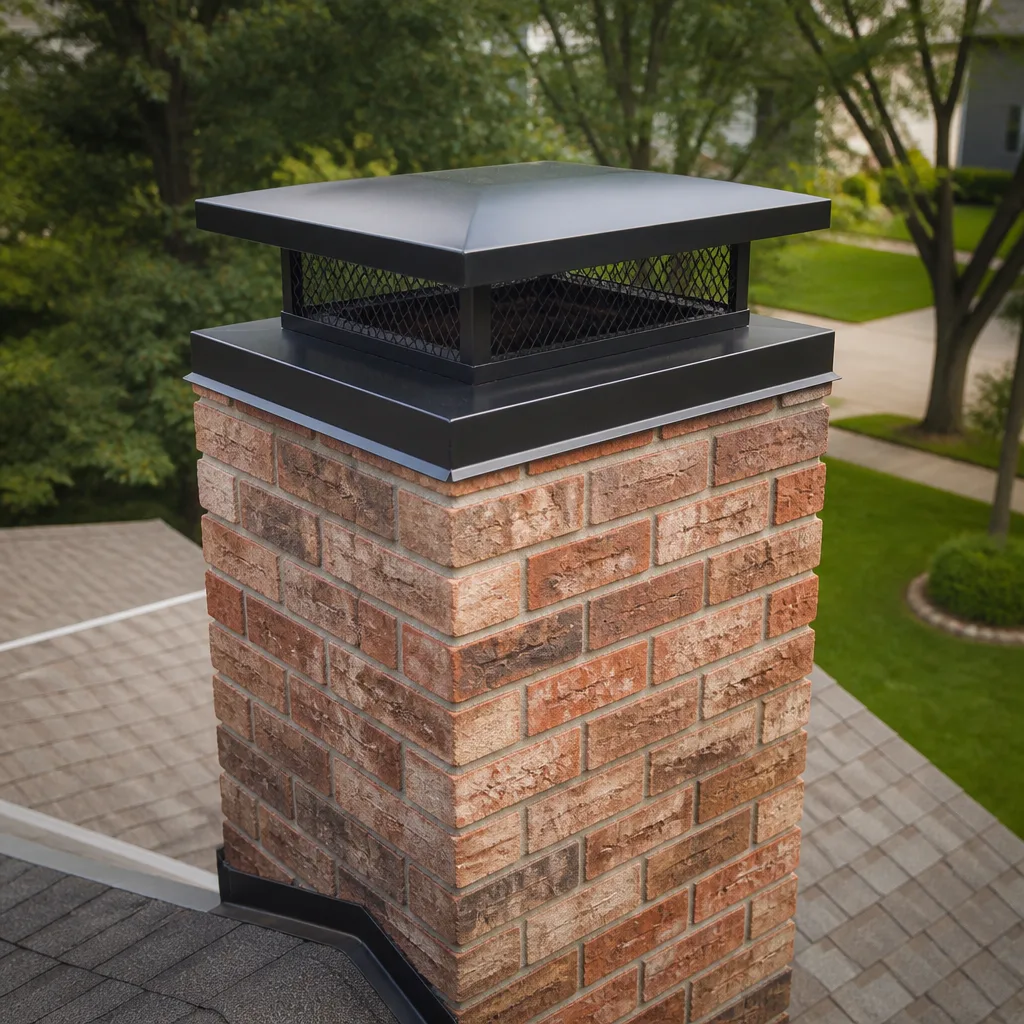 Caps & crowns
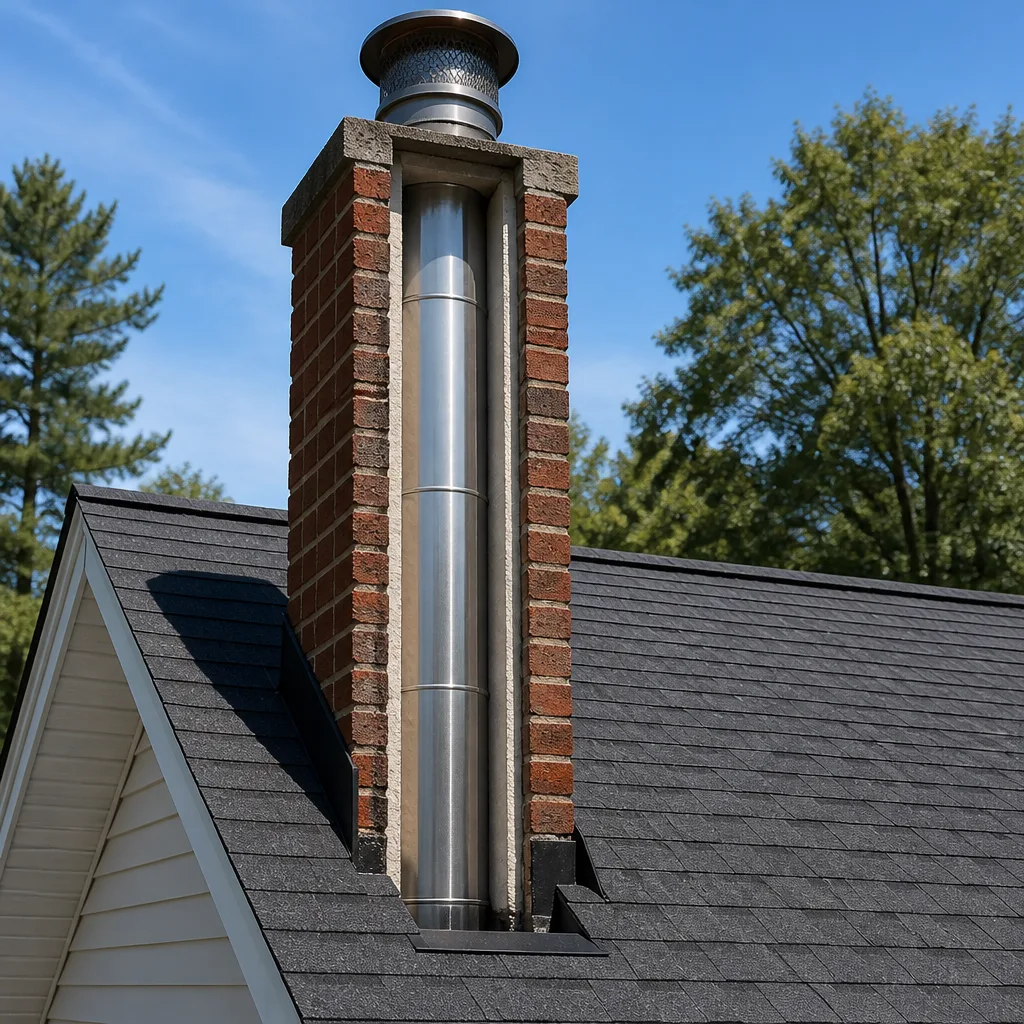 Flue relining
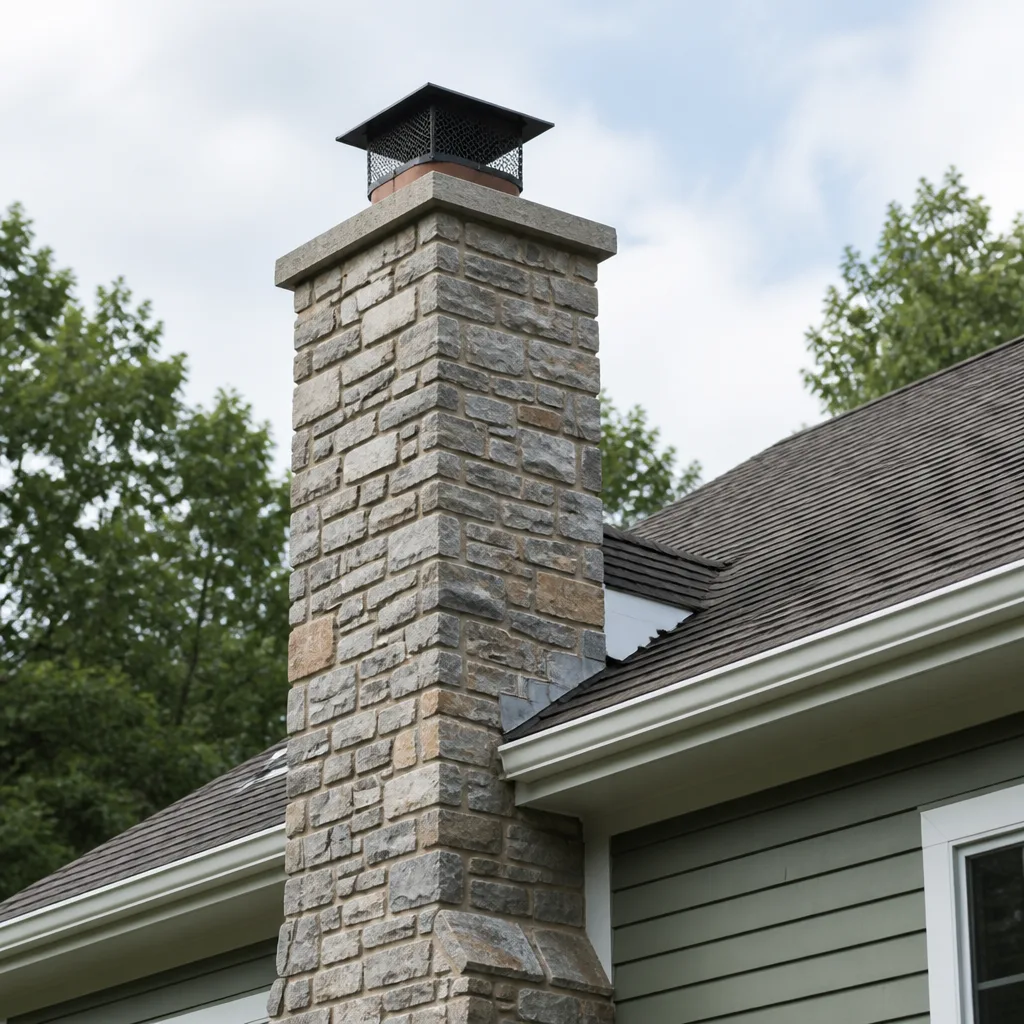 Masonry repair
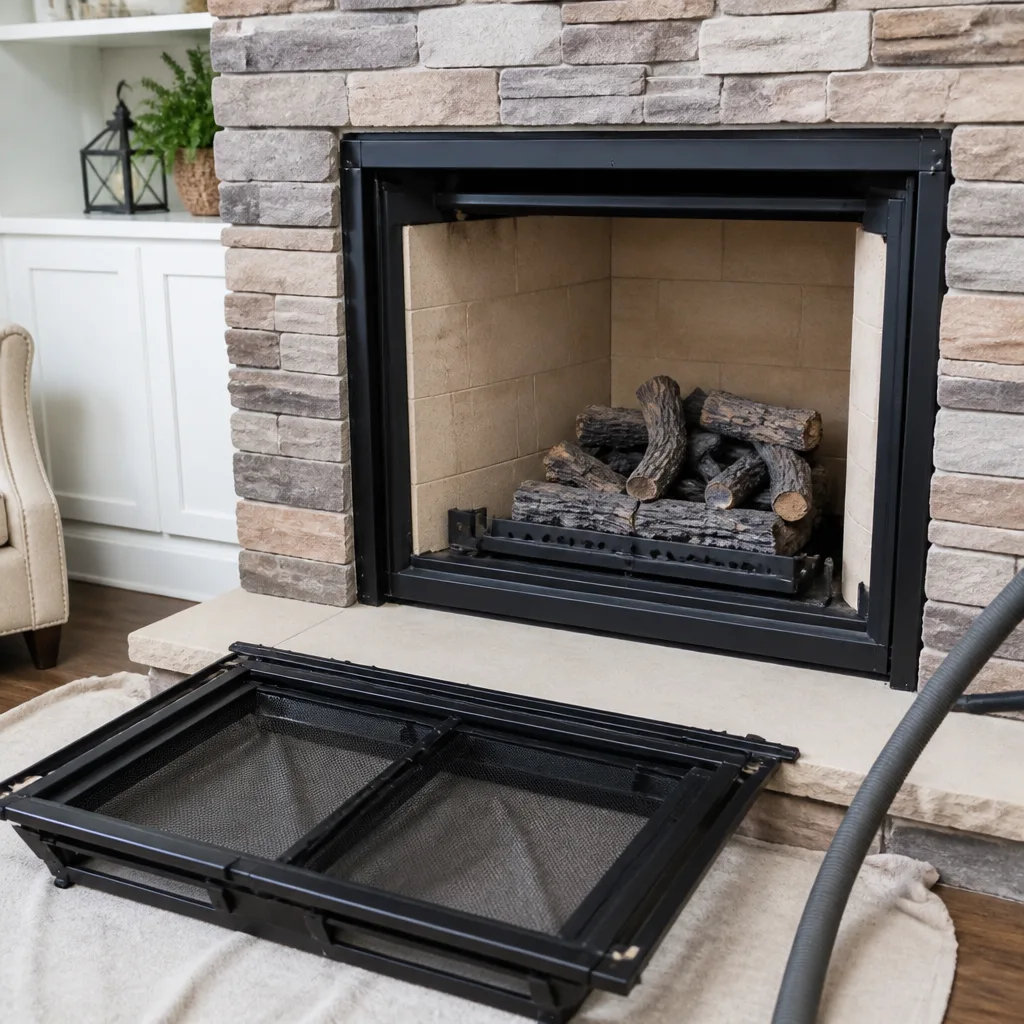 Gas fireplace service
Level 1 sweep and inspection to the NFPA 211 annual standard - flue, crown, cap, and flashing checked and photographed
Chimney sweep logs do not sweep chimneys. They loosen some creosote - which then falls where a brush and vacuum still have to collect it.
DIY vs Professional Chimney Cleaning: The West Palm Beach Homeowner’s Decision Guide
Here’s a number that surprises most West Palm Beach homeowners: the National Fire Protection Association attributes roughly 25% of residential heating fires to chimneys and flues that weren’t cleaned properly. That includes chimneys their owners believed they’d cleaned themselves. You can buy a chimney cleaning kit on Amazon for $40 and clean your own flue in an afternoon, and for a straight-shaft, single-story chimney with less than one cord of wood burned annually, you might do it perfectly well. The problem is that “might” is doing a lot of work in that sentence, and the consequences of getting it wrong are measured in house fires. This guide draws a hard, practical line between what a West Palm Beach homeowner can genuinely do safely and what crosses into professional territory, with dollar figures, self-assessment criteria, and the insurance reality most cleaning guides never mention.
Styles & brands we work with
Quick Answer
For most West Palm Beach homes, professional chimney cleaning is the right call because a certified sweep doesn’t just remove soot: they inspect the liner, smoke chamber, flashing, and cap for damage that no DIY kit can reveal. DIY cleaning is a reasonable option only for a narrow set of conditions: a single-story home, a straight flue with no offsets, light seasonal use, and a homeowner who can safely work on the roof. If your chimney has bends, serves a fireplace plus a furnace, or hasn’t been professionally inspected in over two years, hire a pro-our step-by-step guide to hiring a chimney cleaning contractor in West Palm Beach walks you through exactly what to look for. The stakes in Florida aren’t hypothetical: high humidity accelerates creosote corrosion, hurricane-driven rain finds every flashing gap, and DIY cleaning voids a claim path if a chimney fire happens within 12 months of self-service.
Table of Contents
- The Real DIY Case: When Cleaning Your Own Chimney Makes Sense
- The No-Go List: Six Chimney Configurations Where DIY Is a Bad Bet
- What DIY Cleaning Cannot See: The Inspection Gap
- What West Palm Beach’s Climate Does to Chimneys
- The Insurance Reality: DIY Cleaning and Florida Claim Eligibility
- Side-by-Side: DIY Kit vs. a Professional Sweep in West Palm Beach
- What a Professional Chimney Cleaning Actually Includes
- Common Mistakes to Avoid
- When to Call a Professional
- Frequently Asked Questions
- The Bottom Line
The Real DIY Case: When Cleaning Your Own Chimney Makes Sense
We’re not going to pretend DIY chimney cleaning is always a bad idea. That’s the lazy answer, and it’s also not true. In West Palm Beach, where a working fireplace is a seasonal luxury rather than a survival necessity, some homeowners genuinely fall into a category where a $40 kit from Amazon, an afternoon on a ladder, and a careful eye are enough. Here’s the honest framework.
A DIY chimney cleaning is reasonable when all four of these conditions are true at the same time:
- Your chimney is a straight vertical shaft. No offsets, no elbows, no 30-degree bends where creosote accumulates out of reach of a flat wire brush. If you can look up from the fireplace and see daylight through the flue, that’s a straight shaft.
- Your home is a single story with safe roof access. You’ll need to get on the roof to clean from the top down, which is the only method that actually works. If your roofline is steep, tile, or you don’t own a proper roof ladder, this condition fails immediately.
- You burn less than one cord of wood per year. Light, occasional use produces powdery Stage 1 creosote that a stiff brush can remove. Heavier use produces Stage 2 glazed creosote, which is a tar-like substance that a homeowner-grade brush will simply skate over.
- The chimney has been professionally inspected within the last two years. This is the one most people skip. DIY cleaning assumes the system is sound enough to clean. If you don’t know the liner’s condition, you’re cleaning blind, and that’s how a small crack becomes a house fire you didn’t know was being set up.
If all four are true, here’s what a competent DIY cleaning looks like: cover the fireplace opening with a damp sheet and tape it off, get on the roof, remove the cap, run a properly sized poly brush down the flue with enough rods to reach the smoke shelf, scrub until the brush stops pulling black material, vacuum the smoke shelf and firebox from below with a HEPA-filter shop vac, and reinstall the cap. That’s the job. It takes most first-timers three to four hours including cleanup.
If any one of those four conditions fails, stop. You’re not saving $200 anymore. You’re betting your house that you caught everything a professional would have found.
The No-Go List: Six Chimney Configurations Where DIY Is a Bad Bet
Most West Palm Beach homes fall into at least one of these categories. We’ve grouped them by the configuration itself, because these are things you can check from the ground in about five minutes.
- Offset flues. Many fireplaces in older West Palm Beach homes, especially in neighborhoods like El Cid, Flamingo Park, and Northwood Hills, have chimney offsets that route the flue around a beam or roofline curve. An offset means the brush can’t follow the path, and glazed creosote builds in the bend. This includes almost any chimney that doesn’t rise straight through the roof.
- Multi-flue systems. If your chimney serves both a fireplace and a furnace or water heater, you’re dealing with separate flues at different temperatures, different creosote types, and different clearances. The National Fire Protection Association’s 211 standard requires distinct inspection and cleaning for each flue. Most homeowner kits don’t include the equipment or the knowledge to do both properly.
- Wood stove or insert installations. A wood stove connected to a chimney liner means the liner itself is under sustained, intense heat. The clearance to combustibles, the condition of the liner joints, and the baffle arrangement all need assessment against the manufacturer’s spec. Screw that up and you get carbon monoxide backdrafting into a bedroom.
- Two-story homes with any roof pitch over 6/12. This covers a large share of newer construction west of I-95, including communities like Andros Isle, RiverWalk, and the subdivisions off Okeechobee Boulevard. The geometry of roof access alone raises the risk to unacceptable levels for someone who doesn’t work on roofs regularly. Fall injuries from DIY chimney work are a category of homeowner Emergency Department visits that doesn’t get talked about enough.
- Masonry chimneys over 15 years old with any visible exterior cracks, efflorescence, or a leaning cap. In West Palm Beach’s salt-air, hurricane-humidity environment, masonry deteriorates faster than in drier climates. A visible crack is evidence the chimney has already moved, and you cannot evaluate what that movement did to the flue liner from the roof with a brush in your hand.
- Any chimney that has not been inspected with a camera in the past five years. This is the big one. If you don’t have a documented, camera-verified baseline of the flue’s interior condition, you don’t know whether cleaning it yourself is safe or whether you’re about to knock a loose liner tile free with a brush and create a firepath through the brick.
The pattern here is simple: DIY chimney cleaning is for simple chimneys in good condition. Once the system has any complexity or unknowns, a brush and a bucket don’t cut it. The good news is that all six of these conditions can be identified during a standard chimney inspection in West Palm Beach. You don’t have to guess.
What DIY Cleaning Cannot See: The Inspection Gap
Here’s the part most DIY-versus-professional guides skip entirely. Chimney sweeping and chimney inspection are not the same thing. A brush removes deposits from the flue’s inner surface. That’s it. It does not tell you anything about the structural condition of the system, and in a West Palm Beach home, the structural condition is where the actual danger lives.
What a professional chimney sweep in West Palm Beach does that a DIY kit cannot do:
- Video scan the flue liner. Clay tile liners crack. In a hurricane, lateral forces a home wasn’t built for can separate liner joints, and hairline cracks create the pathway for a house fire. A camera inspection shows exactly where those cracks are and whether they’re active. Every chimney sweep in West Palm Beach who follows NFPA 211 includes this in the appointment.
- Assess smoke chamber integrity. The smoke chamber is the funnel-shaped transition between the firebox and the flue. It’s the most common spot for voids and gaps in Florida masonry chimneys, because the chamber is often parged by hand during construction and that mortar breaks down under humid, salty air. A void in the smoke chamber allows heat to reach wood framing. No brush fixes that.
- Check the flashing seal. West Palm Beach gets roughly 62 inches of rain per year, much of it in summer squalls that hit rooftops at steep angles with high wind. Flashing is the folded metal where the chimney meets the roof. When it lifts even an eighth of an inch, water runs down the chimney chase, rots the sheathing, and invites mold into the attic. The average homeowner cleaning their chimney has no idea what they’re looking at when they see flashing, let alone whether it’s sealing.
- Check the cap and spark arrestor. A missing or damaged chimney cap in West Palm Beach is an open invitation to rain, nesting birds, and in some neighborhoods, iguanas that find a warm flue irresistible. A pro checks the cap’s screen mesh, its attachment hardware, and its fit on the flue tile.
- Measure clearances to combustibles. Florida building code sets specific minimum clearances between a chimney or connector pipe and any wood framing, insulation, or roofing material. A tape measure and the code book answer this. Guessing doesn’t.
- Document findings in a written report. When you sell a home in West Palm Beach, inspectors and buyers increasingly ask for chimney maintenance records. A written report from a licensed, insured professional with a camera log is a document you can hand over. Your memory of a Saturday afternoon with a brush is not.
We’ve seen homes here where a homeowner cleaned their chimney faithfully every year and still had a liner crack that had been growing for a decade. They weren’t negligent. They just couldn’t see what they couldn’t see.
What West Palm Beach’s Climate Does to Chimneys
Chimneys in West Palm Beach face conditions that chimneys in Atlanta or Nashville or Chicago don’t. That’s not to say Florida chimneys are worse, but they fail differently, and if you’re making a DIY-versus-professional decision, you need to understand what your climate is actually doing to your flue while you’re not looking.
First, humidity. The average relative humidity in West Palm Beach hovers around 75% year-round, and it spikes higher during the summer wet season. Creosote, the tar-like byproduct of wood smoke, is hygroscopic: it absorbs moisture from the air. In dry climates, Stage 2 glazed creosote can sit for years without changing. Here, it swells with ambient humidity, which causes it to flake and shed, and those flakes accumulate at the flue’s base where they block airflow and create a ready fuel bed. That means a chimney that was fine last season may have developed a serious obstruction by the time you light your first fire in November.
Second, hurricanes and tropical storms. West Palm Beach has absorbed direct or near-direct hits from every major storm category in the last century. The lateral forces on a chimney during even a Category 2 storm exceed what most masonry chimneys built before 1992 were designed to withstand. After any named storm that passes within 50 miles of West Palm Beach, the smart move is a visual inspection at minimum. A professional sweep checks the cap, the flashing, the crown, and the stack’s vertical alignment. A homeowner with a brush checks none of those things.
Third, salt air. If you live east of I-95, especially in neighborhoods like Grandview Heights, Prospect Park, or along Flagler Drive, your chimney’s metal components, the cap, the damper, the flashing, are exposed to salt-laden air that accelerates corrosion. A rusted damper doesn’t close properly, which means cooled air circulates through the flue, which means condensation, which means faster creosote breakdown. Again, this is not something a brush addresses.
Fourth, the disuse pattern. A lot of West Palm Beach fireplaces sit unused for eight or nine months of the year. That’s a breeding ground for problems. Birds, rodents, insects and nesting activity are more common in disused chimneys, and the first fire of the season can ignite a wasp nest or bird nest that’s been sitting in the flue since March. In our experience, the majority of chimney fires in West Palm Beach happen on the first or second burn of the season, because the chimney was never checked after a long idle stretch.
None of this means you can’t enjoy a fireplace in South Florida. You absolutely can. It means the baseline of “is this safe to use?” is a moving target here in a way it isn’t in drier, calmer regions.
The Insurance Reality: DIY Cleaning and Florida Claim Eligibility
Let’s talk about the part no one wants to think about until it’s too late. What actually happens to a homeowner’s insurance claim in Florida if a chimney fire occurs within 12 months of a DIY cleaning?
Here’s the scenario we’ve seen play out, and it’s worth reading carefully. A homeowner in West Palm Beach cleans their own chimney in October. In January, they light a fire and the chimney ignites. The fire is contained, but the damage is real: $18,000 to $40,000 in smoke damage, a damaged liner, a cracked flue tile. They file a claim.
The adjuster’s first question is about chimney maintenance history. When the homeowner says they cleaned it themselves three months prior, the adjuster asks for documentation of that cleaning. The homeowner has none, but that’s not the problem. The problem is that the insurer’s own inspector then examines the flue and finds Stage 2 or Stage 3 glazed creosote, which is exactly what a homeowner-grade brush cannot remove. The insurer’s position, and it’s a consistent one in Florida, is that the homeowner failed to properly maintain the chimney. The claim is denied. The homeowner is out the full cost of repairs, plus their premiums now reflect a fire loss on the property’s CLUE report.
This isn’t hypothetical. It’s a documented pattern in Florida property insurance, and it’s grown more common since 2022 as insurers across the state have tightened underwriting on any fire-adjacent claim. The distinction that matters isn’t whether you cleaned the chimney. It’s whether you can prove the chimney was cleaned and inspected by a professional according to NFPA 211.
If a professional chimney sweep in West Palm Beach cleans and inspects your chimney, you receive a written report documenting the condition of the liner at that date, the creosote level, the condition of the cap and flashing, and any repairs that were completed. That report is evidence you maintained the system. If a fire still occurs after that, your claim is dramatically stronger, and your insurer has far less room to argue neglect.
The math is simple. A professional sweep in West Palm Beach runs $200 to $350 in most cases. A denied chimney fire claim can run $20,000 to $60,000 out of pocket, plus years of premium increases. The sweep is the cheapest insurance policy you’ll ever buy for your fireplace. For exact pricing on your home, call us at (728) 203-8687.
There’s also a second insurance angle most people miss: liability. If you DIY-clean your chimney, miss a Stage 2 creosote deposit, and a fire occurs that damages a neighbor’s property, a condo association’s common elements, or worse, you’re personally exposed. In a dense West Palm Beach condo market, where firewalls and shared attics are common, the liability exposure of an amateur chimney cleaning is not a theoretical risk. A professional carries insurance that shifts that exposure off you.
Side-by-Side: DIY Kit vs. a Professional Sweep in West Palm Beach
People ask us about the cost difference all the time. Here’s the honest comparison, and for a full chimney cleaning cost breakdown for West Palm Beach homeowners, see our dedicated pricing guide.
| Item | DIY Kit Route | Professional Sweep in West Palm Beach |
|---|---|---|
| Equipment | $40 – $120 for a brush kit, rods, drop cloth, and HVAC tape | $200 – $350 including labor, disposal, and written report |
| Time investment | 3 – 4 hours for the cleaning itself, plus 45 minutes setup and cleanup | 60 – 90 minutes, zero homeowner time spent on the roof |
| Roof access equipment | You supply your own roof ladder, which most people need to rent or borrow ($30 – $60/day) | Included |
| Inspection value | $0, none | Camera scan of liner, smoke chamber assessment, flashing check, cap check, clearance measurements |
| Documentation | None | Written report with findings, creosote level, and photo log valid for resale and insurance |
| Hidden risk | Falls, missed Stage 2 creosote, voided insurance claim path, missed liner cracks | Covered by professional liability insurance |
If we’re being honest, the DIY route on a qualifying straight-shaft chimney saves you roughly $150 to $250. That’s real money. But it saves you that money by leaving out the inspection entirely, and in West Palm Beach, where humidity, storms, and long disuse are the norm, the inspection is the part that keeps your house from burning down.
When you book a professional chimney sweep in West Palm Beach, you’re not paying for the brushing alone. You’re paying for the camera that sees what your brush can’t, the written report you can hand to your insurer or your buyer, and the trained eye that knows West Palm Beach chimneys fail in predictable ways. The brushing is the easy part.
What a Professional Chimney Cleaning Actually Includes
If you’ve never hired a chimney sweep before, or if the last time you did it was in another state, here’s what a proper appointment looks like in West Palm Beach, step by step. Knowing what to expect is part of making the right decision.
- Pre-arrival verification. At Alcott Chimney West Palm Beach, you’ll receive the technician’s name and photo before the appointment. When they arrive, they’ll present a photo ID badge. This is the Threshold Standard, and it’s not something we compromise on. You’ll always know who’s at your door before you open it.
- Interior protection. The sweep lays drop cloths across the hearth and surrounding floor, covers furniture within the work area, and seals the fireplace opening to keep soot out of your living space.
- Initial visual inspection. Before any brushing, the technician checks the firebox, damper, smoke chamber, cap, flashing, and exterior condition. This identifies problems that need to be documented before cleaning can dislodge evidence.
- The sweep. The flue is brushed with a properly sized brush. For straight shafts, this is a top-down brush run. For offset flues, the technician uses a rotary whip system designed for bends. The goal is complete removal of Stage 1 and Stage 2 creosote down to the liner surface.
- Camera inspection. After the sweep, the technician runs a camera up the flue and into the smoke chamber. You’re shown the footage. If there’s a crack, a gap, or a section of damaged liner, you’ll see it with your own eyes before anyone suggests a repair.
- Written report and pricing. You receive a written report documenting the creosote level before and after, the condition of every component, photos from the camera scan, and any recommended repairs with a written price. Nothing happens without your approval. No work is done that you haven’t seen justified and priced in writing.
- Cleanup. The work area is vacuumed and returned to the condition it was in when we arrived. The only evidence we were there is a cleaner fireplace and the report in your hand.
This takes 60 to 90 minutes for a standard single-story West Palm Beach home. If the technician finds something, say a section of damaged clay tile liner, the recommendation will include specific product names. We use and install professional trade materials, including DuraFlex liner systems and HeatShield resurfacing, because those are the products specified by the chimney trade, and we don’t improvise with box-store substitutes. Every repair we do carries a written guarantee, and if it fails within the coverage period, the second visit is free. That’s the 365-Day Done Right Promise, and it’s included on every job, not sold as an upgrade.
Common Mistakes to Avoid
- Buying a one-size-fits-all brush kit and assuming it fits your flue. Flue tiles come in standard sizes. A brush that’s too small leaves creosote behind. One that’s too large can lodge in the flue and require a professional to extract. Know your flue’s diameter, not your chimney’s exterior width.
- Cleaning from the bottom up through the fireplace opening. This is how people bury their living room in soot and fail to clean the top third of the flue. Top-down is the only method that works for a straight shaft.
- Skipping the cap inspection. In West Palm Beach, a damaged cap is an open water inlet. If you clean your flue but ignore the cap, you’ll have a rusted damper and a mold problem before next season.
- Treating a chimney fire that went out on its own as a non-event. If you’ve had a chimney fire, even a small one, the flue needs a professional assessment before any further use. The heat from a chimney fire is enough to crack tiles and separate mortar joints, and a brush won’t reveal that damage.
- Misjudging creosote stage. Stage 1 creosote is flaky and brushes off. Stage 2 is shiny and tar-like. A homeowner brush will not remove Stage 2, period. If your brush is skating over the surface rather than cutting into it, you’ve already lost.
- Neglecting the smoke shelf. The smoke shelf, the flat shelf directly behind the damper, collects creosote and debris that gets pushed down from above. Many homeowners vacuum the firebox and call it done, leaving a fuel bed sitting on the smoke shelf.
- Doing your first DIY cleaning on a chimney you’ve never had inspected. This is the one that leads to houses lost. A chimney that hasn’t been professionally inspected in five years is an unknown system, and cleaning an unknown system is a gamble with the stakes being your home.
When to Call a Professional
Call a professional if any of these apply: your chimney has served the home for more than 15 years without a documented camera inspection, you see water stains on the ceiling near the fireplace, you smell smoke in the house when the fireplace isn’t in use, you’re buying or selling a home and need chimney documentation, you had a chimney fire of any size, or you simply want certainty about the condition of the system before you light the first fire this season. In every one of these situations, Alcott Chimney West Palm Beach offers free estimates in West Palm Beach. Call (728) 203-8687 and a live person answers, day or night.
Frequently Asked Questions
A professional chimney sweep in West Palm Beach typically costs between $200 and $350 for a standard single-flue residential chimney, before any repairs. That price includes the sweep, a camera inspection of the liner, a written report, and cleanup. DIY kits run $40 to $120 in equipment, but exclude inspection, documentation, and liability coverage. For an exact quote on your home, call (728) 203-8687.
The National Fire Protection Association recommends cleaning when creosote buildup reaches 1/8 inch, which for most West Palm Beach homeowners translates to once per year if you burn regularly, or once every two years if you use the fireplace only a handful of times each season. After any named storm passes within 50 miles, a visual check of the cap and flashing is worth scheduling regardless of when the last cleaning happened.
You can perform a basic visual check from the ground or with a flashlight from inside the fireplace, and that’s worth doing before every season. What you cannot do from either vantage point is evaluate the flue liner’s interior, the smoke chamber’s mortar, or the flashing’s seal. Those require a roof-level inspection and a camera. A DIY visual check is a good supplement to professional service; it’s not a replacement for it.
No, not without a professional inspection first. Three years of West Palm Beach humidity and seasonal disuse is enough time for creosote to break down into a fuel bed, for a bird or rodent to nest in the flue, and for storm damage to the cap or flashing to go unnoticed. The first fire of the season after long disuse is the most common chimney fire trigger. Have it inspected, then light it with confidence.
Stage 1 is a flaky, dusty deposit that brushes off easily. Stage 2 is a shiny, hardened, tar-like glaze that requires rotary tools and chemical treatment to remove. Stage 3 is a dense, hardened accumulation that often requires a professional resurfacing or liner replacement to fully resolve. Homeowner brushes handle Stage 1. They cannot handle Stage 2 or 3, and attempting to do so is the point where DIY cleaning becomes a fire risk.
Florida homeowners policies typically don’t require a specific cleaning schedule, but nearly all require that the homeowner maintain the property in a way that prevents foreseeable damage, and a chimney fire traced to accumulated creosote after a DIY cleaning is routinely denied on that basis. A written report from a professional sweep documenting proper maintenance is the practical protection against that denial. It’s also the document you’ll want if you ever sell and the buyer’s inspector asks about the chimney.
Shared flue systems are a specific configuration covered under NFPA 211, and they require professional attention. Gas and wood appliances produce different combustion byproducts at different temperatures, and cleaning one flue without evaluating the other is incomplete at best and dangerous at worst. If your home has this setup, treat the chimney as a professional-only system. Alcott also handles gas fireplace repair in West Palm Beach if the gas side needs attention.
The Bottom Line
DIY chimney cleaning is not always the wrong choice. For a single-story West Palm Beach home with a straight flue, a professionally verified baseline, light seasonal use, and a homeowner who can safely access the roof, a $40 kit and an afternoon of work is a legitimate maintenance path. That describes roughly 10% to 15% of the fireplaces we see. The other 85% to 90% have an offset, a shared flue, an unverified liner, an aging masonry stack, or simply too much at stake to clean blind. A professional sweep in West Palm Beach costs $200 to $350 and buys you what no kit can: a camera inside the flue, a written record, and a real answer about whether your chimney is safe. We’ve built our entire company around making that answer easy to get. Call (728) 203-8687 and we’ll give you a straight price and a straight answer, usually the same day.
Written by Ruben Castellano, Owner at Alcott Chimney West Palm Beach, serving West Palm Beach since 2002. For more on our services, visit the Alcott Chimney West Palm Beach home page.
See the difference
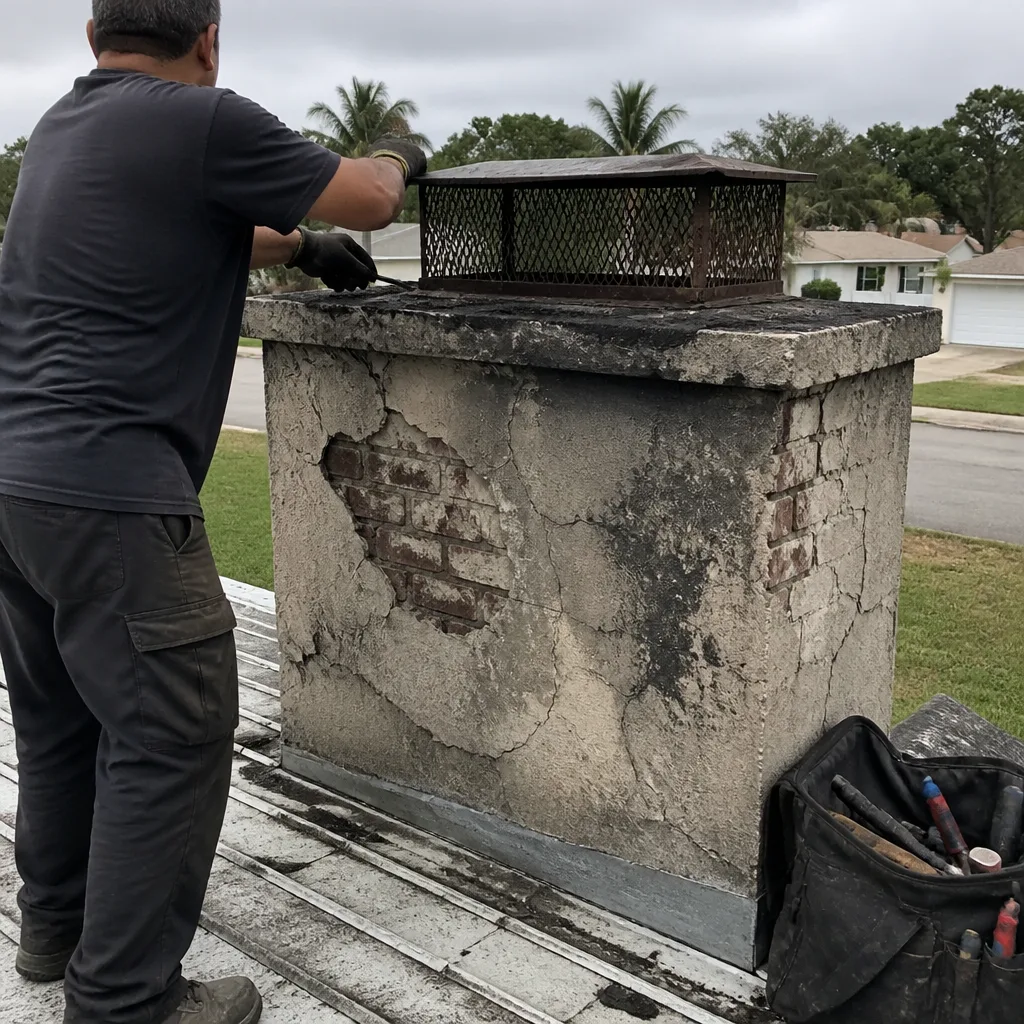 Before
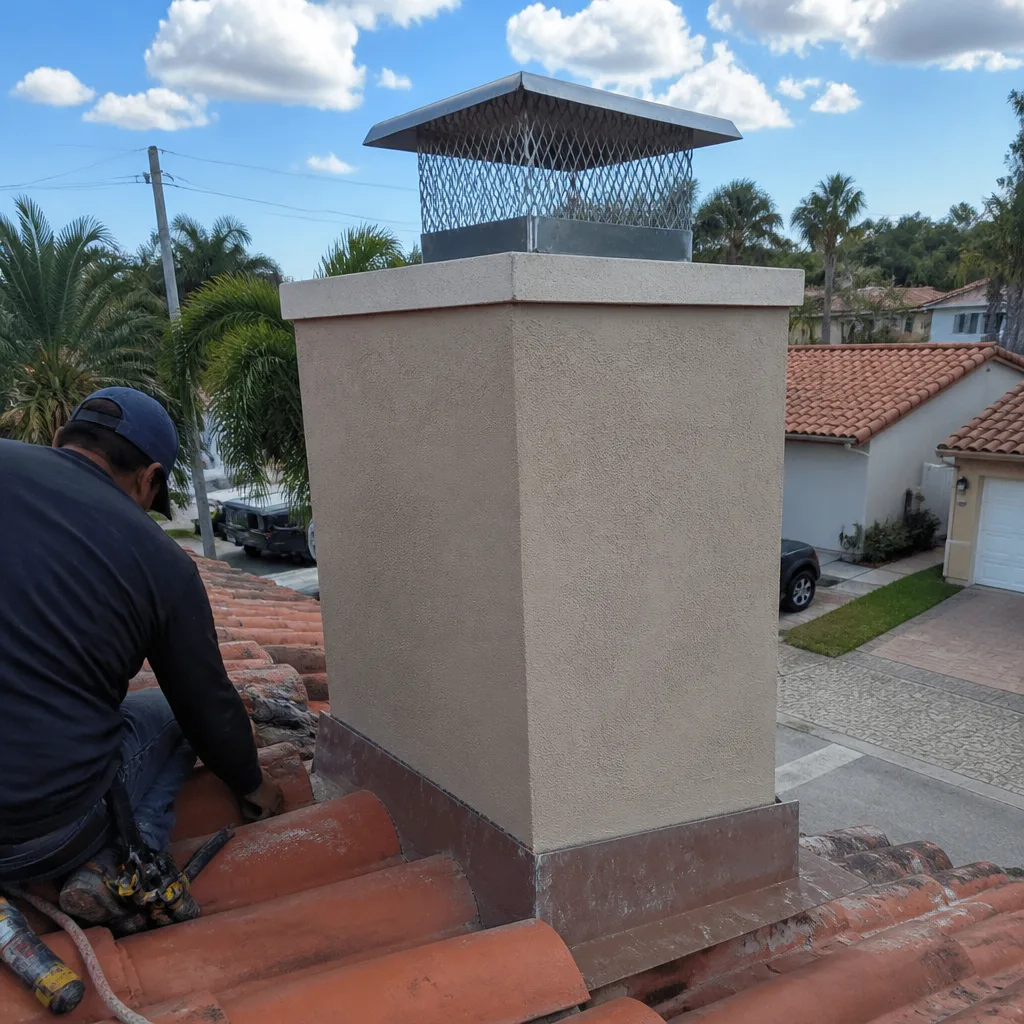 After
After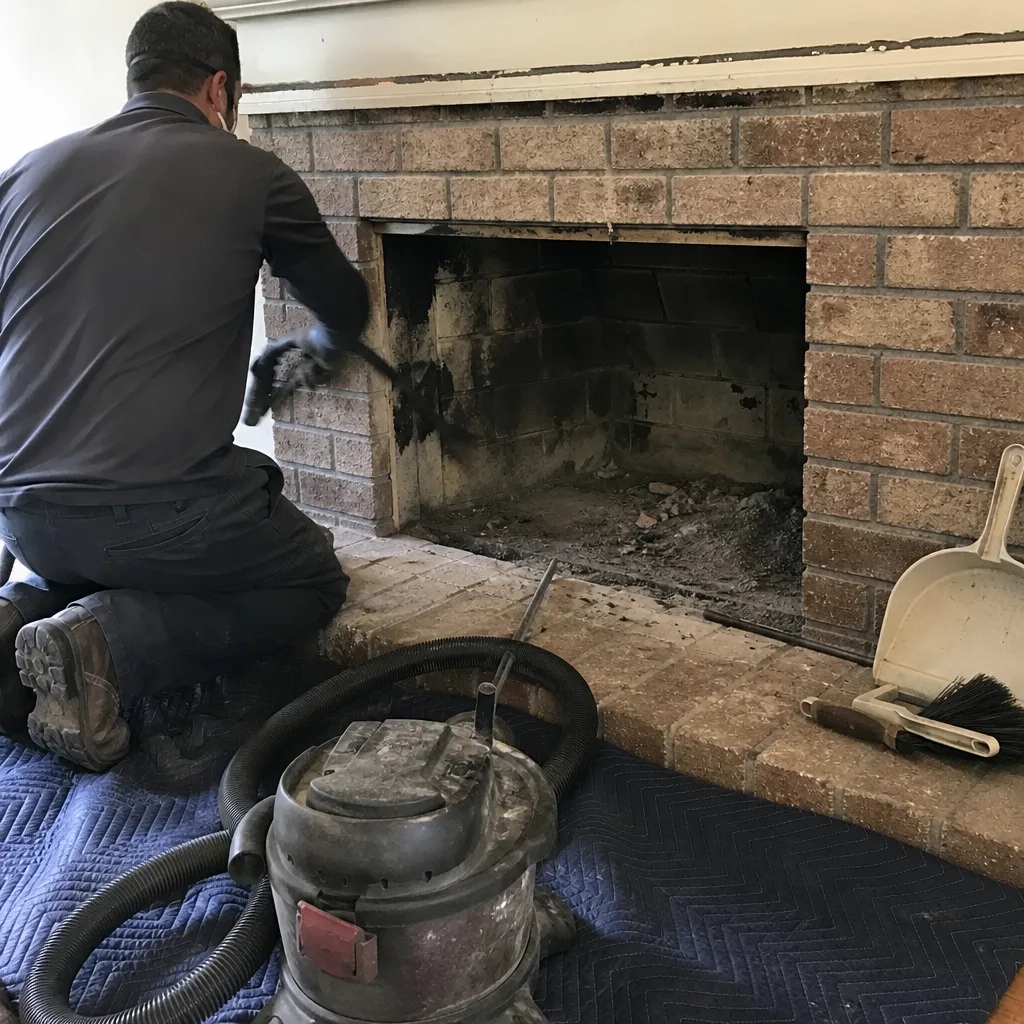 Before
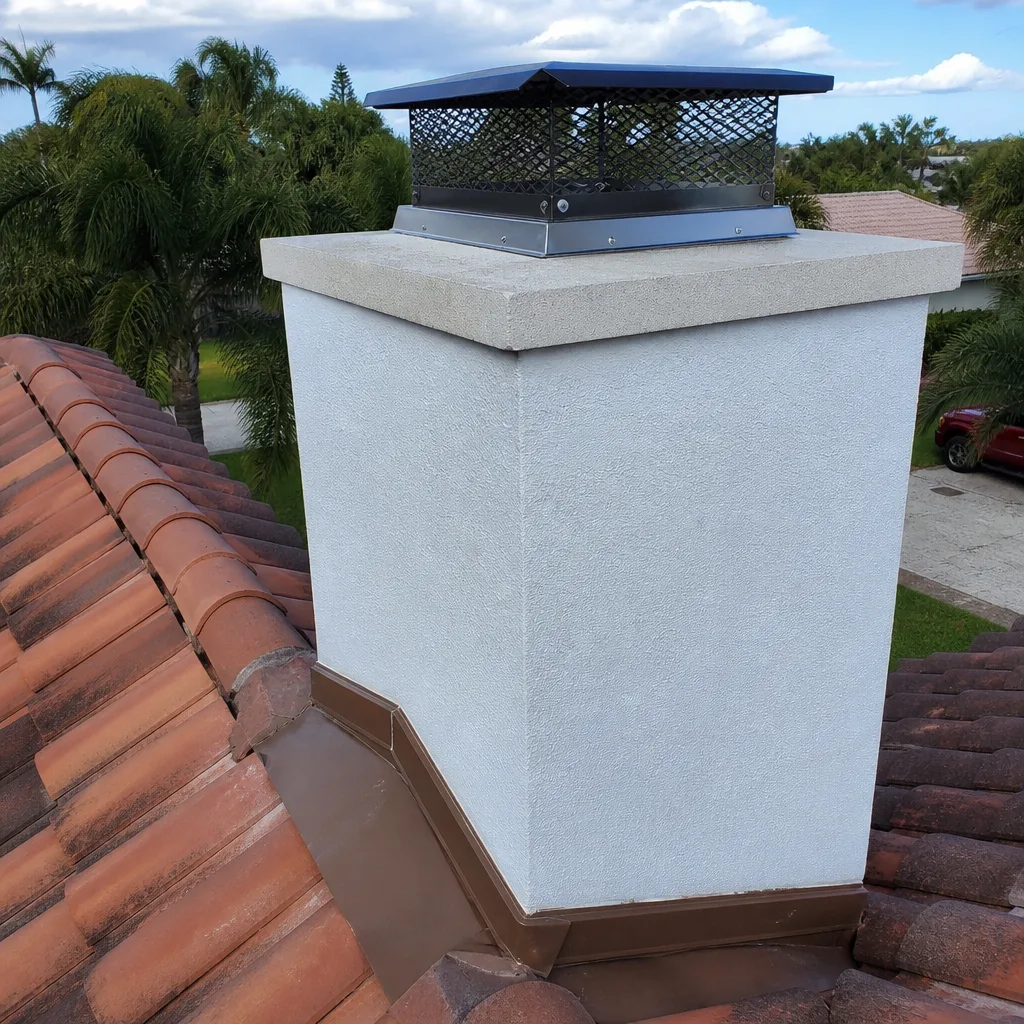 After
After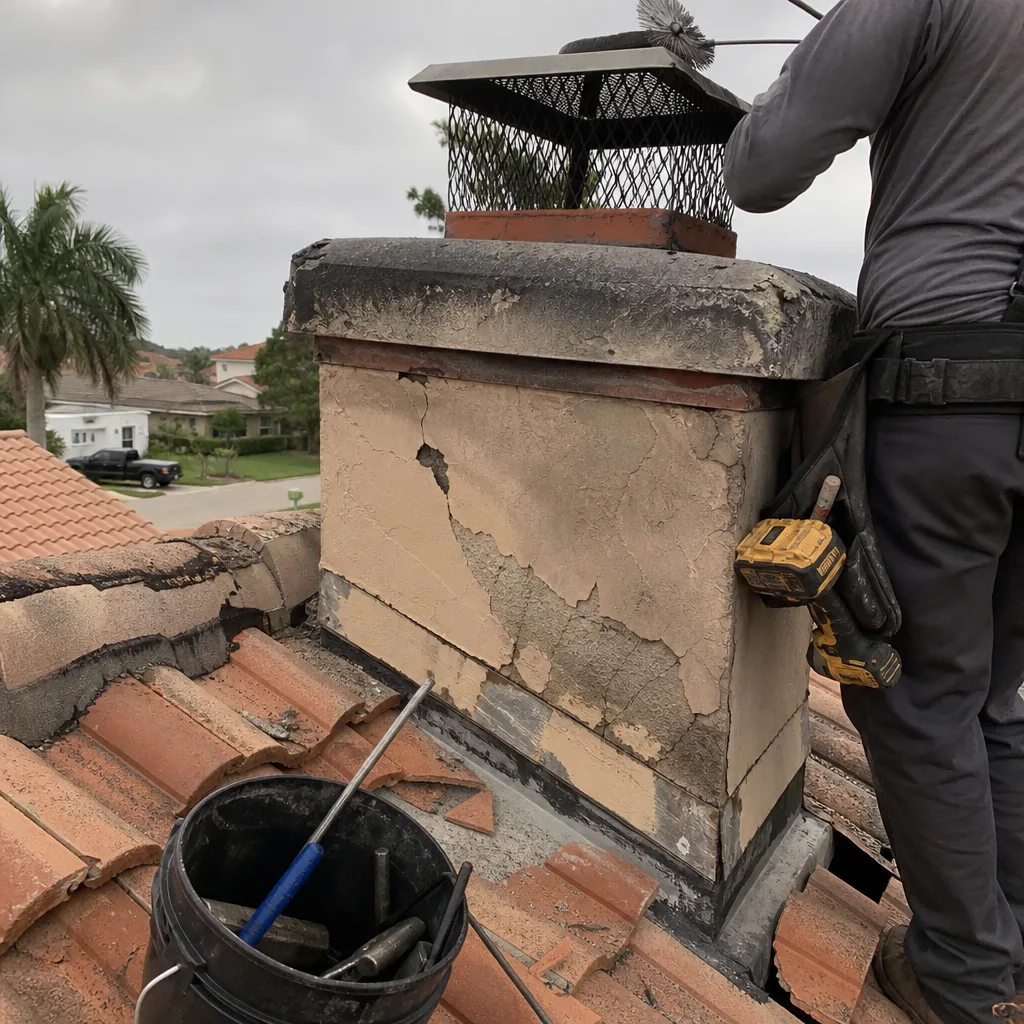 Before
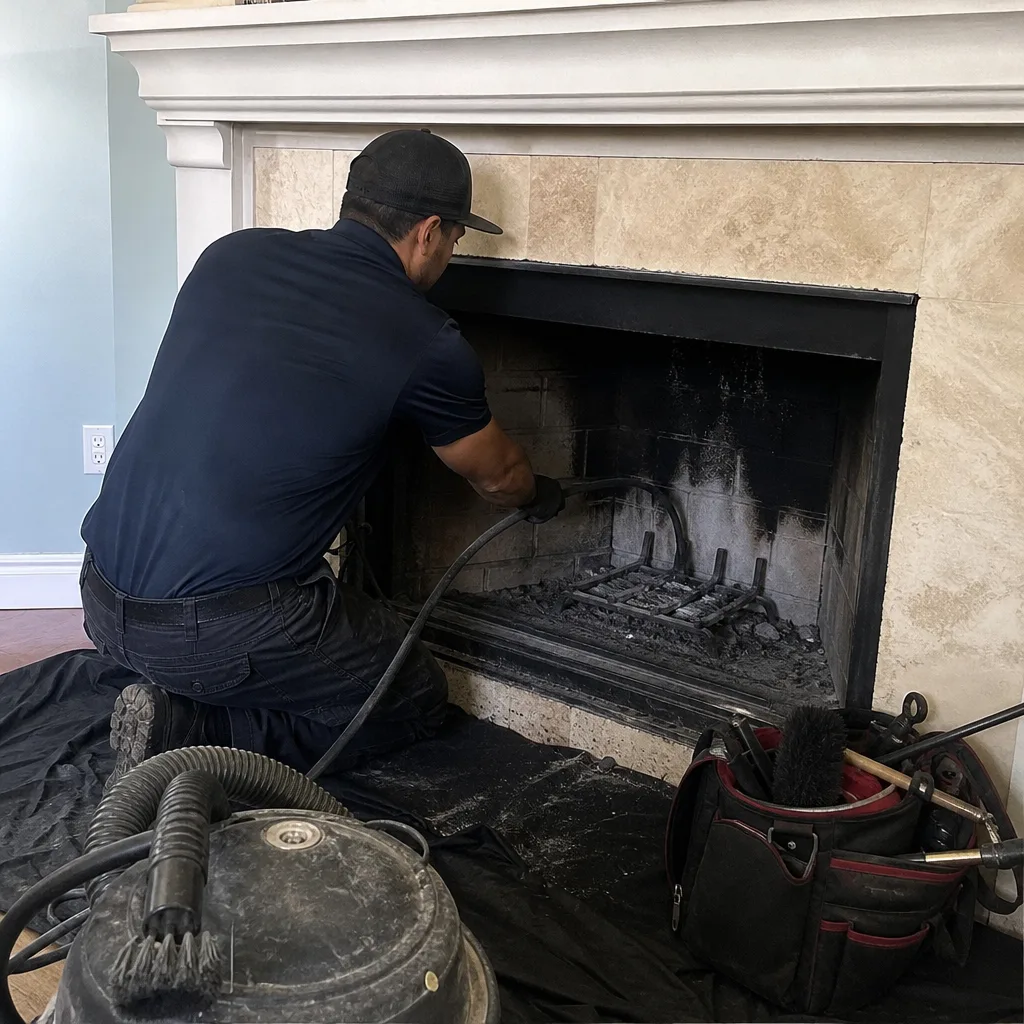 After
After