
Last updated October 15, 2026
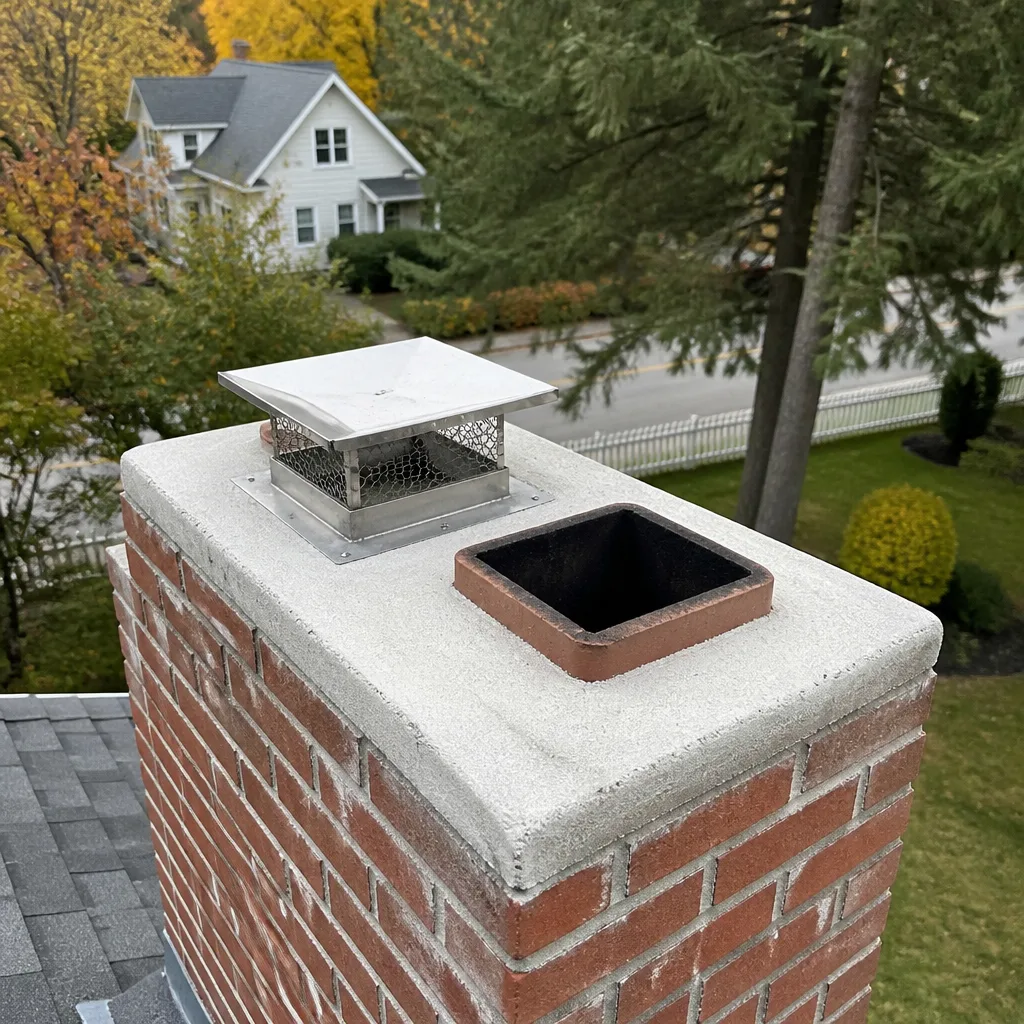 Sweep & inspection
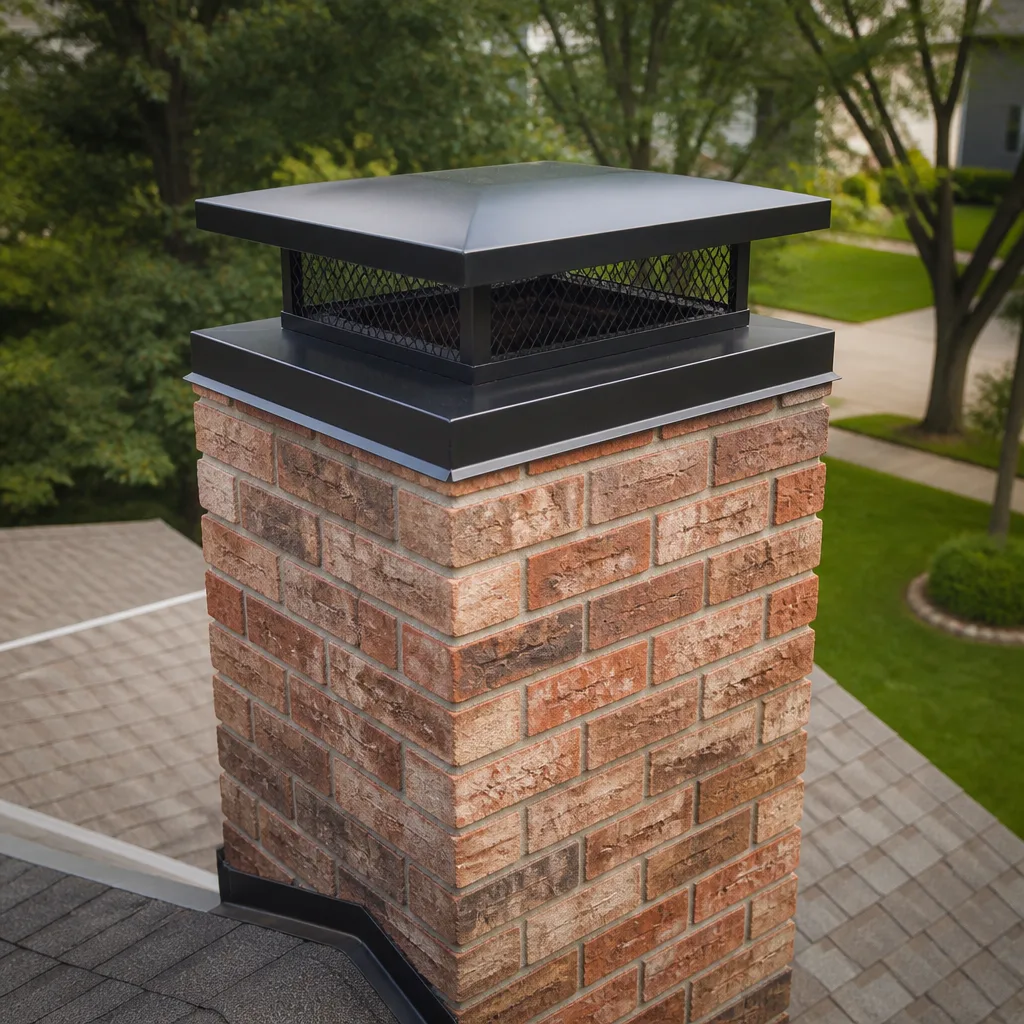 Caps & crowns
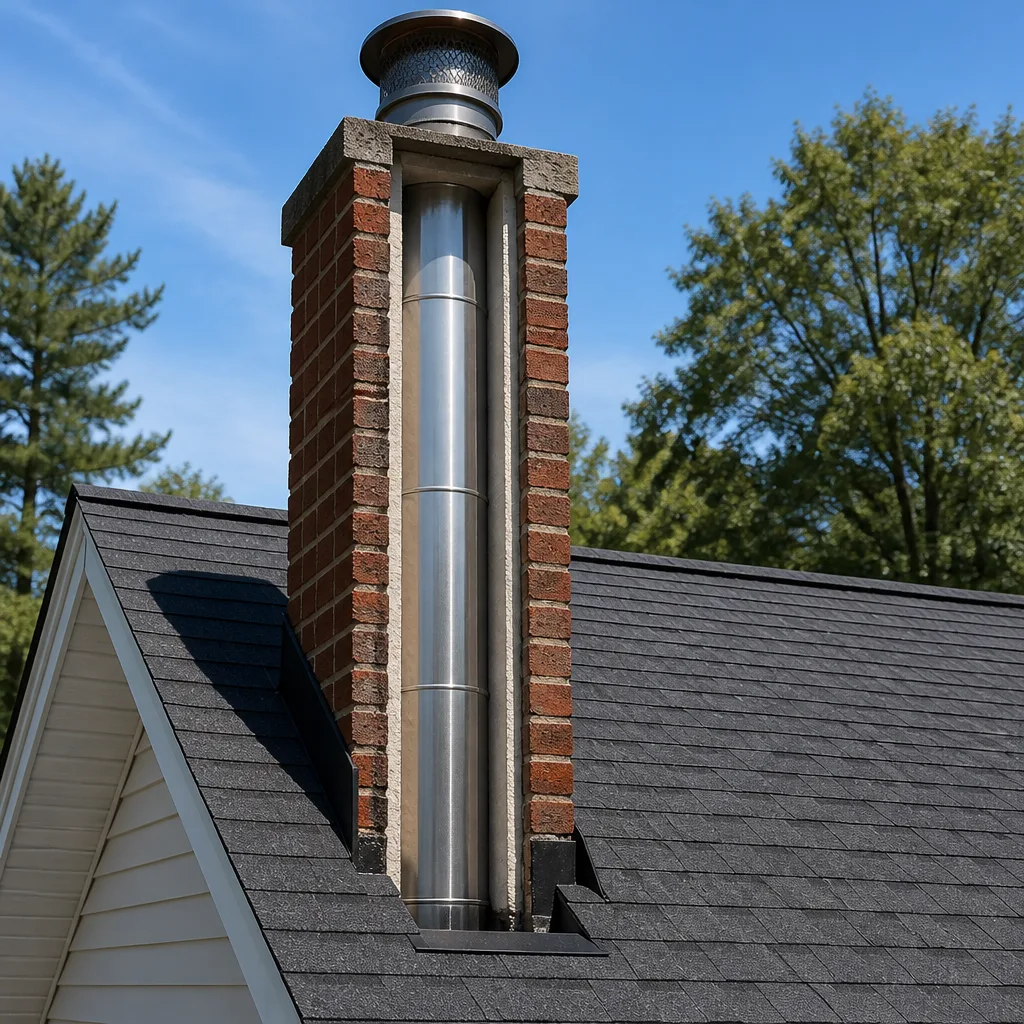 Flue relining
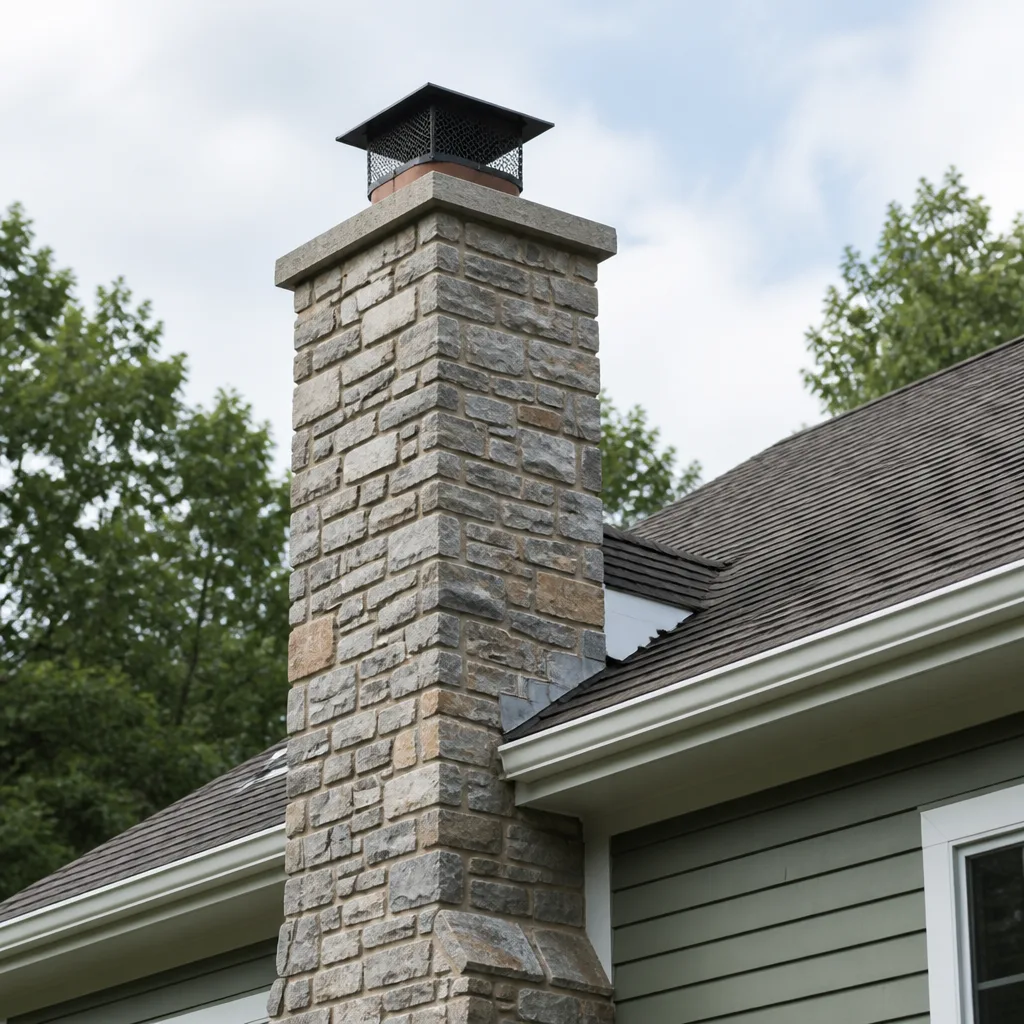 Masonry repair
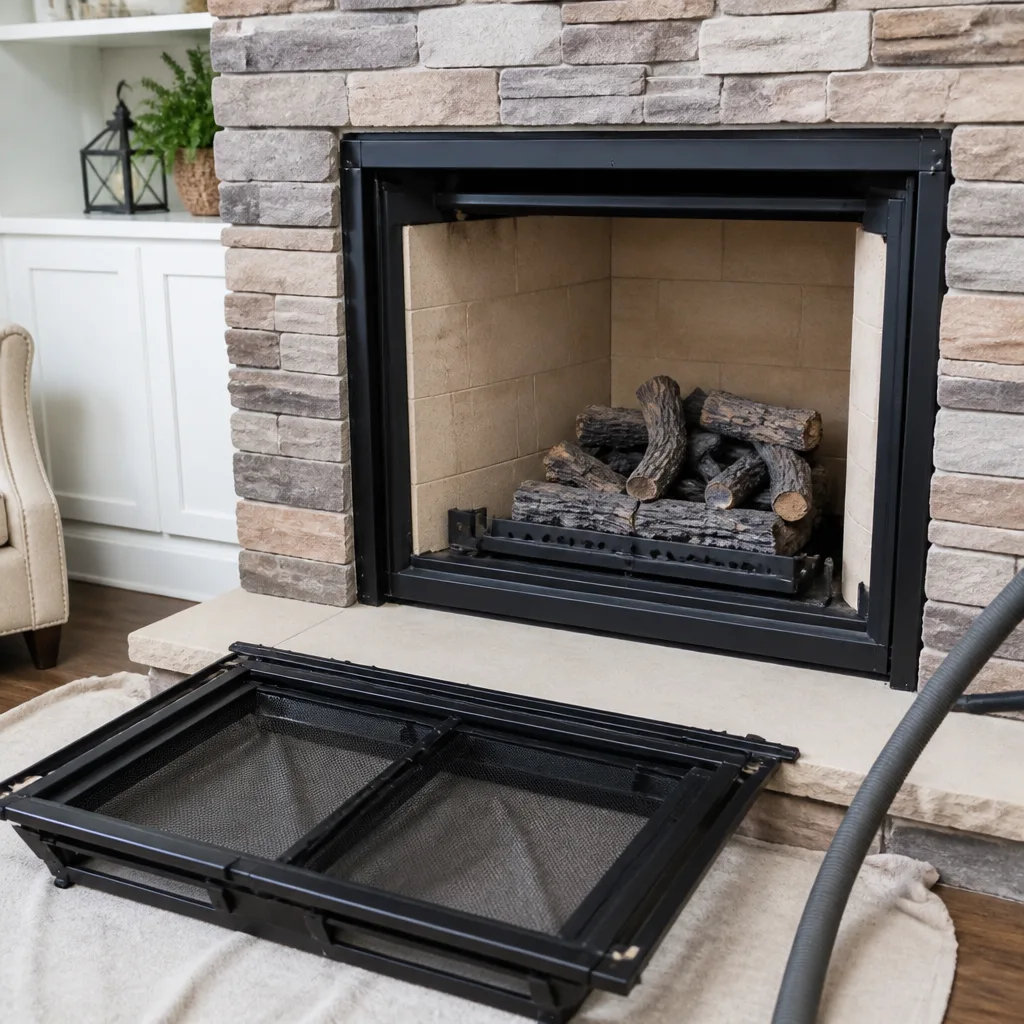 Gas fireplace service
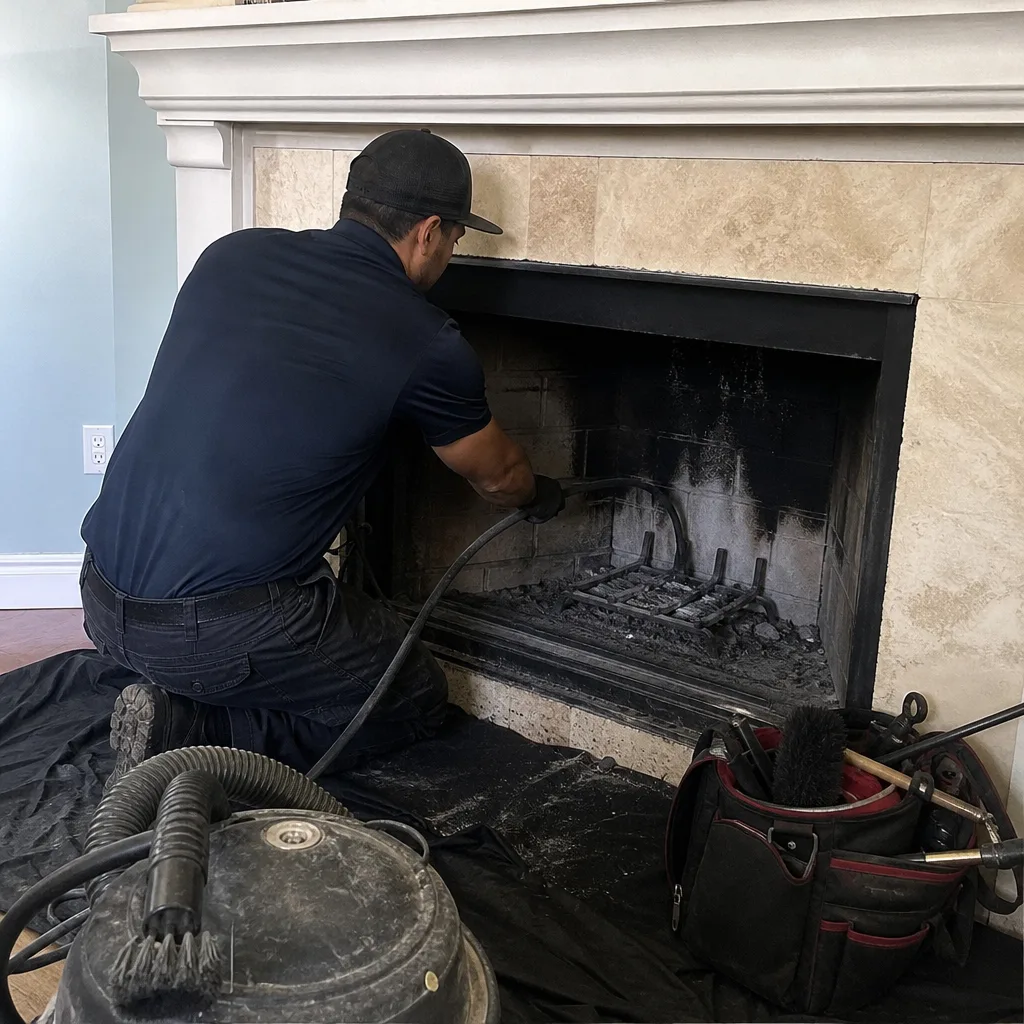
Level 1 sweep and inspection to the NFPA 211 annual standard - flue, crown, cap, and flashing checked and photographed
Chimney sweep logs do not sweep chimneys. They loosen some creosote - which then falls where a brush and vacuum still have to collect it.
Seasonal Chimney Cleaning Care for West Palm Beach: Year-Round Homeowner’s Guide
While a Chicago homeowner worries about creosote buildup from a hard winter, a West Palm Beach homeowner should worry about what seven months of 80% humidity and one category-1 storm does to an unused flue, which is often considerably more expensive to fix. The conventional wisdom about chimney care was written for cold climates where fireplaces burn all winter and rest all summer. South Florida inverts that logic entirely: your chimney takes its worst beating from April through October, precisely when most homeowners never think about it. This guide explains what West Palm Beach weather actually does to your chimney system, when to schedule service, what each season costs, and how to avoid the expensive surprises that show up the first time you light a fire in November. For Chimney Cleaning Warning Signs: A West Palm Beach Homeowner’s Reference Guide, see our companion resource.
Styles & brands we work with
Quick Answer
In West Palm Beach, the most important chimney maintenance happens during the spring and summer months, not the winter. High humidity, salt air, tropical storms, and animal nesting during the off-season cause most of the structural damage that shows up as expensive repairs later. Schedule your chimney sweep and inspection between October 15 and November 15, but close up your fireplace correctly in April and check it after every named storm or tropical depression. A standard sweep in West Palm Beach typically runs $180 to $340 before repairs, and the off-season closure steps cost nothing but attention. For a detailed look at pricing, see our Chimney Cleaning Cost Breakdown: The West Palm Beach Homeowner’s Reference for 2026.
Table of Contents
- Why South Florida’s Summer Is Harder on Your Chimney Than Winter Ever Will Be
- What Actually Happens Inside an Unused Flue From April to October
- The Post-Hurricane Inspection Protocol Every West Palm Beach Homeowner Should Know
- Why October 15 to November 15 Is the Optimal Service Window in West Palm Beach
- How to Properly Close Up a Fireplace for the West Palm Beach Summer
- Seasonal Cost Planning: What Each Service Costs and When
- Common Mistakes to Avoid
- When to Call a Professional
- Frequently Asked Questions
- The Bottom Line
Why South Florida’s Summer Is Harder on Your Chimney Than Winter Ever Will Be
Most chimney advice assumes a fireplace gets used heavily for four to six months and then rests. A West Palm Beach fireplace does the opposite: it sits idle through the brutal summer months while heat, humidity, and salt air work on every component. We’ve pulled apart chimneys in El Cid and Flamingo Park that looked clean from the outside but had crumbling mortar joints behind the crown, and the cause was almost always the same thing: months of moisture intrusion during the season when nobody was paying attention.
The numbers tell the story. Creosote, the tar-like buildup that causes chimney fires, is a winter problem for most of the country. In West Palm Beach, the real damage drivers are moisture and salt. The average relative humidity from May through September in Palm Beach County sits above 75 percent, and salt air off the Atlantic accelerates corrosion on metal components like dampers, flashing, and chase covers. When you add a tropical storm or two on top of that baseline, you get the kind of slow, compounding damage that doesn’t announce itself until you smell smoke backing into the living room in December.
Here’s what happens to each component of your chimney system during a typical South Florida summer:
- Mortar joints: Repeated cycles of absorption and evaporation cause hairline fractures that widen over time. By November, those fractures are channels for water to reach the firebox and interior wall framing.
- Metal flashing: The thin metal where the chimney meets your roof is exposed to constant thermal expansion and contraction. Salt air accelerates rust, and separated flashing lets water run straight into your attic.
- Chimney cap: An uncapped or damaged cap is an open invitation to birds, squirrels, and raccoons. In South Florida, nesting season runs from March through September, which means animals move in exactly when you’re not looking.
- Damper: A damper left open all summer lets humid air circulate through the flue and into your home. Left closed without proper ventilation, moisture gets trapped and condenses on the metal, rusting it from the inside.
The point is not to alarm you. The point is that West Palm Beach has its own chimney season, and it runs opposite to what most guides tell you. If you only think about your chimney when the first cold front hits in November, you’re already six months late.
What Actually Happens Inside an Unused Flue From April to October
An unused chimney is not a dormant chimney. It’s a humid, dark, sheltered cavity that behaves like a slow-motion chemistry experiment. Understanding what’s happening inside during the off-season changes how you think about seasonal care, because the processes at work are active, not passive.
Moisture Intrusion and Efflorescence
The most common issue we encounter in West Palm Beach homes is moisture getting into masonry that was never sealed properly or whose sealant has worn away. When water enters the brickwork and evaporates, it leaves behind salt deposits on the surface. This white, chalky staining is called efflorescence, and it’s a direct signal that water is moving through your masonry. It costs roughly $40 to $80 per square foot to clean and reseal affected areas when caught early. Left alone, efflorescence becomes spalling.
Spalling: When Bricks and Mortar Start Falling Apart
Spalling happens when moisture inside the brick expands and contracts with temperature changes, causing the surface to flake off, pop, or crumble. In the humid cycles of a West Palm Beach summer, spalling can progress quickly. Repair costs vary widely depending on how much of the chimney face is affected. Spot repairs typically run $150 to $450 for minor damage. If spalling is extensive and the chimney needs partial rebuilding, costs commonly fall between $800 and $3,000. The difference between the two price points is how early someone caught it, and early detection almost always comes down to looking at the chimney after wet weather.
Animal Entry and Nesting
South Florida has a long and active nesting season. Birds, squirrels, and raccoons look for warm, protected cavities, and an uncapped flue is essentially a prebuilt nesting box. We’ve removed nests from chimneys in Northwood and South End that filled half the flue. A bird or squirrel nest blocks proper venting and, in a worst case, catches fire when you light the first fire of the season. Removing an animal nest typically costs $150 to $350. Installing a proper chimney cap so it doesn’t happen again runs another $250 to $600, and it’s the difference between solving the problem and paying to solve it again next year.
Creosote: Still a Problem, Even Without Winter Fires
West Palm Beach doesn’t see the kind of creosote buildup that Minnesota or Michigan deal with, but that doesn’t mean the issue disappears. Wood burned at low temperatures produces creosote, and if you run a fire on those cool December and January evenings without a clean flue, any creosote already present gets hot enough to be dangerous. A creosote-related chimney fire is rare in South Florida, but rare isn’t the same as impossible, and the consequence is severe. The standard safety rule still applies: if you’ve burned wood and you smell something sharp and acrid, or you see a dark, shiny glaze inside the flue, it’s time for a sweep.
What surprises most homeowners is how quiet all of this is. Moisture damage doesn’t make noise. Animal nests sound like nothing until the animal gets stuck or the smell starts drifting down. By the time you notice a problem in November, the repair bill has already been compounding through the humid months.
The Post-Hurricane Inspection Protocol Every West Palm Beach Homeowner Should Know
Tropical storm-force winds start at 75 miles per hour, and West Palm Beach gets those conditions more often than most people remember year to year. What the wind does to a chimney is specific and predictable, and checking for those exact failure points after a storm is a skill every homeowner should have, whether or not a pro comes out.
Here’s the exterior checklist to run after any storm with sustained winds at or above 75 mph:
- Look at the cap first. The chimney cap is the metal screen and cover at the top of your flue. Wind can bend, loosen, or tear it off entirely. A bent cap is still a failure, because water can now get in at an angle. Replacement caps run $250 to $600 installed, depending on material and flue size.
- Check the chimney crown. The crown is the concrete or mortar slab at the very top of the chimney stack. Cracks in the crown are how water gets into the masonry. After a storm, look for new cracks or widened old ones. Crown repair runs $200 to $700 for sealing or minor patching. A full crown rebuild is $900 to $1,800.
- Inspect the flashing. Flashing is the metal strip where the chimney passes through the roof. High winds pull flashing away from the chimney body, and when it separates, every subsequent rainstorm pours water directly into the attic. Flashing repair in West Palm Beach typically runs $300 to $900, and this is the repair that saves the most money when caught early, because the alternative is water-damaged ceilings and framing.
- Scan for cracks in the chimney body. Wind stress on a tall masonry structure can open up vertical cracks that weren’t there before. Any new crack wider than a hairline is worth a professional look.
- Check the roof seal around the chimney base. Heavy rain driven by wind can erode the roof sealant around the chimney penetration. If the sealant is peeling or lifting, resealing costs $150 to $400.
One reality about post-storm chimney issues in West Palm Beach: damage from a named storm is often covered by homeowner’s insurance, and most policies require an inspection before paying a claim. That inspection typically goes beyond a standard sweep, because the adjuster wants documentation of storm-specific damage, not just general wear. At Chimney Inspection in West Palm Beach, we provide written condition reports with photos for exactly this purpose. Most insurance-focused inspections run $250 to $500, depending on the level of documentation required.
The key rule is to check early, not after the next rain. A displaced cap or separated flashing will do more damage every day you wait, and what starts as a $400 flashing repair becomes a $2,000 water remediation by the time the ceiling stain appears.
Why October 15 to November 15 Is the Optimal Service Window in West Palm Beach
Every chimney company in Palm Beach County is busy during the same narrow window. The first real cold front usually arrives in late October or early November, and that’s when every homeowner suddenly remembers the fireplace exists. If you schedule during that rush, you’ll wait longer and pay more, because last-minute demand drives up slot pricing across the industry.
The smart move is to book during the band between October 15 and November 15, before the rush peaks but after the worst off-season damage has already happened. Here’s why that specific window matters:
- The hurricane threat has mostly passed. The statistical peak of the Atlantic hurricane season is September 10. By mid-October, the odds of a major storm hitting Palm Beach County drop sharply. You want your inspection to happen after the seasonal weather risk, not before it.
- Animal nesting season is winding down. Most South Florida nesting activity tapers off by late September. Inspecting in mid-October means the technician sees what the animals left behind, which is when the decisions about removal and capping are most accurate.
- You’re ahead of the rush. The wave of calls starts when the first cool weekend hits, usually the last week of October or first week of November. Booking in the two weeks before that wave means faster scheduling and more flexible time slots.
- The pricing is better. Chimney companies in West Palm Beach don’t run surge pricing, but when demand spikes, the appointment calendar fills and the company has to make choices about which jobs get priority. Being on the calendar early means you get the normal rate and the normal timeline.
If you’ve already missed the window in a given year, the next best thing is to book during the summer lull for an off-season inspection, then schedule the sweep itself for early fall. An off-season inspection catches animal entry and moisture damage while it’s still small, and it puts you at the front of the line when fall appointments open up. Some companies, ours included, let you reserve your fall slot during the summer to lock in normal pricing.
For a full breakdown of what a sweep includes and what typical costs look like in this area, see our guide to Chimney Sweep in West Palm Beach.
How to Properly Close Up a Fireplace for the West Palm Beach Summer
The off-season shutdown is the cheapest and most effective chimney care you can do, because it’s mostly attention, not money. The goal is to close the system so humidity and animals stay out, while avoiding the trap of sealing it so tight that trapped moisture causes rust and masonry damage. Here’s the step-by-step protocol we recommend to every homeowner in West Palm Beach:
- Have the fireplace swept before you close it. Not after. The ash and creosote left in the firebox and flue will absorb humidity all summer and become an acidic paste that eats at the masonry. A clean firebox is the starting point, not the ending point. If you can only budget one sweep per year, make it this one, not the November one.
- Inspect the cap, or install one if it’s missing. This is the single highest-return piece of chimney hardware you can buy. A correctly sized and installed cap keeps out animals, stops most rain, and blocks wind-driven debris. If your cap is dented or torn from a previous storm, replace it before summer. In West Palm Beach’s storm environment, a cap is a wear item, not a permanent fixture.
- Close the damper, but not all the way. A damper squeezed fully shut traps humid air in the flue. A damper left fully open admits every insect and damp breeze in the neighborhood. The right position is mostly closed with a small gap, enough to let the flue breathe but not enough to invite occupants. If your damper doesn’t allow partial positioning, the better answer is a top-sealing damper, which installs at the top of the flue and runs $250 to $500 installed.
- Dehumidify the firebox. This is a West Palm Beach-specific step that cold-climate guides never mention. Place a moisture absorber, the kind sold for closets and boats, inside the firebox and change it every 4 to 6 weeks through the summer. In a climate with 75 percent average humidity, this small step prevents the damp, musty smell that so many local homeowners report when they open the fireplace in November.
- Check the firebox and damper visually at the midpoint of the season. Pick a date in early July. Open the damper, shine a flashlight up the flue, and look for anything that shouldn’t be there. Two minutes of attention in July is worth a $300 removal bill in October.
What does “just leaving it” cost you by November? In our experience across West Palm Beach, a fireplace that was properly closed in spring needs a standard sweep and a minor check before the first fire. A fireplace that was ignored for seven months typically needs animal removal, cap replacement, water staining treatment, or some combination of all three. The off-season closure costs you maybe an hour of attention and a $10 moisture absorber. The neglect path starts at $400 and goes up from there.
Seasonal Cost Planning: What Each Service Costs and When
Chimney care in West Palm Beach is not one line item. It’s a set of services whose prices shift depending on season, urgency, and the condition of your system. Planning for these costs in advance means you never have to make a financial decision in a hurry after discovering a water stain on the ceiling. Here’s what to expect by season:
| Season | Typical Service | Cost Range | Why the Timing Matters |
|---|---|---|---|
| April to May | Off-season inspection and summer shutdown prep | $120 to $300 | Catches post-winter damage early and sets up the summer closure correctly |
| June to September | Animal removal, cap repair or replacement | $150 to $600 | Nesting season drives demand for removals, but off-season availability is better |
| October to November | Standard chimney sweep and inspection | $180 to $340 | The optimal window in West Palm Beach; book before the first cold snap |
| December to March | Storm damage repair, flashing and crown work | $300 to $1,800 | Post-hurricane inspections often reveal damage needing slower, more expensive repair |
Post-hurricane inspections deserve a note of their own. After a named storm, a chimney inspection in West Palm Beach typically costs more than a standard sweep because the scope is different. The technician isn’t just checking for creosote; they’re documenting structural condition, measuring moisture levels in the masonry, photographing exposed areas, and writing a report that might need to support an insurance claim. That’s an inspection, not a cleaning, and it’s priced accordingly. Expect to pay $250 to $500 for a documented post-storm inspection versus the $180 to $340 for a standard sweep combined with a basic safety check.
The most cost-effective annual strategy for a West Palm Beach homeowner is straightforward: one spring inspection, one fall sweep, and an after-storm check whenever sustained winds pass 75 mph. Total annual budget typically runs $400 to $800 before any repair work. The most expensive strategy is skipping all of it and paying for a full masonry repair and animal remediation in December.
At Alcott Chimney West Palm Beach home, we quote every job with a written price before any work begins. No exceptions. If the scope changes during the job, you see the new number before we touch another brick. That’s the standard every homeowner in West Palm Beach should expect, and if a company won’t commit to a written price, that should tell you something.
When repairs do come up, we specify professional-grade materials by name. For liner systems, we install DuraFlex. For resurfacing and repair, we use HeatShield. For masonry treatment and waterproofing, Gelco. These are the materials chimney professionals specify on commercial jobs, not box-store substitutes. Ruben Castellano, who runs Alcott Chimney West Palm Beach, made that material standard a condition of how the shop operates from the first day, and he holds every technician to it.
Common Mistakes to Avoid
- Thinking the chimney is fine because you didn’t use it all year. In West Palm Beach, the damage happens during the months you weren’t using the fireplace. An unused chimney is exactly the one that needs a fall inspection, because nothing you did during the summer interrupted the moisture intrusion, the salt air corrosion, or the animal activity. Skipping the inspection because “we never used it” is how a small crown crack becomes a $2,000 masonry rebuild.
- Closing the damper completely tight for the summer. The intuitive move is to seal everything against humidity. The problem is that a fully sealed flue traps whatever moisture is already inside, and in a 75 percent humidity climate, that trapped moisture condenses on the metal damper and masonry. The rust and spalling that follow are worse than the humidity you were trying to keep out. Leave a small breathing gap.
- Waiting until the first cold snap to schedule. By the time the first cool weekend hits West Palm Beach, every chimney company in Palm Beach County is booked for weeks. The late schedulers pay peak rates, wait the longest, and often end up discovering in December that they need capped or repaired before the flue is safe to use. The mid-October booking window is cheap insurance against all three.
- Assuming the chimney cap from 2005 is still doing its job. South Florida’s combination of sun, salt, and storm wind means chimney caps degrade faster here than in most of the country. A cap that looks intact from the ground may have micro-tears in the mesh or a dented top that channels water into the flue. Caps are wear items, not permanent fixtures, and in West Palm Beach they should be inspected every spring.
- Ignoring white staining on the brickwork. That white, chalky deposit isn’t normal aging. It’s efflorescence, and it means water is moving through your masonry. Every month you ignore it, the water is working deeper into the structure and the eventual repair bill grows. Seal and reseal early, and that staining is a minor cosmetic issue rather than a warning sign for structural damage.
- Running a gas fireplace without ever inspecting the venting. Gas fireplaces produce different byproducts than wood, but they still vent through a flue, and that flue still gets blocked by animals, storm debris, and corrosion. A gas fireplace that burns with a blocked or damaged flue can push carbon monoxide into the living space instead of up the chimney. For gas fireplace service and repair in West Palm Beach, see our page on Gas Fireplace Repair in West Palm Beach.
- Treating the post-storm check as optional. If a named storm passes within 50 miles of West Palm Beach, the wind has been strong enough to move something on your chimney. The check takes ten minutes from the ground and can be done with a phone camera. The repair you catch in the week after the storm is a $400 flashing fix. The one you discover in January when the ceiling stain appears is a $2,000 remediation. The math is not complicated.
When to Call a Professional
Most of the seasonal care in this guide is within reach of any homeowner. But some situations call for a trained chimney technician, and they’re not always the ones people expect. Call a professional if you see white staining spread across more than a small patch of brick, if any crack in the chimney body is wider than a hairline, if you hear animals moving in the flue, if you smell a musty or ammonia odor coming from the fireplace, or if water stains appear on the ceiling around the chimney penetration. Also call if you’ve just moved into a West Palm Beach home and don’t have records of the last sweep. A flue with unknown history is an unknown risk, and the standard $180 to $340 sweep is cheap compared to finding out something is wrong by igniting it. Alcott Chimney West Palm Beach offers free estimates throughout West Palm Beach and the surrounding neighborhoods. Call (728) 203-8687 and you’ll reach a live person, not a voicemail.
Frequently Asked Questions
Most West Palm Beach homeowners should have their chimney swept once a year, ideally in the October to November window before the first fires of the season. If you burn wood more than about twice a week during the cooler months, or if you’ve had animal entry or storm damage during the summer, you may need a second sweep during the winter. The annual sweep is the baseline for safe operation, but it’s not a substitute for an inspection after major weather events. Call (728) 203-8687 to schedule an annual sweep at the normal rate before the fall rush.
A standard chimney sweep in West Palm Beach typically runs $180 to $340 before any repair work. That price includes the sweep itself and a basic safety check of the flue, cap, and damper. If the sweep reveals necessary repairs, you’ll receive a written price for those repairs before any additional work proceeds. Post-hurricane inspections cost more, usually $250 to $500, because they include more thorough documentation and moisture measurements than a standard sweep. Call (728) 203-8687 for a free estimate specific to your chimney.
In West Palm Beach, a year of skipped maintenance usually means one of three things at the following fall’s inspection: an animal nest that needs removal, water damage that has spread through the masonry, or a cap that failed during a storm and let both of the first two problems inside. The repair bill for a year of neglect commonly starts around $400 for a simple animal removal and goes up from there, heading toward $2,000 and beyond when spalling or flashing damage is involved. The annual sweep is cheaper than the cumulative cost of reactivating a neglected system. Call (728) 203-8687 to get back on schedule.
You can handle most of the summer closure steps yourself, and this guide walks through them. The one step that does require a professional is the pre-summer sweep, because cleaning creosote from a flue is not a homeowner task and doing it improperly makes the situation worse. Beyond that, the cap inspection, damper positioning, and firebox dehumidification are all within reach of a capable homeowner. If you’re not comfortable checking the cap yourself, or if you find damage during any of the closure steps, call (728) 203-8687 and we’ll handle the inspection.
Yes. The most expensive hurricane damage in West Palm Beach chimneys is the damage you can’t see from the ground. Separated flashing, cracked crowns, and dislodged caps all hide behind the roofline or on the side of the chimney that doesn’t face the street. A proper post-storm inspection includes roof-level access or a camera system that can see what the naked eye can’t. The inspection costs $250 to $500, and if you’re filing an insurance claim, the documentation is required anyway. Call (728) 203-8687 after any storm with sustained winds above 75 mph.
A chimney sweep is a cleaning service. The technician removes creosote, soot, and debris from the flue and firebox. An inspection is a diagnostic service. The technician evaluates the structural condition of the chimney, checks for moisture intrusion, verifies the cap and flashing, and documents findings. In West Palm Beach, many companies bundle a basic safety check into the sweep, but a full inspection is more thorough and more expensive. After storm events or before buying a home, the full Chimney Inspection in West Palm Beach is the service you need, not just a sweep.
The Bottom Line
West Palm Beach inverts the usual rules of chimney care. Your fireplace’s worst season is not the month you use it most, but the seven months you ignore it. Humidity, salt air, storms, and animals do more damage between April and October than a winter of fires ever could, and the homeowner who understands that truth saves thousands of dollars over the life of the home. Close the chimney correctly in spring, check it after every tropical storm, schedule your sweep between October 15 and November 15, and always get a written price before work begins. The chimney is not a mystery box. It’s a system with predictable failure points, and in West Palm Beach, predictable means preventable. For more guides & resources, visit our blog.
Written by Ruben Castellano, Owner at Alcott Chimney West Palm Beach, serving West Palm Beach since 2002.
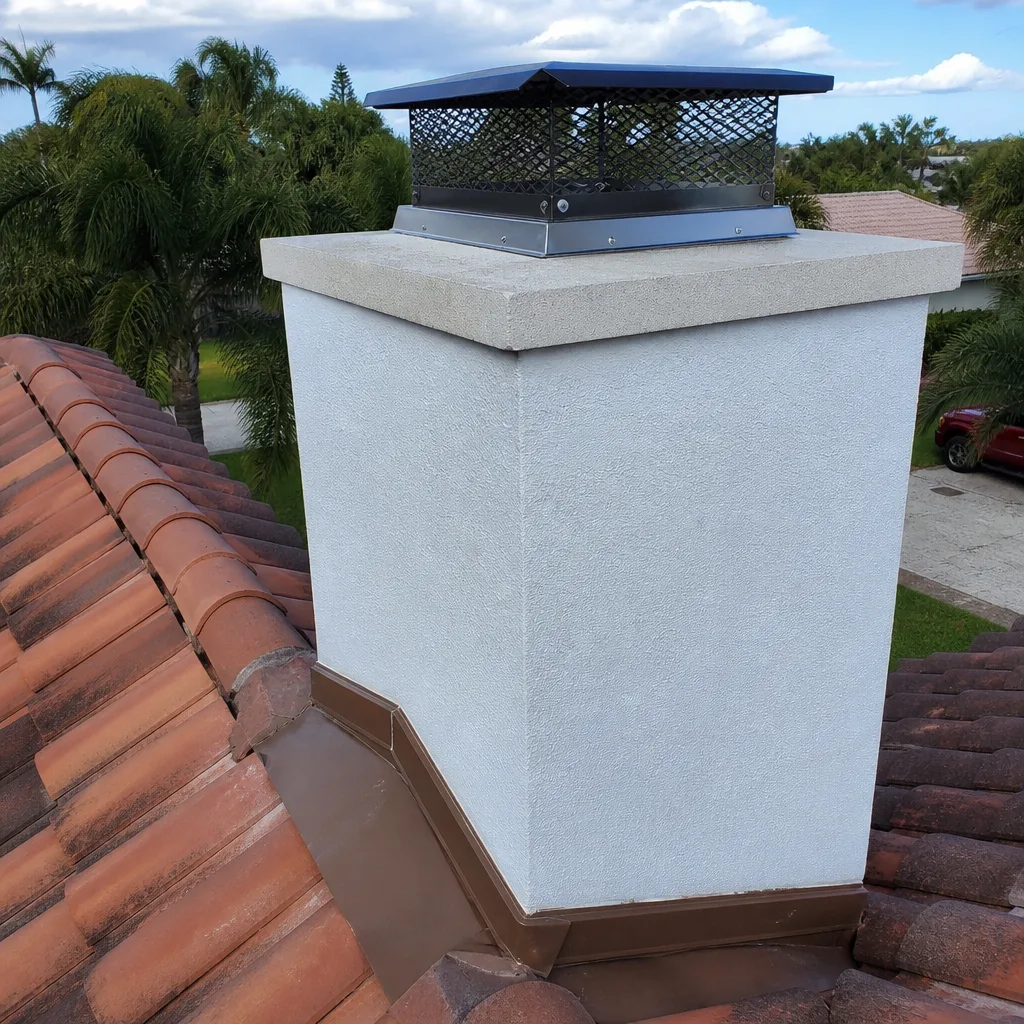
See the difference
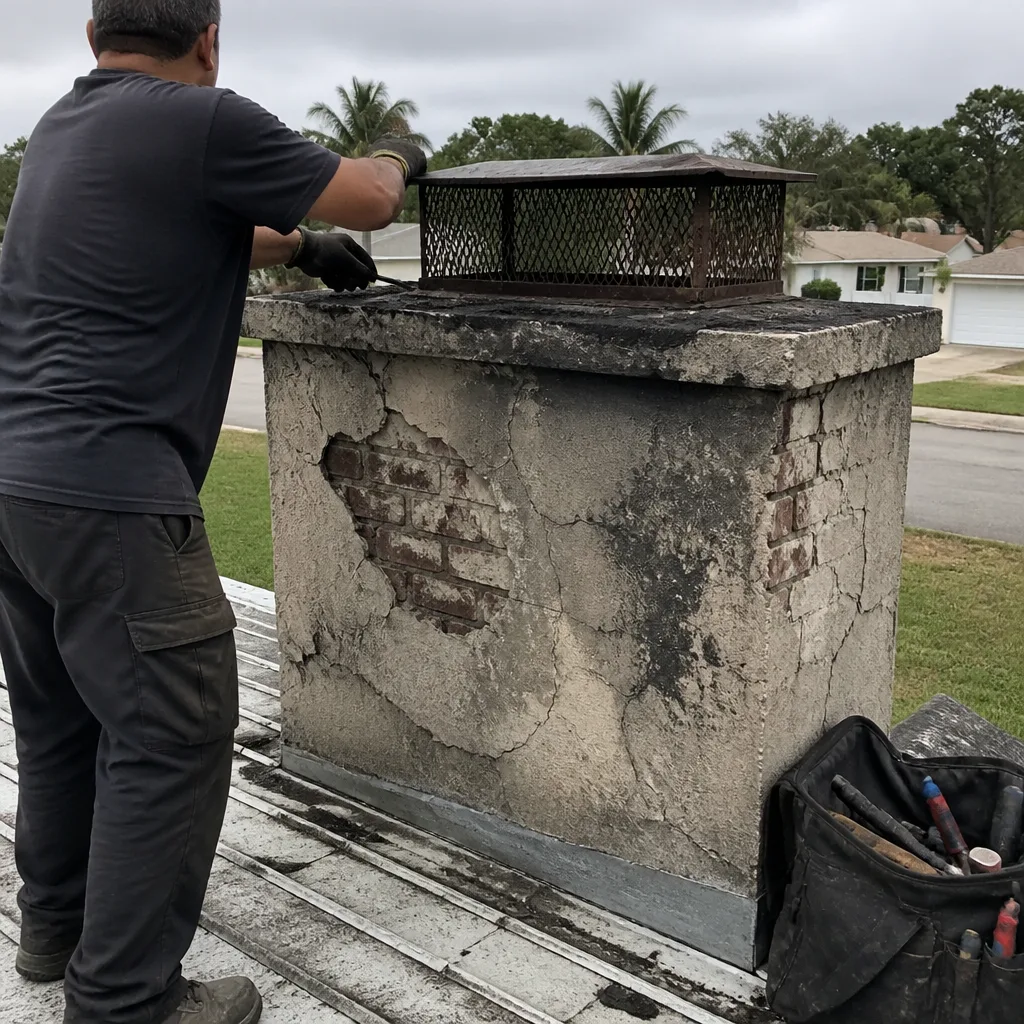 Before
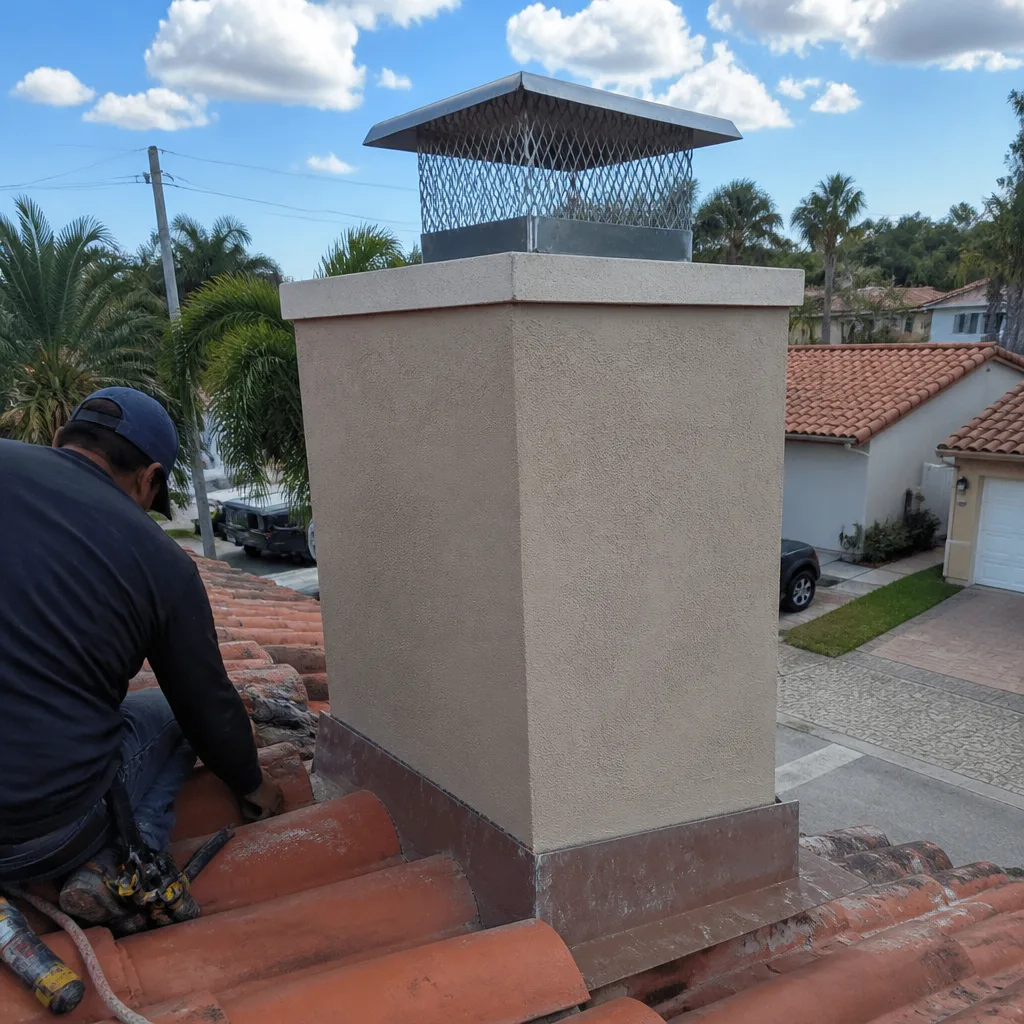 After
After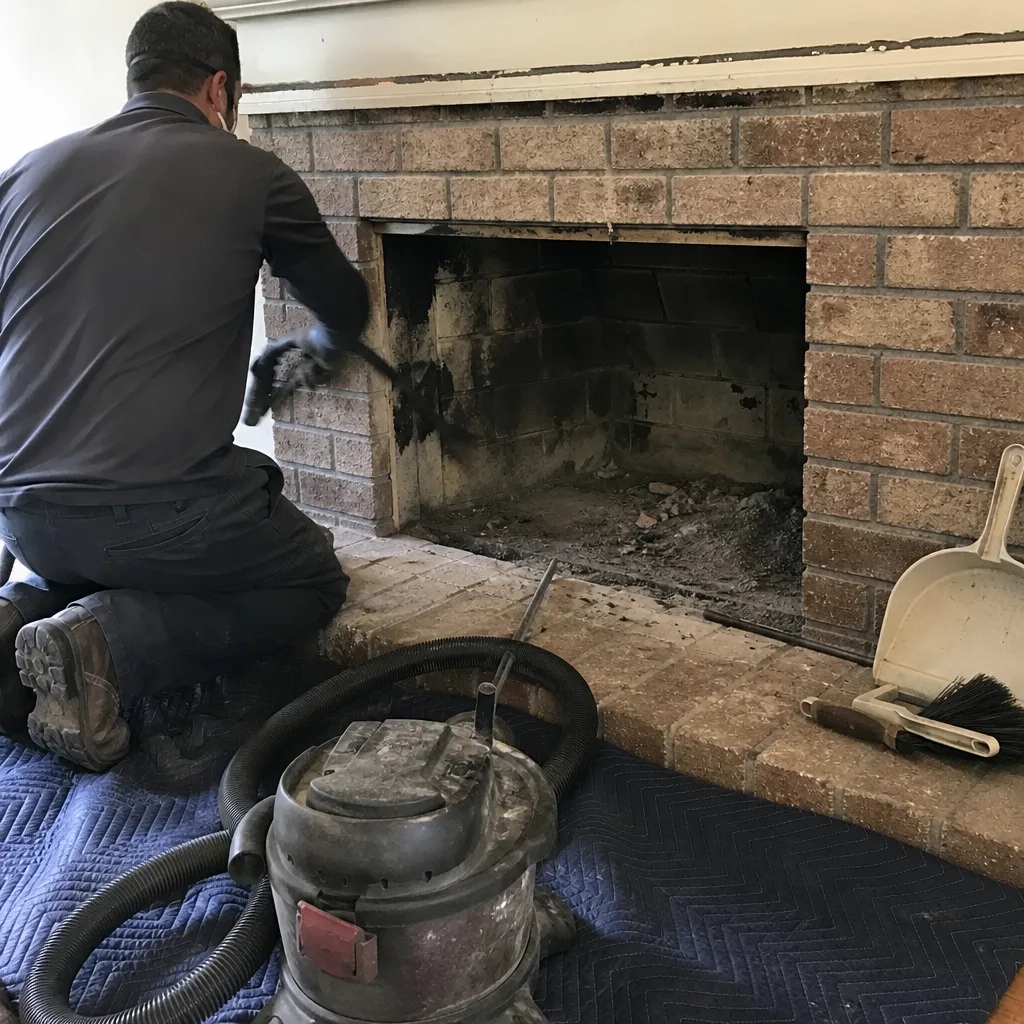 Before
 After
After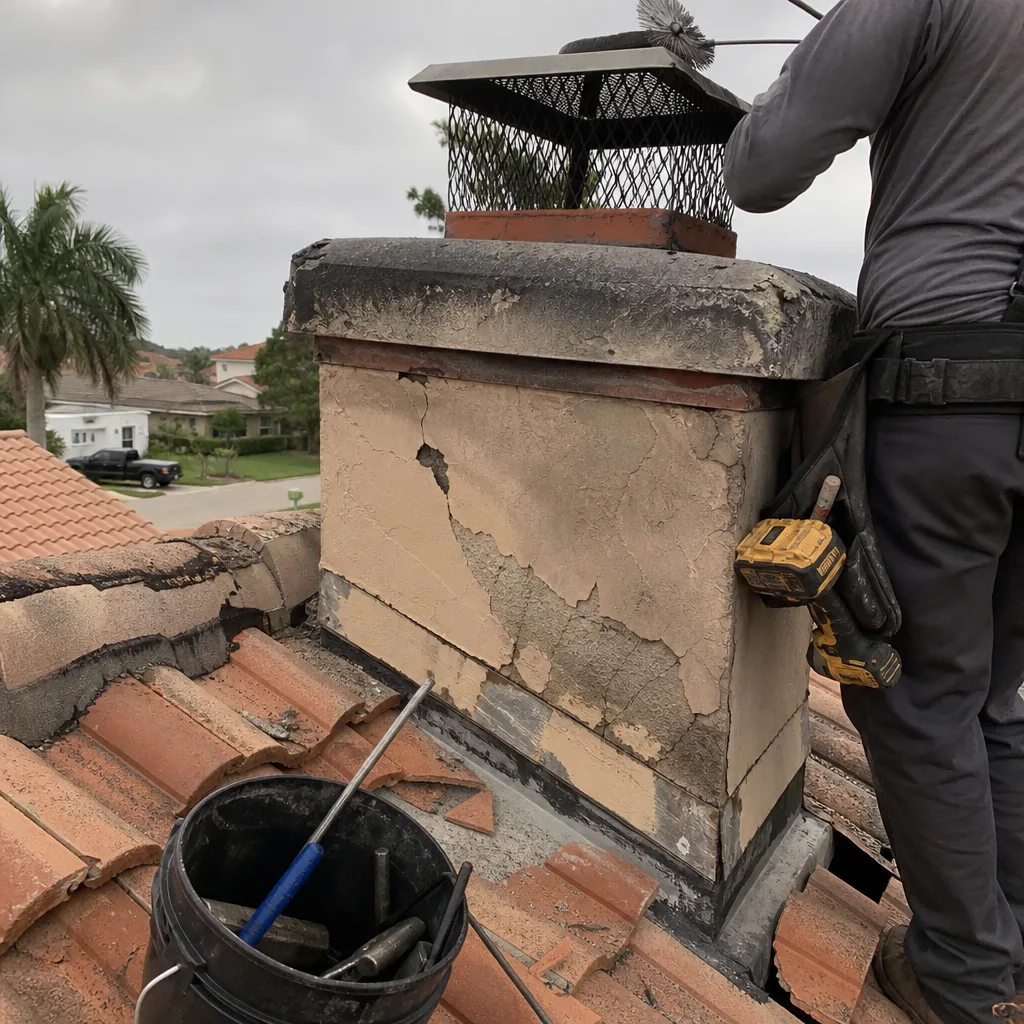 Before
 After
After