
Last updated October 15, 2026
 Sweep & inspection
 Caps & crowns
 Flue relining
 Masonry repair
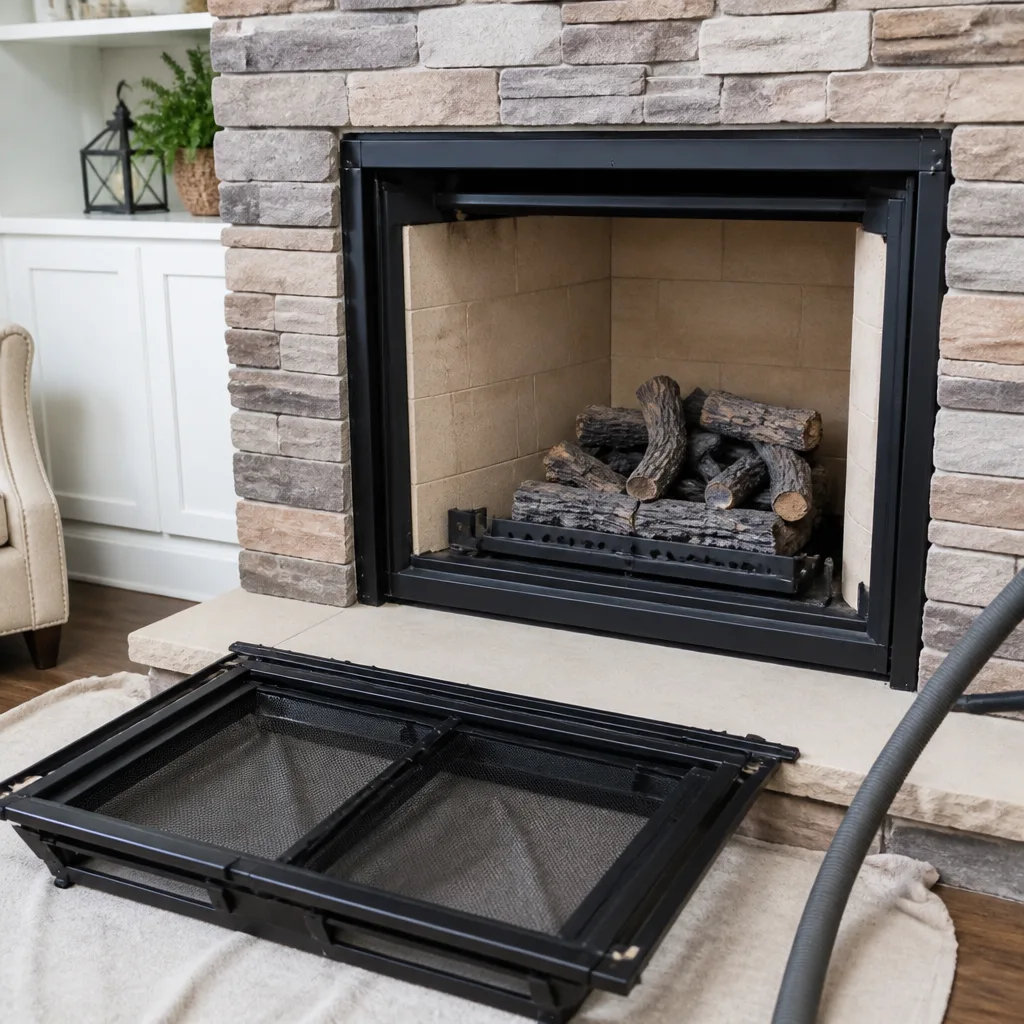 Gas fireplace service
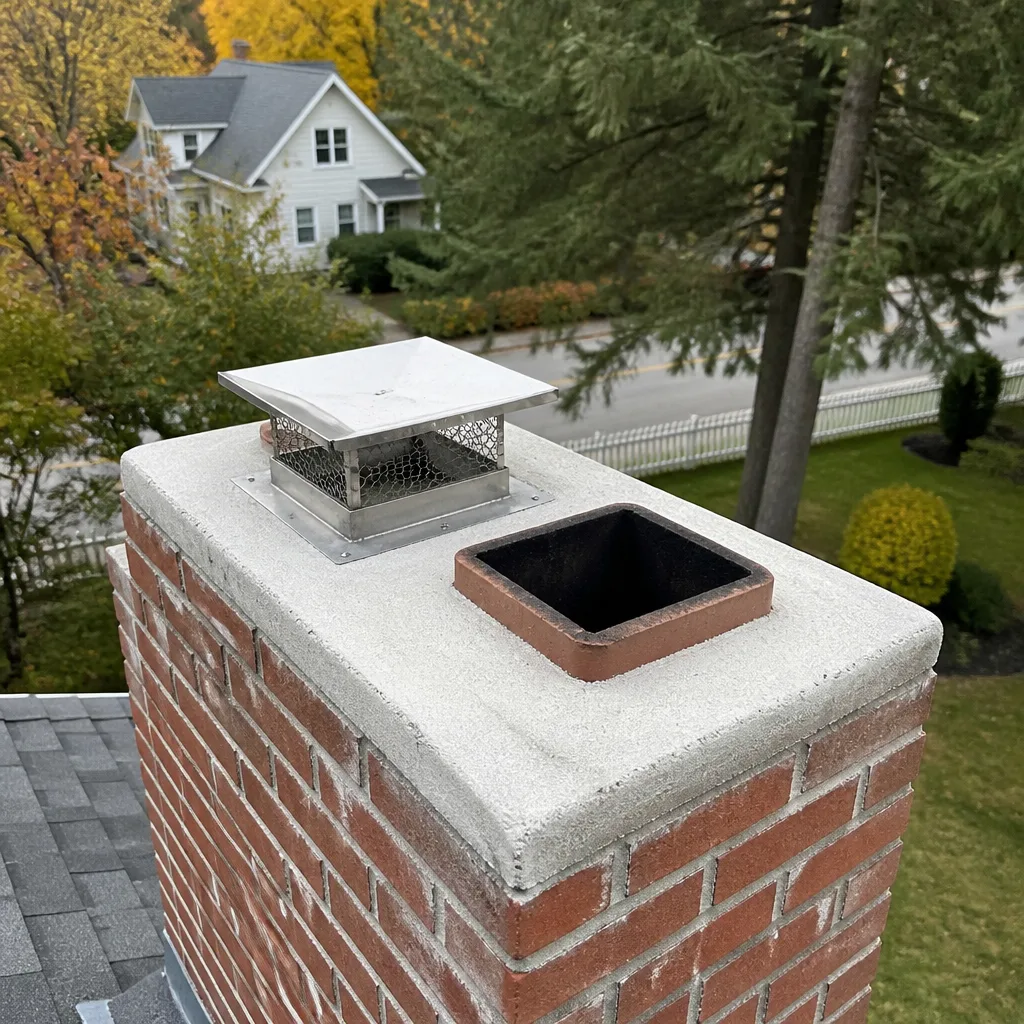
Level 1 sweep and inspection to the NFPA 211 annual standard - flue, crown, cap, and flashing checked and photographed
Chimney sweep logs do not sweep chimneys. They loosen some creosote - which then falls where a brush and vacuum still have to collect it.
Chimney Cleaning Warning Signs: A West Palm Beach Homeowner’s Reference Guide
If you’ve been blaming a musty smell in your living room on your AC system for three summers running, there’s a real chance the odor is actually your chimney’s deteriorating mortar and moisture-laden creosote, a problem your HVAC tech will never find because they’re not looking up. Here’s a number that should get your attention: rough estimates suggest that a large share of chimney fires in Florida homes involve fireplaces that were used fewer than a dozen times the previous winter. In West Palm Beach, our fireplaces are seasonal, which means problems get months to quietly develop before anyone notices. This guide teaches you to spot the warning signs accurately, including the ones our humid, salty, subtropical climate disguises as something else entirely. For more, see our more guides & resources.
Quick Answer
The most common chimney cleaning warning signs in West Palm Beach are a persistent musty or barbecue-like odor near the fireplace, visible dark creosote buildup or flaking inside the flue, rust streaks or white staining on the exterior chimney, animal activity sounds, and smoke backing into the room during cool-front season. If you smell smoke or notice animal sounds inside the chimney, stop using the fireplace immediately and schedule an inspection. A standard chimney sweep in West Palm Beach typically runs between $189 and $320 before any repairs. See our Chimney Sweep Maintenance Checklist for West Palm Beach Homeowners for what to expect.
Styles & brands we work with
Table of Contents
- The South Florida Smell Problem: Why Humidity Amplifies Creosote Odor
- Visual Signs on the Exterior That West Palm Beach Homeowners Misread as Roof Problems
- Animal Nesting Warning Signs: Raccoons, Chimney Swifts, and Roof Rats
- Why a Fireplace That “Smokes Back” Into the Room Is Often a Pressure and Seal Problem
- Cleaning Within 30 Days vs. Stop Using the Fireplace Immediately
- What Actually Happens If You Skip the Sweep
- Chimney Inspection vs. Chimney Cleaning: Understanding the Difference
- Common Mistakes to Avoid
- When to Call a Professional
- Frequently Asked Questions
The South Florida Smell Problem: Why Humidity Amplifies Creosote Odor
Northern homeowners know the creosote smell: it’s acrid, sharp, like a campfire that never fully went out. In West Palm Beach, you rarely get that clean signal. What you get instead is a heavy, musty, almost sweet odor that settles into upholstery and curtains. Homeowners describe it as “old attic smell” or “wet cardboard.” They call an HVAC company. The tech replaces the filter, checks the coils, maybe runs a dehumidifier recommendation, and the smell comes back in three weeks.
Here’s the chemistry: creosote is a tar-like combustion byproduct that builds up on flue walls every time you burn wood. In a dry climate, it sits dormant. But South Florida’s relentless humidity, routinely above 70% relative humidity from April through October, saturates that creosote. The moisture activates the volatile organic compounds trapped inside it. The result is an amplified, altered odor that reads as generic household mustiness rather than smoke. If your fireplace hasn’t been swept in two or more years, the creosote layer is thick enough to hold significant moisture, and the smell becomes a permanent feature of the room, not a passing shift in the weather.
The same humidity works on organic debris: leaves, palm frond fragments, and the decaying bodies of small animals that expired in the flue. Combine humid heat, organic decay, and moisture-laden creosote, and you get a smell that most people instinctively attribute to their AC drain pan or a slow plumbing leak. That’s why the HVAC tech’s visit never solves it.
The Two-Step Test to Confirm the Source
- Close the room off. Choose a dry, breezy day, ideally in the morning before the heat builds. Close the door to the room with the fireplace and leave the AC running as usual. Come back after 30 minutes. If the smell is stronger in the enclosed room than in the hallway, it’s originating in that space, not circulating through your vents.
- Check the fireplace itself. Kneel at the fireplace opening and take a careful sniff (do not put your head fully inside). Creosote has a distinctive tar-and-charcoral base note under the mustiness. If you also smell something faintly like damp concrete, that points to moisture intrusion through the chimney masonry, another common West Palm Beach issue we see in neighborhoods from Flamingo Park to El Cid.
If the test points toward the fireplace, call a professional. The good news: a thorough sweep removes the creosote and the odor source with it. For fireplaces where moisture has penetrated the masonry itself, the fix is more involved, but you’ll have a clear diagnosis rather than another guess.
We’ve also found this problem is worse in homes where the fireplace sits on an exterior wall. The flue gets hotter on the sun-baked west-facing side and cooler on the shaded side, which creates condensation points inside. Homes in West Palm Beach along the Intracoastal with direct south exposure tend to have the most extreme version of this smell cycle.
Visual Signs on the Exterior That West Palm Beach Homeowners Misread as Roof Problems
Walk outside and look at your chimney. Not the roofline around it, not the gutters, the chimney itself. Most West Palm Beach homeowners will do this once a year, tops, and many never look at all until a roof inspector points out “staining” in a report. Here’s what you’re actually seeing when those stains appear, and why the roofer isn’t the right person to diagnose them.
Rust Streaks Below the Chimney Cap
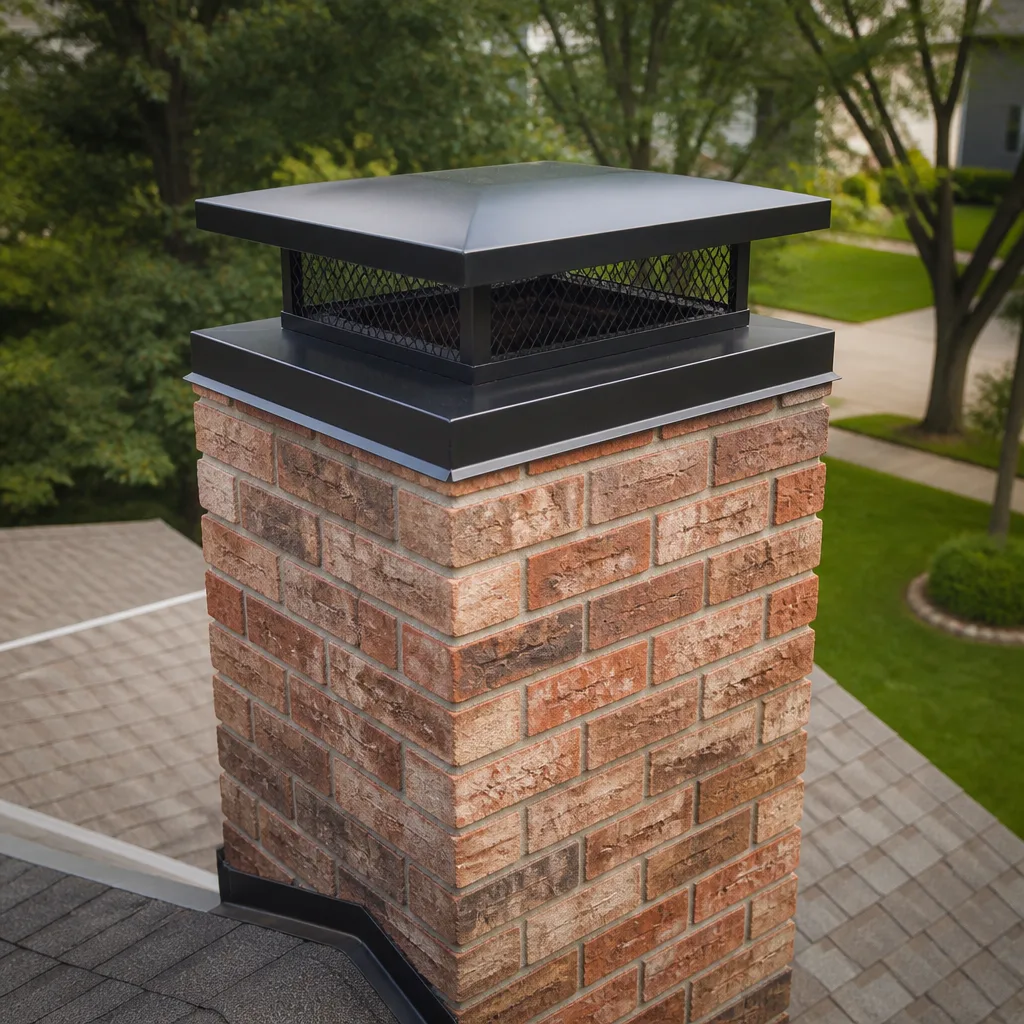
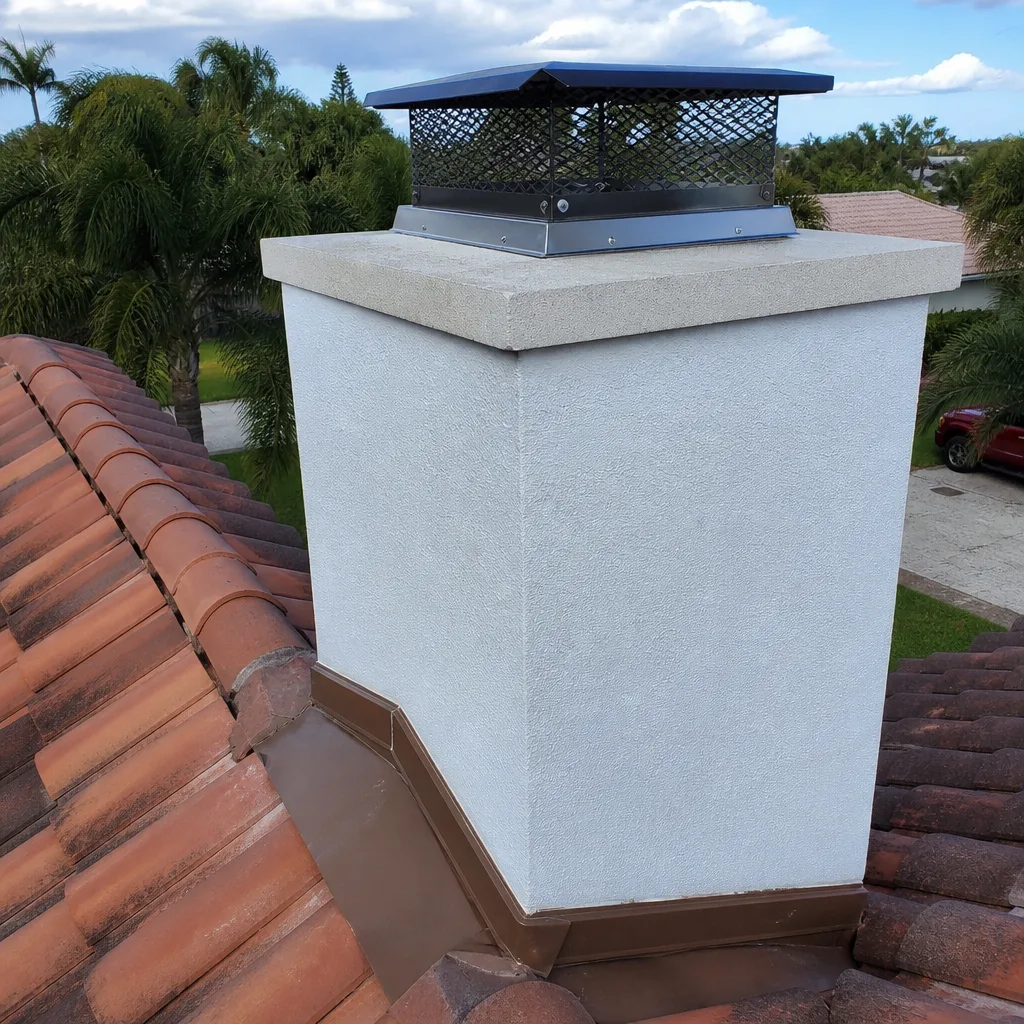
That reddish-brown staining running down the chimney chase or across the shingles just below the cap is rust, and it comes from the cap itself or the metal liner underneath it. South Florida’s salt air accelerates metal corrosion dramatically. A galvanized chimney cap that lasts 30 years in Minnesota may start rusting through in 12 to 15 years in West Palm Beach. When the cap corrodes, rain gets in. When rain gets in, the creosote inside turns into an acidic sludge that attacks mortar joints from behind. The rust streaks are the visible symptom of a problem that is quietly getting worse inside the flue.
White Efflorescence Staining
Efflorescence is that chalky white residue that looks like someone spilled powdered detergent down the side of the chimney. It appears when water soaks into the masonry, dissolves salts inside the mortar or brick, and then evaporates leaving the salt behind on the surface. This is not cosmetic. Efflorescence means water is moving through the chimney structure, and repeated cycles of wetting and drying are breaking down the mortar from the inside. In West Palm Beach, afternoon thunderstorms deliver this moisture in short, intense bursts from May through October, so the wetting-and-drying cycle repeats dozens of times per season.
Mortar Joint Recession
Mortar should sit slightly proud of or flush with the brick face. If you can hook a fingernail into the horizontal joints between bricks, or if the mortar looks like it’s been scooped out from the front, that’s recession. It happens faster in West Palm Beach than in most of the country because wind-driven rain from summer storms and the constant humidity keep the mortar soft. Recessed joints admit more water, which accelerates the cycle, which admits more water still. Left alone, the chimney becomes structurally compromised at the top, and you can start losing bricks during a tropical storm or hurricane-force gust.
The misread happens because these three symptoms, rust streaks, white staining, and crumbling mortar, all appear near the roofline, so homeowners assume it’s a shingle or flashing issue and call a roofer. The roofer may patch the flashing (which doesn’t hurt), but they don’t open up the chimney chase, and they don’t inspect the flue interior. Six months later the stains are back. If you can see any of these signs on the exterior, the correct next step is a Chimney Inspection in West Palm Beach that examines the flue interior and the masonry from cap to firebox.
Animal Nesting Warning Signs: Raccoons, Chimney Swifts, and Roof Rats
South Florida hosts three species that regularly set up inside chimneys, and each one announces itself differently. Recognizing which animal you’re dealing with matters because the response and the cleaning protocol differ. A nesting raccoon is a protected animal during certain seasons. Chimney swifts are federally protected under the Migratory Bird Treaty Act, which means you legally cannot disturb an active nest. Roof rats are invasive and need to be evicted, but the protocols for removing their nests without contaminating your home are specific.
How to Tell Them Apart by Sound and Timing
- Raccoons: You’ll hear heavy thumping, scratching, and chittering sounds, mostly at night. A raccoon is the only one of the three that produces enough weight to make a deep, heavy-booted sound on the flue tile. They’re most active between dusk and dawn. If you hear what sounds like a small animal pacing inside the chimney after 9 p.m., it’s likely a raccoon.
- Chimney swifts: You’ll hear high-pitched twittering and rapid fluttering, and you’ll see birds entering and exiting the chimney at dawn and dusk. Swifts are small and fast, and they cling to the vertical flue walls rather than perching. Their nests are tiny and made of twigs glued together with the bird’s saliva.
- Roof rats: You’ll hear light skittering and gnawing at any hour, though rats are most active at night. They don’t thump. Their sound is delicate and rapid, like a light scratching. Roof rats in West Palm Beach are astonishingly common, especially in the older neighborhoods with mature live oak canopies like Northwood and Old Northwood, where tree branches give them a highway straight to your roofline.
Other Animal-Related Warning Signs
Beyond sound, you may notice a strong ammonia smell (especially with raccoons, whose urine soaks into the flue and gets amplified by humidity), droppings at the base of the fireplace, or nesting material visible from the top of the chimney or the damper area. A sudden infestation of flies or small insects in the room with the fireplace, even when the windows are closed, often means something has died inside the flue and is decomposing.
Animal nests inside a chimney do more than block airflow. They dry out and become highly flammable. A bird’s nest or a rat’s nest positioned above the damper becomes kindling the moment you light a fire. That’s a fire hazard that no amount of luck neutralizes. If you suspect any animal activity, schedule an inspection before the next time you even think about lighting a fire. The sweep will need to remove the nest, assess any damage from urine or droppings, and confirm the flue is structurally sound before you use the fireplace again.
Why a Fireplace That “Smokes Back” Into the Room Is Often a Pressure and Seal Problem
West Palm Beach’s fireplace season is short, typically December through February, and even then it’s inconsistent. A cold front drops temperatures into the 40s for three days, you light a fire, and the room fills with smoke. The immediate assumption is that the chimney is dirty or the damper isn’t open. Sometimes that’s true. But in our experience, homes in West Palm Beach are far more likely to have a pressure or seal problem than a draft problem, and the distinction matters because it changes the repair cost from a $189 sweep to something more involved, or vice versa.
Pressure Problems
Modern Florida homes are tightly sealed for air conditioning efficiency. Double-pane windows, weather stripping, sealed attic hatches, and continuous ridge vents all reduce natural air exchange. When you light a fire, the hot air rising up the chimney creates negative pressure in the room. The room needs replacement air. If the house is sealed tightly enough, that air can’t get in through the normal gaps, so the chimney’s own exhaust gets pulled back down into the room. The fix here isn’t a sweep, it’s cracking a window near the fireplace or having a make-up air vent installed. This is a pressure problem, not a chimney dirt problem.
Seal Problems
If the damper doesn’t seat properly, or if the fireplace doors have warped, or if there are gaps between the firebox and the flue connection, the chimney can’t produce an adequate draw, and smoke finds the path of least resistance into the room. Seal problems are sneaky because they get worse when the house is closed up for AC season, and you only discover them on the one cold weekend when the fireplace matters. A proper Chimney Sweep in West Palm Beach includes a damper function check and a visual inspection of the flue connection, so the problem gets flagged before you’re standing in a smoky living room on New Year’s Eve.
What This Means for Repair Cost
If the issue is a simple pressure problem and you open a window, the fix costs nothing. If the damper needs to be replaced or reseated, you’re typically looking at $150 to $400 for parts and labor. If the flue connection has separated or the fireplace door gaskets need replacing, you’re in a similar range. These are all far less expensive than a chimney rebuild, which is what happens if a homeowner ignores the smoke-back problem for a decade and the constant smoke residue accelerates the deterioration of the firebox and throat.
The point isn’t that a dirty chimney never causes smoke-back. It’s that West Palm Beach homes are uniquely prone to the pressure and seal variants, and a proper diagnosis requires looking beyond the soot.
Cleaning Within 30 Days vs. Stop Using the Fireplace Immediately
Not every warning sign is an emergency. Confusing the two wastes money if you panic and call for an emergency visit, and creates a fire hazard if you shrug off a serious sign and light another fire. Here’s a simple decision tree we use when talking to homeowners in West Palm Beach.
Schedule a Cleaning Within 30 Days If…
- You see light to moderate creosote buildup, which appears as a thin, flaky, dark-brown coating inside the flue, visible from the fireplace opening with a flashlight.
- The musty odor is present but mild, and you haven’t used the fireplace recently enough to know when it started.
- You see slight efflorescence on the exterior brick but no structural damage and no smoke-back symptoms.
- It’s been more than two years since the last sweep, and you plan to use the fireplace during the next cool front.
- You’ve noticed a single animal visitor (like the sound of a bird inside the chimney once), and the animal appears to have left on its own. A cleaning within the month removes the nest remnants.
Stop Using the Fireplace Immediately and Call If…
- You smell smoke inside the house when the fireplace has not been used for days. This indicates a partial blockage or downdraft that is pushing stale smoke and potentially carbon monoxide into the living space. Do not wait.
- You hear active animal sounds, especially heavy thumping (raccoon) or constant scratching (rats). A live animal in the flue is a fire hazard and a health hazard. Do not try to smoke it out. That kills the animal and risks a chimney fire.
- You see dense, shiny, black creosote, often described as “glass-like” or “tar-like,” inside the flue. This is Stage 3 creosote, the most flammable form, and it cannot be removed by standard brushing. It requires chemical treatment or professional removal.
- Smoke visibly backs into the room every time you light a fire, regardless of conditions. This indicates a restriction or seal failure that needs diagnosis before the fireplace is used again.
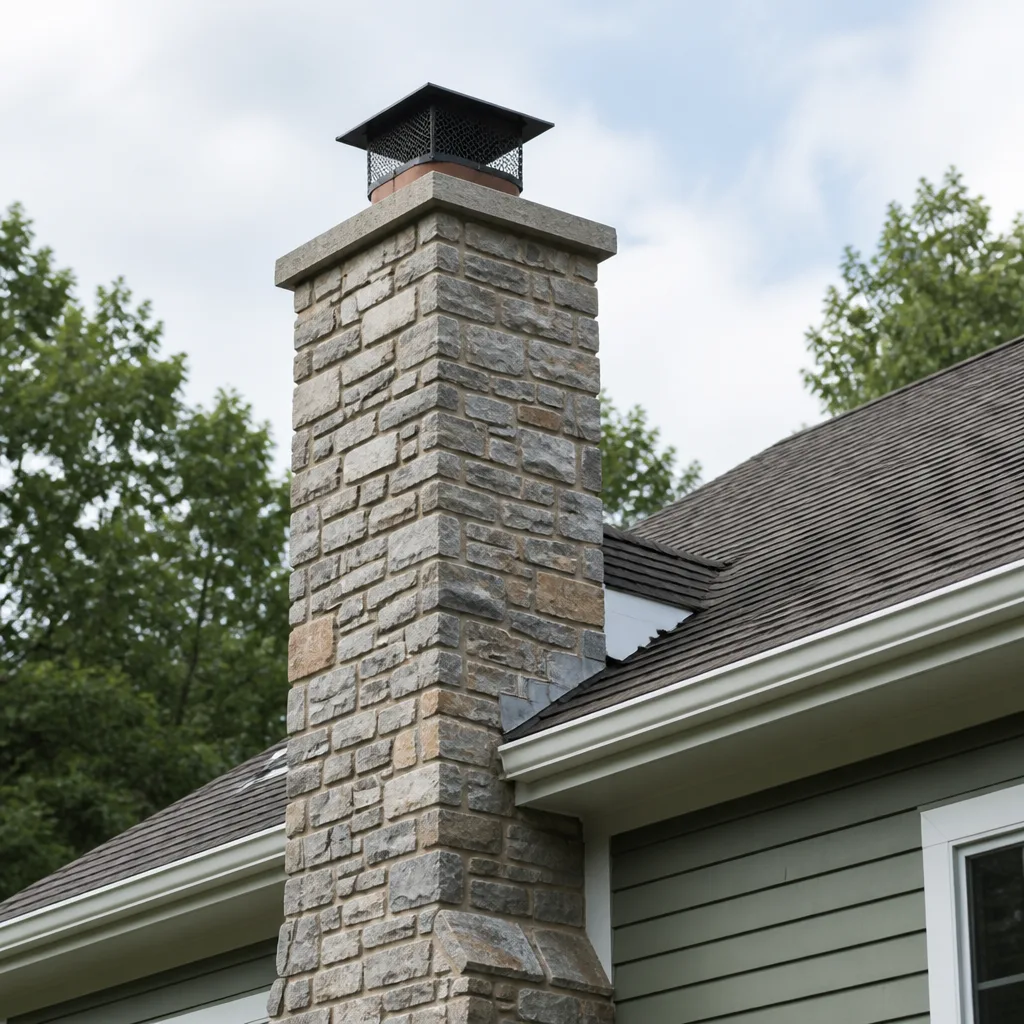
- You see significant exterior damage: missing bricks, a leaning chimney crown, a rusted-through cap. These are structural and water-intrusion failures that worsen with every storm.
If you’re not sure which category you’re in, call us and describe what you see. We’ll help you make the call honestly, even if the answer is “it can wait.” We’d rather you know than guess, and the conversation costs you nothing.
What Actually Happens If You Skip the Sweep
Here’s the plain truth about what happens when a West Palm Beach chimney goes unswept for three, five, or ten years. This isn’t scare-selling. These are the progressions we’ve actually seen in homes across the city.
Year 1 to 2: Creosote begins to build on the flue walls. The amount depends on what you burn, but even a few fires per season leave a deposit. In West Palm Beach humidity, that deposit absorbs moisture and begins to emit the musty smell described earlier. No immediate fire risk, but the odor problem has started.
Year 3 to 5: The creosote layer thickens. Moisture from summer storms interacts with the acidic creosote, and you’ll start to see mortar damage inside the flue. The chimney crown may start showing hairline cracks. Efflorescence appears more frequently on the exterior. Animal nesting becomes more likely because the chimney has been empty and quiet for so long. This is the point where a sweep plus a minor repair (like crown sealing or flashing) handles the problem completely for a few hundred dollars.
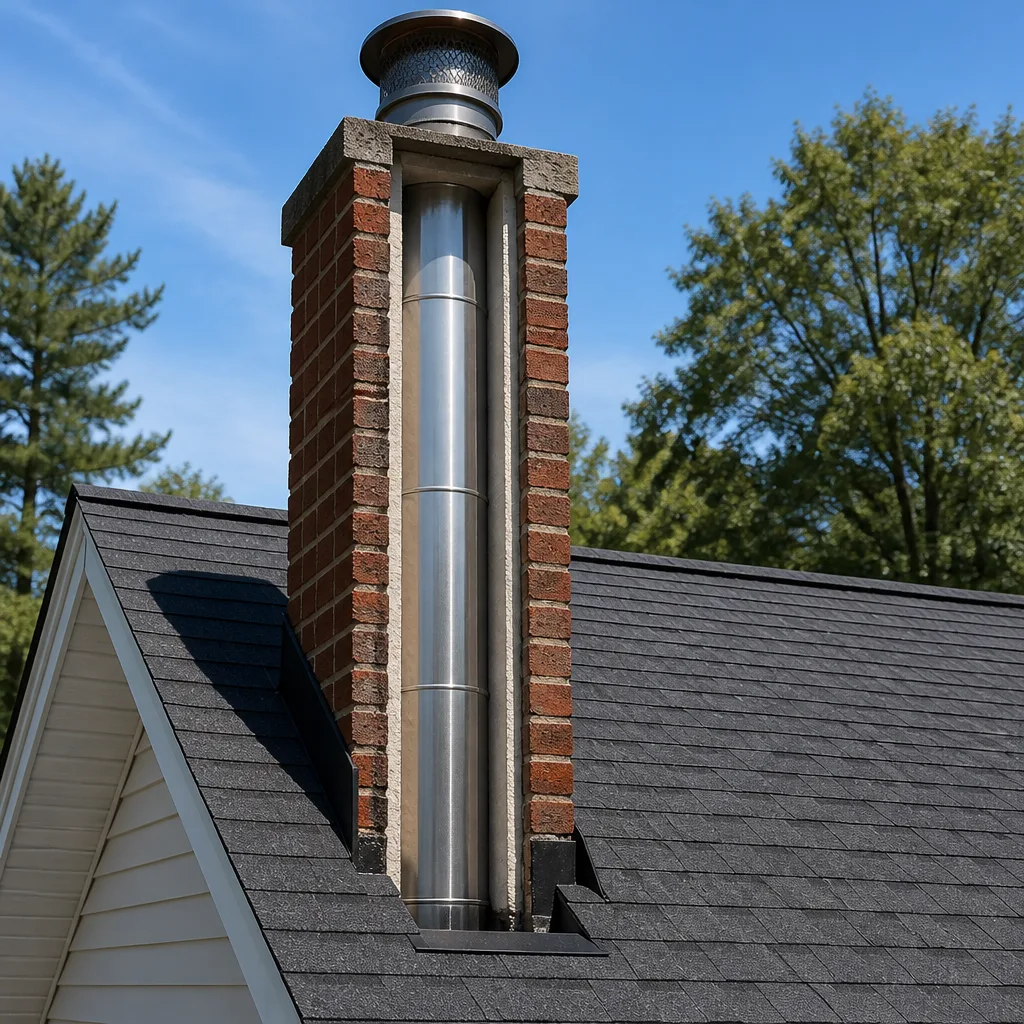
Year 5 to 10: The flue liner begins to degrade. If your chimney has a clay tile liner, the combination of heat, moisture, and creosote acids has likely cracked one or more tiles. If the cracks are minor, a product like HeatShield can resurface the liner without a full rebuild. If the cracks are extensive, you’re looking at a DuraFlex stainless steel liner installation. Both are far less expensive than the next stage. The key: at this point, a chimney fire becomes a genuine risk with every use.
Year 10+: You’re likely dealing with significant masonry deterioration, a failed chimney cap, possibly a full-thickness liner failure, and water damage to the surrounding structure. The repairs are now in the thousands of dollars, and in a worst case, the chimney may need a partial rebuild. During hurricane season, a chimney in this condition is a liability in high winds.
The financial argument for a regular sweep is simple. A standard sweep costs less than $320 in West Palm Beach. The repairs in the Year 10 scenario routinely run $3,000 to $8,000 or more. The sweep is always cheaper.
Chimney Inspection vs. Chimney Cleaning: Understanding the Difference
These two services are often confused because most companies schedule them together, but they’re not the same thing. Understanding the difference matters when a chimney company is telling you what you “need.”
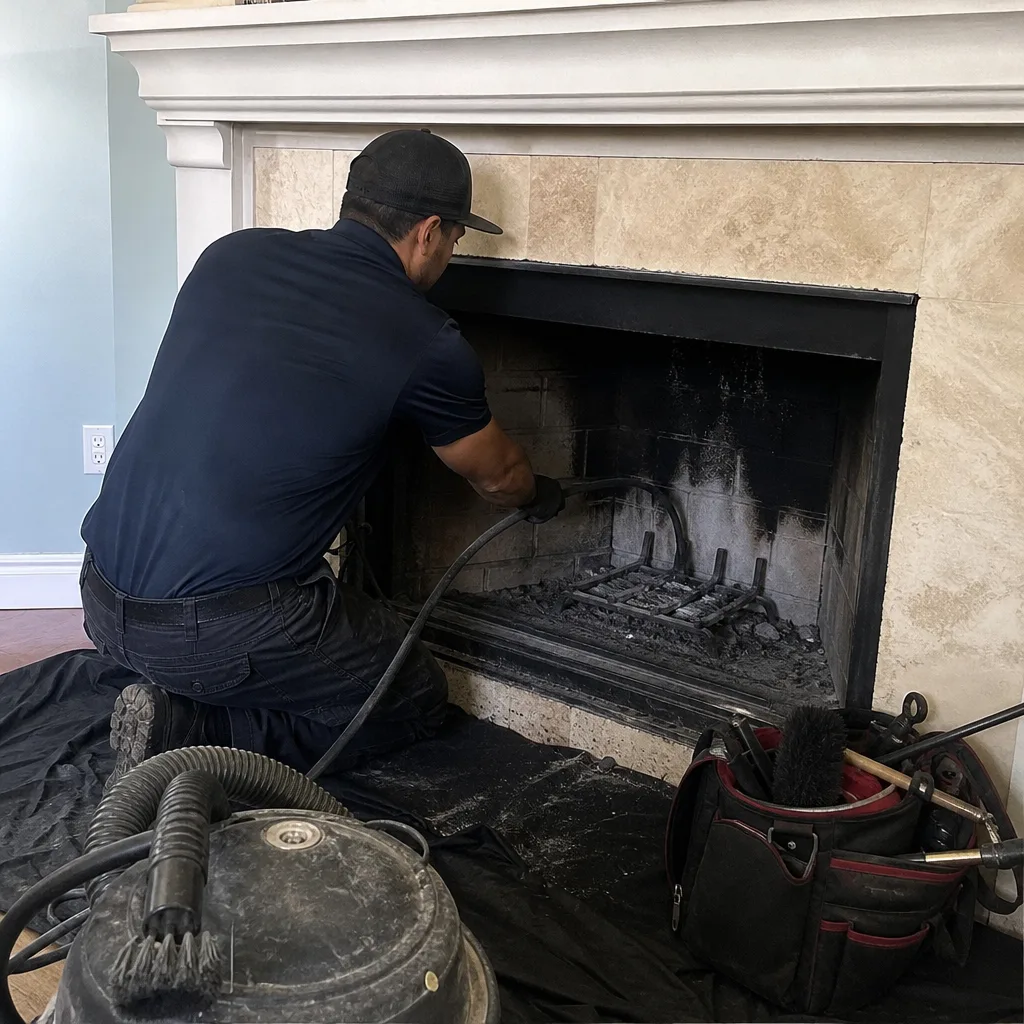
A chimney sweep is exactly what it sounds like: the removal of creosote, soot, debris, and animal nests from the flue and firebox. A standard sweep in West Palm Beach runs roughly $189 to $320, depending on the chimney’s condition and how long it’s been since the last cleaning. Not sure whether to tackle it yourself? Read our DIY vs Professional Chimney Cleaning: The West Palm Beach Homeowner’s Decision Guide. The sweep restores the flue to a burnable condition and eliminates the odor and fire-risk factors we’ve discussed.
A chimney inspection is a structural and safety evaluation. It examines the flue liner for cracks, the crown and cap for water intrusion points, the damper for proper function, the firebox for deterioration, and the exterior masonry for signs of damage. The inspection is what tells you whether the chimney needs repairs and, if so, which ones. In West Palm Beach, we recommend this local standard: a Level 1 inspection (visual, no specialized equipment) with every sweep, and a Level 2 inspection (camera inspection of the flue interior) when there’s been a chimney fire, a change in fuel source, a property transfer, or significant weather events like major storms. For a closer look at what each level includes, see our Chimney Inspection in West Palm Beach page.
The reason we’re specific about this: some companies bury the inspection cost in the sweep without doing any real inspection. You pay for a “sweep and inspection” and get a brushing and a glance. At Alcott Chimney West Palm Beach, every sweep includes a visual assessment of the firebox, damper, cap, and accessible flue sections, and we document what we find in plain language. If we recommend a Level 2 camera inspection, it’s because something specific triggered the recommendation, not because we’re upselling.
Common Mistakes to Avoid
- Trusting a smell test to determine if the chimney is safe. Creosote does not have to smell strong to be a fire hazard. A flue can hold dangerous creosote buildup with almost no odor, especially in a dry winter stretch. The only way to know is to look, which means a professional inspection.
- Assuming a new home doesn’t need a sweep. In West Palm Beach, buyers often close on homes with fireplaces that haven’t been used in years, and the sellers are not obligated to sweep. A pre-purchase home inspection typically checks the chimney visually from the roof, but visual checks miss interior flue cracks and hidden creosote. If you bought your home within the last year and haven’t had the chimney inspected independently, schedule it.
- Lighting a fire to “burn off” the creosote. This is the single most dangerous misconception in the industry. Burning a hot fire to clean creosote sometimes works for a very light Stage 1 powder, but for anything beyond that, you are risking a chimney fire. Chimney fires burn at 2,000°F or more, and in West Palm Beach’s wood-framed older homes, they can spread to the structure in minutes. Never attempt to burn off creosote.
- Calling a roofer for chimney problems. We covered this earlier, but it bears repeating: roofers fix roofs. Chimney technicians fix chimneys. The professions overlap only in the flashing, which is its own issue. If the problem is on the chimney structure or inside the flue, a roofer will diagnose it incorrectly and charge you for a fix that doesn’t address the actual problem.
- Ignoring the fireplace because you live in Florida and barely use it. The inactivity is the problem. An unused West Palm Beach chimney is a dark, humid, protected space that attracts animals and accumulates debris. By the time a cold front arrives and you want that one fire, the chimney has been neglected for 11 months and may not be safe to use.
- Waiting until you’re selling the house to deal with the chimney. Buyers in West Palm Beach are increasingly asking for independent chimney inspections, especially on older homes with masonry chimneys. A neglected chimney that surfaces as an inspection item during escrow costs more to fix in a hurry than it would have cost to maintain, and it can delay closing while repairs are scheduled.
When to Call a Professional
Call a professional if you notice any of the following: a persistent musty or smoky odor you can’t trace to another source, signs of animal activity (sounds, droppings, nesting material), smoke backing into the room during use, visible exterior damage (rust streaks, efflorescence, missing mortar), any sign of active creosote buildup, or if it’s simply been more than two years since the last sweep and you want to use the fireplace this season. Don’t wait for a problem to become obvious. By the time the warning sign is visible from the couch, the damage is usually advanced. Alcott Chimney West Palm Beach offers free estimates in West Palm Beach, and the person who answers the phone is a real person, any hour of the day or night. Call (728) 203-8687. You’ll get a straight answer about what’s going on and what it costs to fix, before any work is scheduled.
Frequently Asked Questions
A standard chimney sweep in West Palm Beach typically costs between $189 and $320, depending on the chimney’s condition, the amount of buildup, and how long it’s been since the last cleaning.
If animals have nested inside, or if the creosote has reached Stage 3 (glossy, tar-like), the cost increases because the work takes longer and requires specialized methods. At Alcott, every job includes a written price before we start, so the number you’re quoted is the number you pay. There’s no surprise add-on at the end. Call (728) 203-8687 for an exact quote covering your specific chimney.
You may not need one, and anyone who tells you that you do without showing you the evidence is not acting in your interest.
A liner is required when the existing clay tile liner has cracked or separated, which creates a fire and carbon monoxide risk, or when the chimney was built without a liner and you’re using the fireplace regularly. In West Palm Beach, salt air and humidity accelerate liner degradation, so failures are more common here than in drier climates. The way to know for certain is a Level 2 camera inspection, where the technician shows you the crack on a monitor in real time. No camera evidence, no approval.
If the liner does need attention, Alcott installs professional-grade liner systems like DuraFlex, which are specified by chimney professionals nationwide. The alternative liners sold at big-box stores are thinner, less durable, and not warrantied for the same service life. The decision to replace a liner should be based on visible damage, not on a salesperson’s word. Call (728) 203-8687 to schedule a camera inspection and see the evidence for yourself.
The industry standard is once per year or every 50 to 60 fires, whichever comes first.
But West Palm Beach’s climate changes the math in two ways. First, because our season is short, even a year of light use may represent a disproportionate amount of creosote if you’re burning green wood or manufactured logs. Second, because our humidity is extreme, an unused chimney accumulates organic debris, animal activity, and moisture-related damage faster than a dry-climate chimney does. We recommend an annual sweep timed for late fall or early winter, before cool-front season begins. That way you’re lighting the first fire of the season in a clean flue, and the inspection catches any water damage from the summer storms while it’s still minor.
If you skip the sweep, the creosote continues to build, which increases the fire risk with every additional use; moisture from summer humidity continues to saturate the deposit, which amplifies the musty odor; and animals continue to find the chimney a convenient nesting spot during the long idle season.
Eventually, one of three things happens: you light a fire and the creosote ignites, causing a chimney fire that can spread into the house; the liner cracks and you’re suddenly looking at a $3,000 to $8,000 repair instead of a $200 sweep; or the odor becomes so persistent that you stop using the fireplace entirely. In every scenario, the skipped sweep costs you more than the sweep would have. Call (728) 203-8687 if you’re unsure whether your chimney needs attention. The phone call is free.
The Threshold Standard is the background-check and identity-verification protocol that every Alcott Chimney West Palm Beach technician must pass before ever stepping onto a customer’s property.
It matters because a chimney technician works inside your home, often when you’re home alone or when your children are present. Before our technician arrives, you’ll know their name and see their photo, and when they ring your doorbell, they’ll be wearing a photo ID badge that matches. No exceptions. This is the standard our company has operated under since 2002, and it’s the single most effective thing we do to earn trust before the truck even pulls into the driveway. If a chimney company can’t tell you the name of the technician who’s coming to your house before you open the door, ask yourself why not.
You can, but for most homeowners in West Palm Beach, it’s not worth it.
DIY chimney sweeping kits have real limitations: they don’t remove Stage 2 or Stage 3 creosote, they can’t inspect the flue for cracks, and they don’t address animal nests or structural issues. If the chimney has a serious creosote buildup or an animal nest, you’ll spend an afternoon making a mess and end up calling a professional anyway. More importantly, climbing onto a roof in West Palm Beach, especially during the rainy season when tiles are slick with algae and moss, carries its own significant safety risk. A trained chimney technician has the tools, the training, and the physical access equipment to do the job safely. Alcott covers chimney sweeping, chimney inspection, and Gas Fireplace Repair in West Palm Beach, and every job starts with a written estimate. Call (728) 203-8687 and let a professional handle the danger. It’s genuinely safer than doing it yourself.
The Bottom Line
Chimney warning signs in West Palm Beach are not the same as the warning signs elsewhere. Our humid climate turns creosote into a stealth problem that smells like an HVAC issue. Our salt air rusts caps and attacks mortar faster than the national average. Our animal population, raccoons, chimney swifts, and roof rats, takes full advantage of an idle flue. The signs are there if you know what to look for, and ignoring them converts a $200 sweep into a $5,000 repair sooner than you’d think. If something on this page sounded familiar, call us. We’ll send a technician you know by name and photo, give you a written price before any work starts, and put a written guarantee on every repair. That’s how we’ve done it at Alcott Chimney West Palm Beach home since 2002. Call (728) 203-8687 and get the answer from someone who actually looks up.
Written by Ruben Castellano, Owner at Alcott Chimney West Palm Beach, serving West Palm Beach since 2002.
See the difference
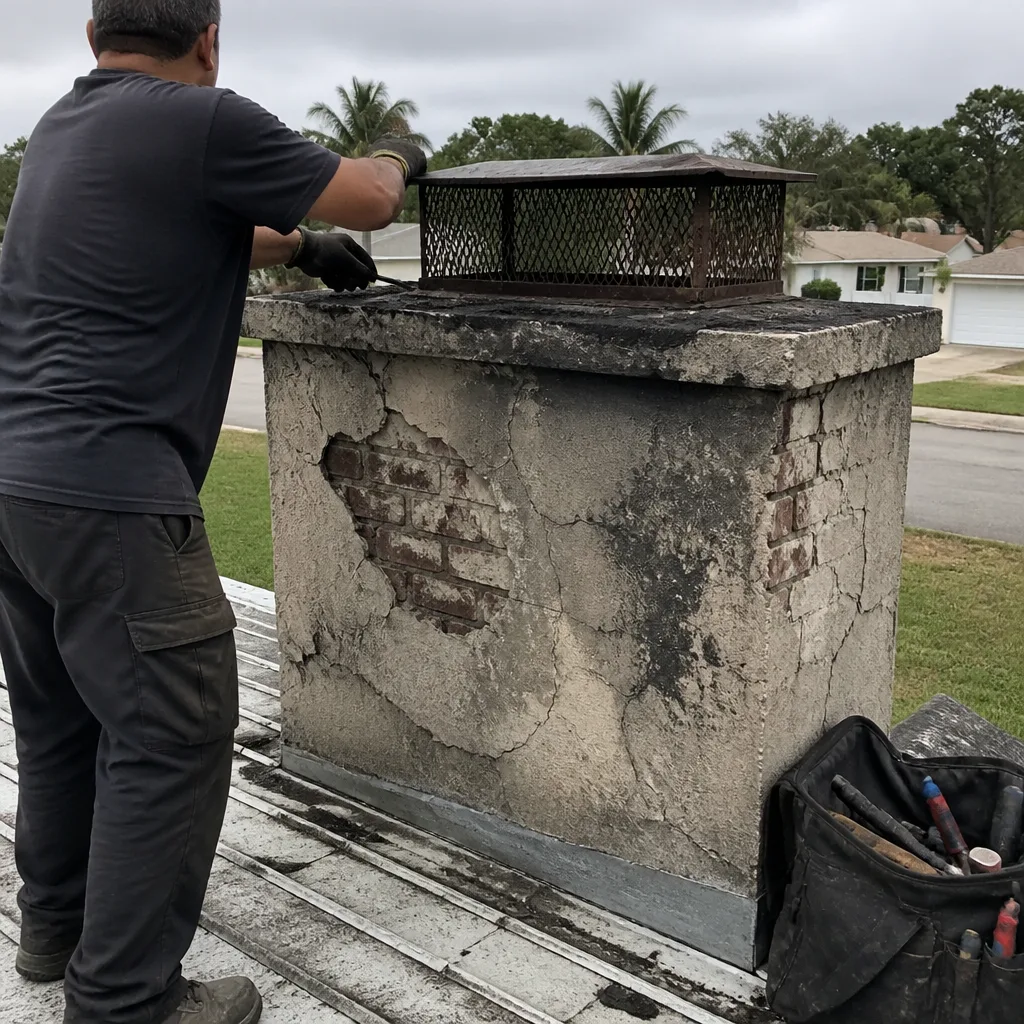 Before
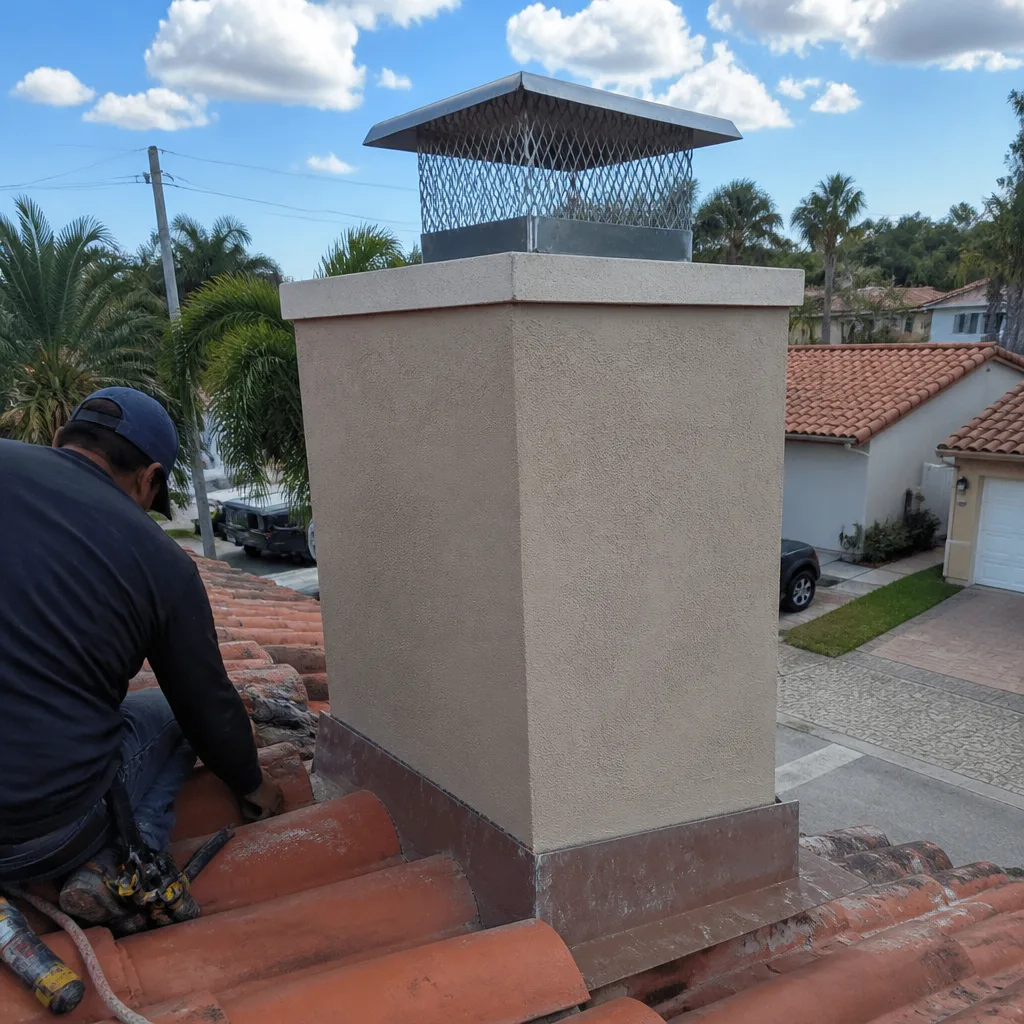 After
After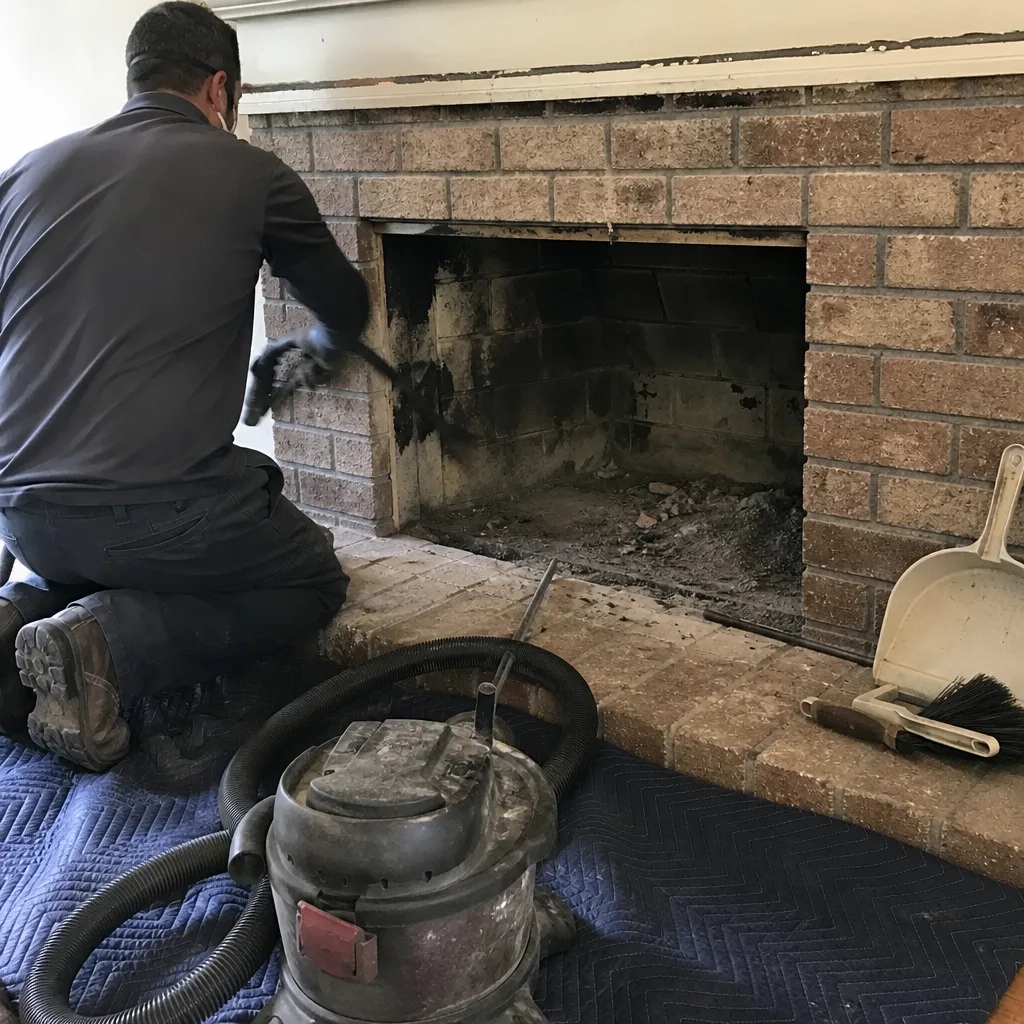 Before
 After
After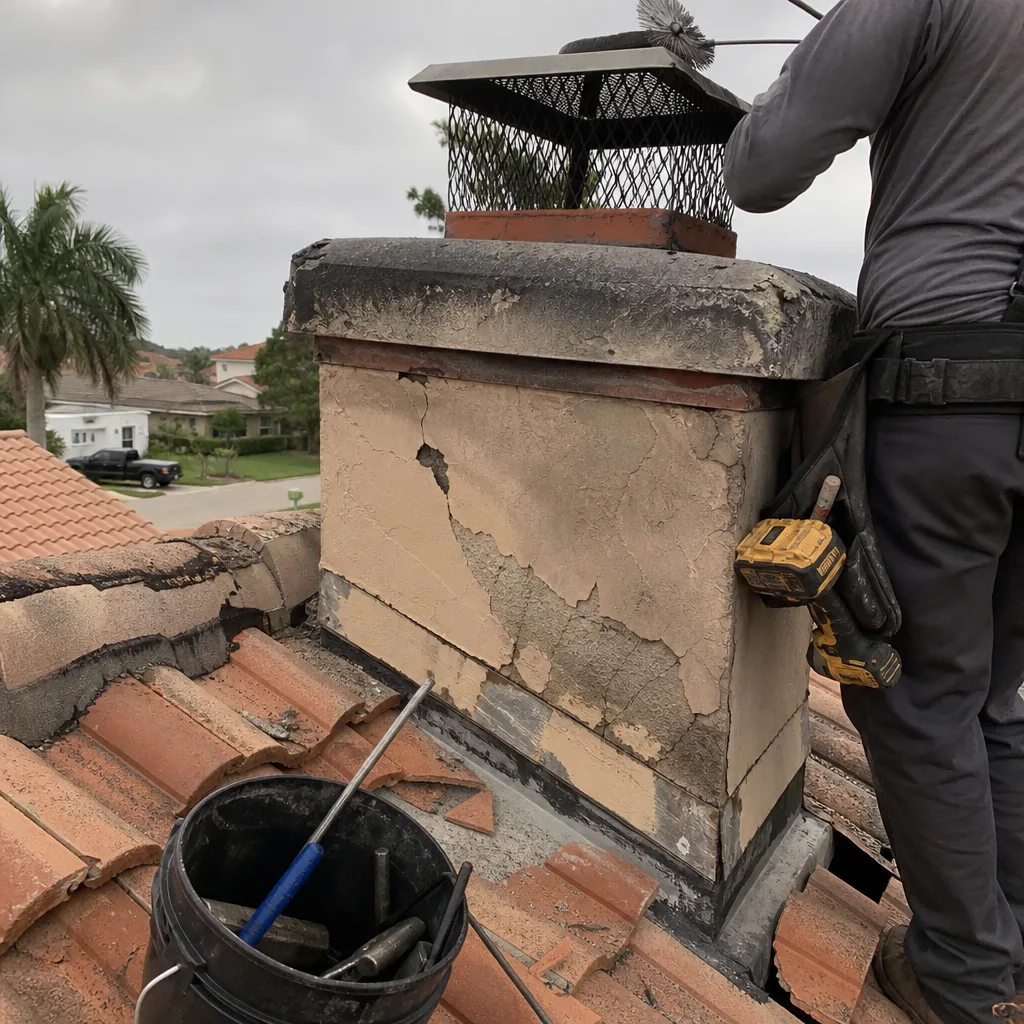 Before
 After
After